
Plant
Licorice Fern
Polypodium glycyrrhizaAlso known as Many-Footed Fern, Sweet Root
Licorice fern unfurls rich green fronds from moss-draped tree trunks and moist rock faces throughout the Pacific Northwest. Uniquely adapted to the coastal climate, it goes dormant and drops its leaves during dry summer months before springing back to life with the arrival of autumn rains. Indigenous peoples historically used its sweet, licorice-flavored rhizomes as a natural sweetener and traditional remedy for coughs.
EpiphyticNative PlantPerennial
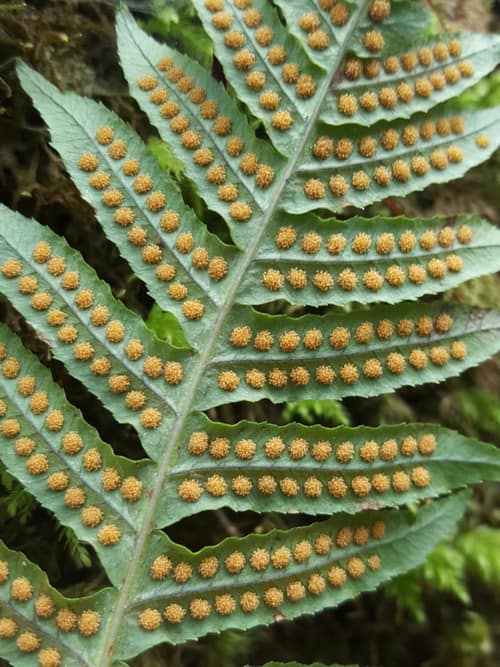
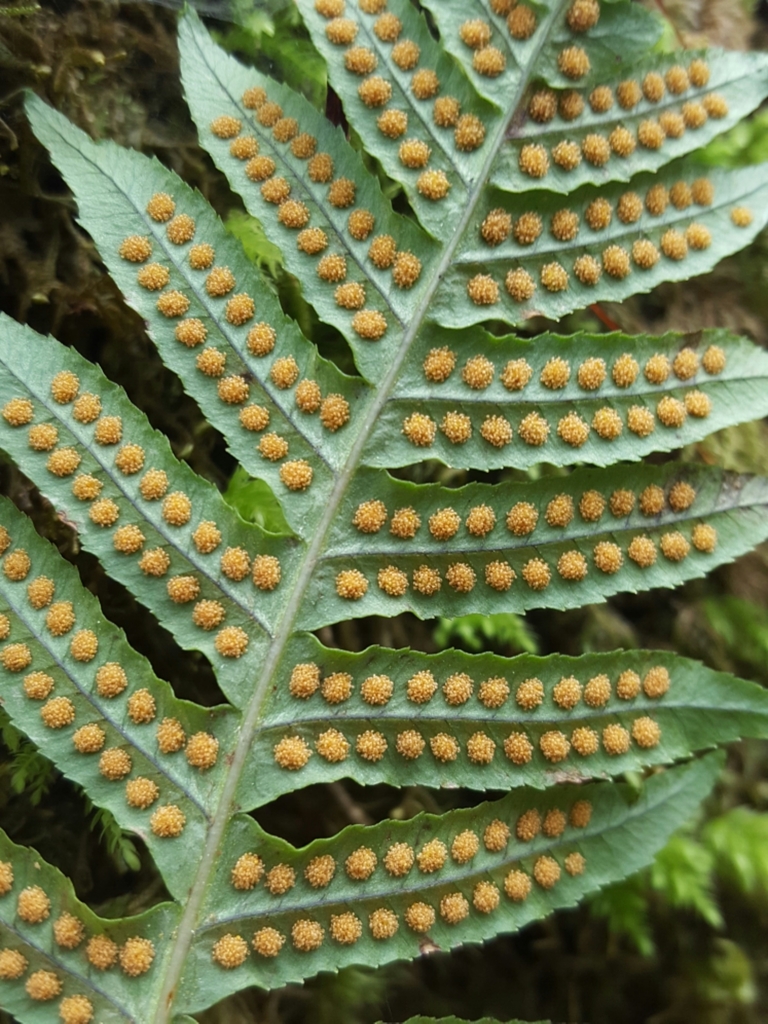
—observations
—countries
—peak records
Least ConcernConservation statusIUCN Red List categoriesLCNTVUENCREWEXLeast ConcernRed List categories, explained →
Diet & preyAutotrophic (Photosynthetic)
Predators
- Slugs
- Snails
- Mule Deer
ThreatsDeforestation, Habitat Fragmentation, Severe Drought
HabitatsTemperate Rainforests, Mossy Tree Trunks, Wet Ravines, Shaded Rock Outcrops
Life spanPerennial (decades via spreading rhizomes)
Classification
- FamilyPolypodiaceae
- SpeciesPolypodium glycyrrhiza
Range data is not available yet.
Interaction riskLow
- Low
- Moderate
- High
- Very high
- Why interaction risk is low
- Safe to observe at a normal distance.
Responsible observation
- Finding them: Look up into the mossy canopy of bigleaf maples in wet Pacific Northwest forests during autumn and winter.
- Seasonal timing: Expect fronds to dry up and die back during hot summer months, returning refreshed after early autumn rain.
- Respecting moss mats: Avoid pulling fronds or disturbing the fragile moss beds on trunks where these ferns anchor.
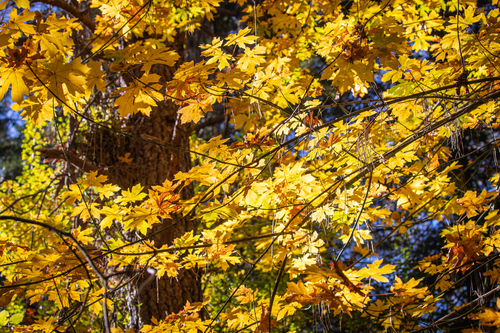
Host Plant (c) Bureau of Land Management Oregon and Washington, some rights reserved (CC BY) · cc-by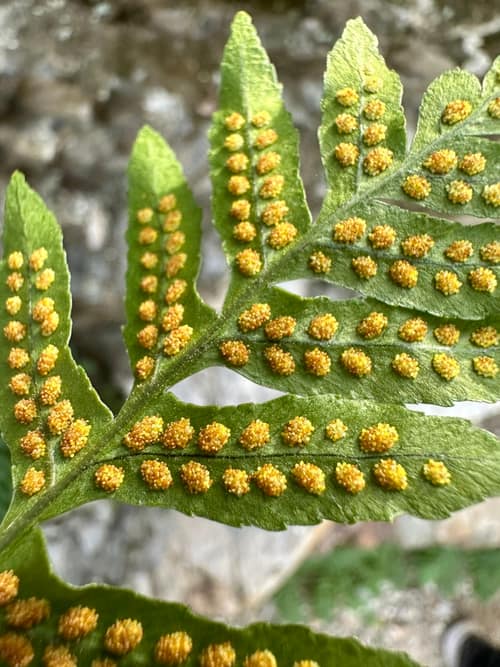
Close Relative (c) Roberto Daniel Avila, some rights reserved (CC BY), uploaded by Roberto Daniel Avila · cc-by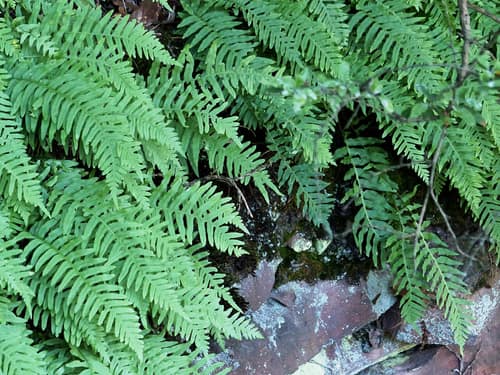
Close Relative Michael Linnenbach / CC BY-SA 4.0 · cc-by-sa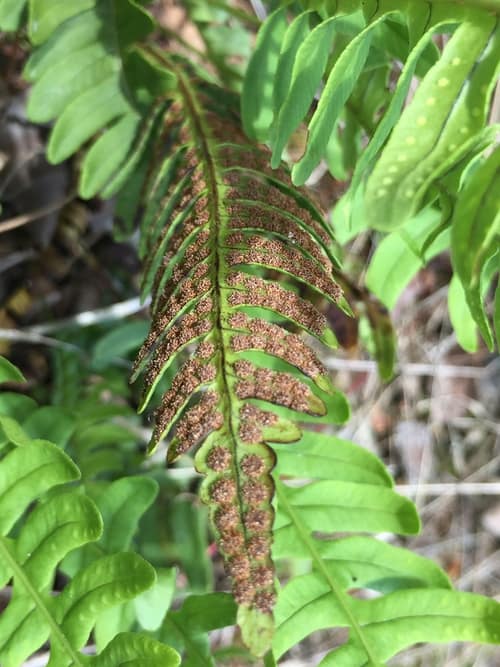
Close Relative (c) Mary Krieger, some rights reserved (CC BY) · cc-by
Help improve the field guideSomething wrong?
Checking your Fauna account…Report a name, category, or profile issue for review.