
Plant
Water Clover
Marsilea quadrifoliaAlso known as European Waterclover, Four Leaf Clover, Water Shamrock, Pepperwort
Water clover is a delicate aquatic fern whose floating or emergent four-part leaflets closely resemble a traditional four-leaf clover. Creeping slender rhizomes anchor in soft mud along lake shores, quiet ditches, and rice paddies, producing long-petioled leaves that adapt effortlessly to fluctuating water levels. Drought conditions trigger the formation of tough, bean-shaped sporocarps at leaf bases, allowing the plant to survive desiccation and propagate.
AquaticFernSpore-Bearing
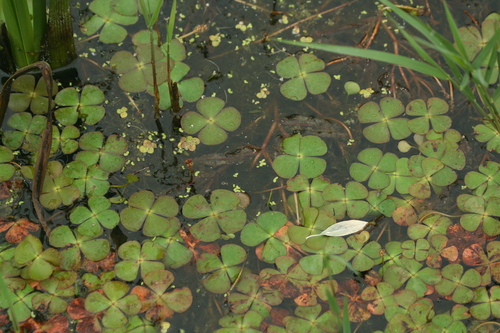
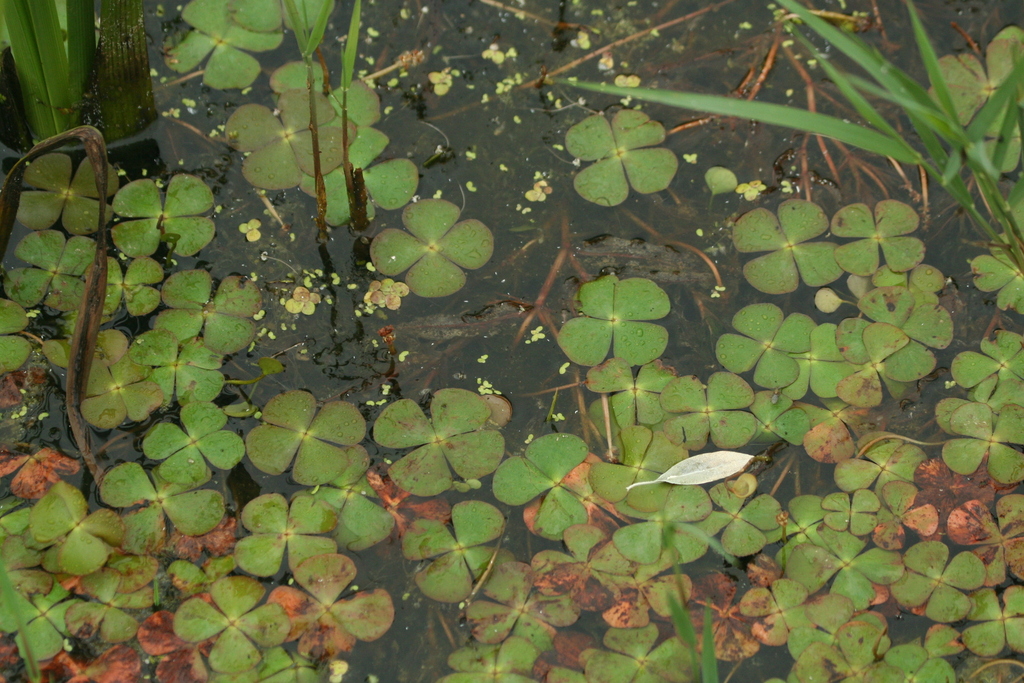
—observations
—countries
—peak records
Least ConcernConservation statusIUCN Red List categoriesLCNTVUENCREWEXLeast ConcernRed List categories, explained →
Diet & preyAutotrophic (Photosynthetic)
Predators
- Waterfowl
- Herbivorous Fish
- Aquatic Snails
ThreatsWetland drainage, aquatic herbicide application, habitat destruction
HabitatsShallow ponds, muddy margins, quiet ditches, rice paddies
Life spanPerennial
Classification
- FamilyMarsileaceae
- SpeciesMarsilea quadrifolia
Range data is not available yet.
Interaction riskLow
- Low
- Moderate
- High
- Very high
- Why interaction risk is low
- Safe to observe at a normal distance.
Responsible observation
- Submerged vs Emergent: Look for floating leaves in open water or upright leaflets in exposed mud.
- Spore Inspection: Search near rhizomes in late summer for hard, dark, seed-like sporocarps.
- Habitat Location: Check shallow, quiet margins of ponds, agricultural ditches, and slow streams.
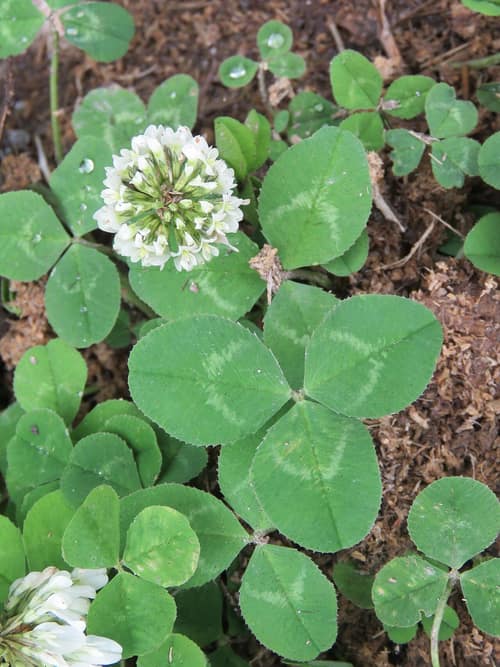
Visual Look-Alike Vinayaraj / CC BY-SA 4.0 · cc-by-sa Image unavailable
Close Relative 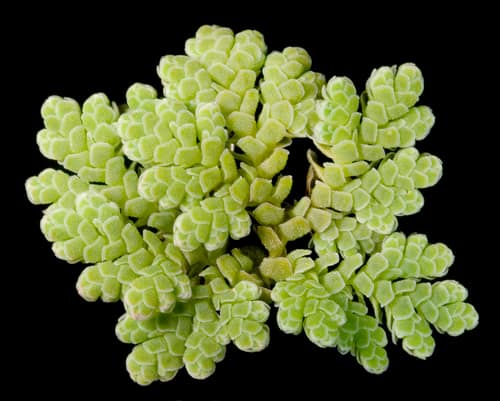
Order Salviniales Relative (c) Kevin Thiele, some rights reserved (CC BY) · cc-by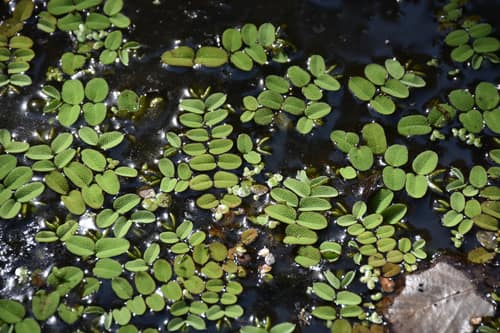
Order Salviniales Relative (c) Игорь Васильев, some rights reserved (CC BY) · cc-by
Help improve the field guideSomething wrong?
Checking your Fauna account…Report a name, category, or profile issue for review.