
Plant
Broadleaf Sea Lettuce
Ulva lactucaAlso known as Sea Lettuce, Green Laver, Sea Lettuce Alga
Bright green thalli anchor to rocky substrates or shell debris using a tiny holdfast, often forming dense leafy clusters along lower intertidal zones. Broad sheets just two cells thick absorb nutrients directly from seawater, allowing exceptionally rapid growth in coastal waters. Under excessive agricultural runoff or pollution, explosive population growth can trigger massive seasonal blooms known as green tides.
IntertidalMarine AlgaCosmopolite
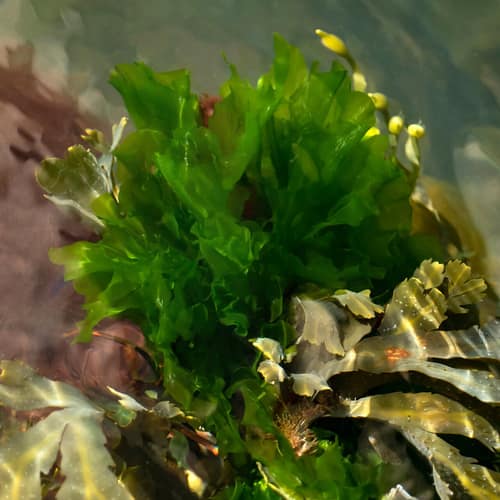
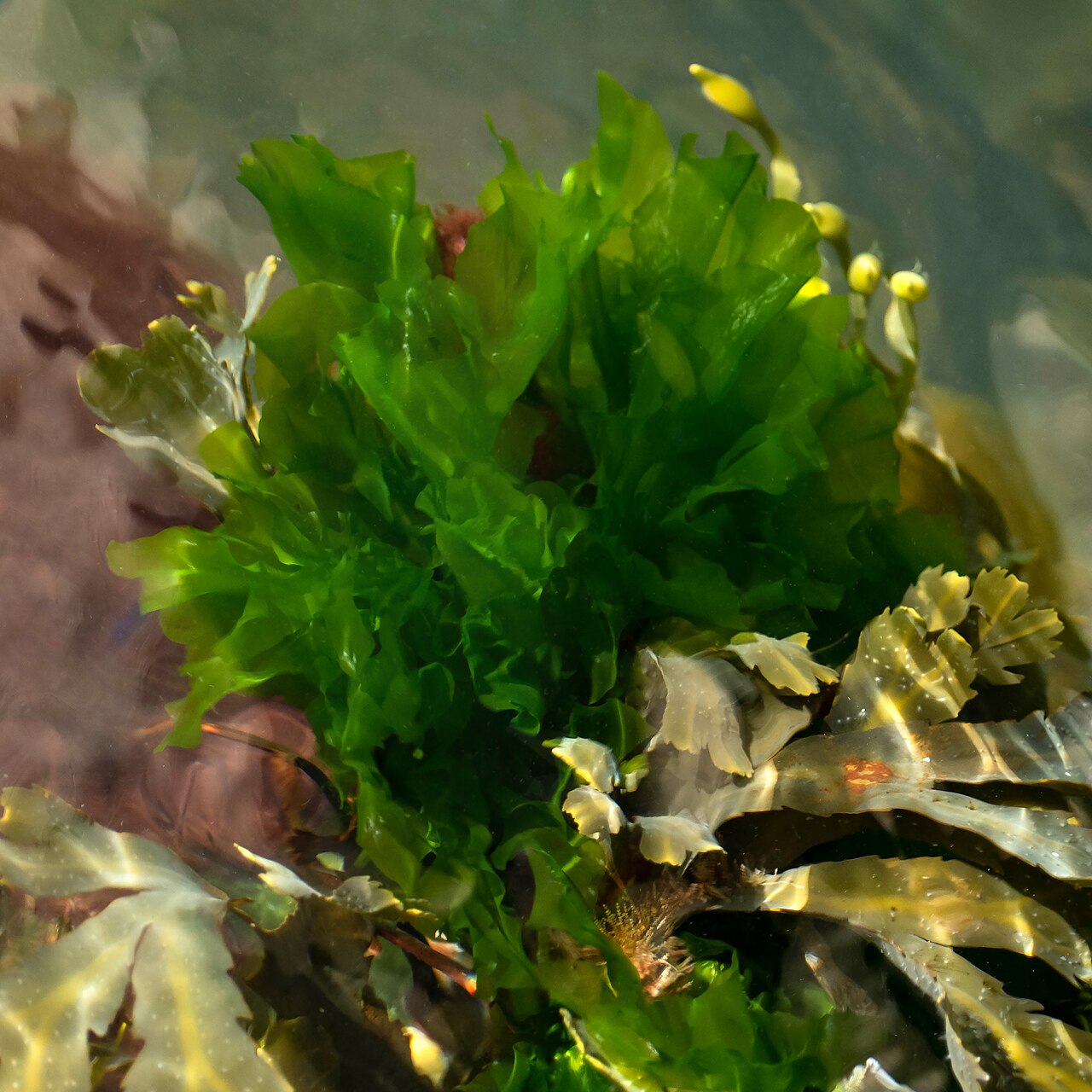
—observations
—countries
—peak records
Not EvaluatedConservation statusIUCN Red List categoriesLCNTVUENCREWEXNot Evaluated — not placed on the risk ladderRed List categories, explained →
Diet & preyAutotrophic (Photosynthetic)
Predators
- Sea Urchins
- Marine Snails
- Herbivorous Fish
ThreatsCoastal pollution, water eutrophication, ocean acidification
HabitatsRocky intertidal zones, tide pools, shallow estuaries
Life spanAnnual or ephemeral fronds
Classification
- FamilyUlvaceae
- SpeciesUlva lactuca
Range data is not available yet.
Interaction riskLow
- Low
- Moderate
- High
- Very high
- Why interaction risk is low
- Safe to observe at a normal distance.
Responsible observation
- Tidepool Viewing: Search for vivid green, translucent sheets attached to exposed rocks during low tide.
- Substrate Inspection: Examine the tiny basal disk anchoring fronds to rocks, shells, or wooden pilings.
- Water Quality Indicator: Dense concentrations often reveal excess nutrient runoff in sheltered bays.
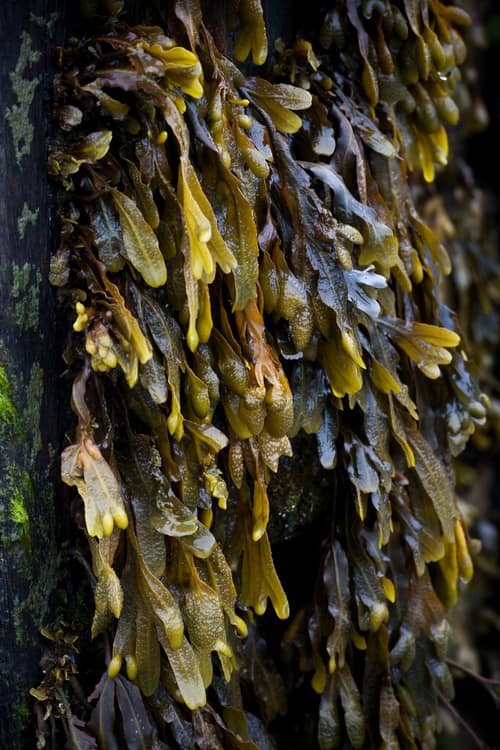
Co-occurring Brown Alga "Bladderwrack" by garryknight is licensed under CC BY 2.0. To view a copy of this license, visit https://creativecommons.org/licenses/by/2.0/. · cc-by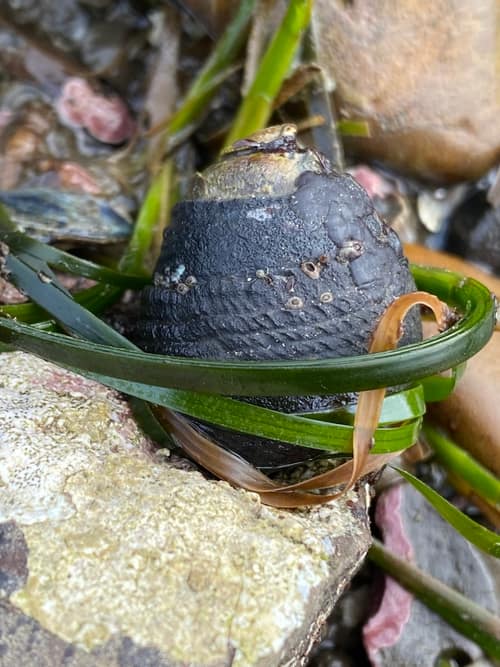
Herbivorous Consumer (c) Rebecca Johnson, some rights reserved (CC BY), uploaded by Rebecca Johnson · cc-by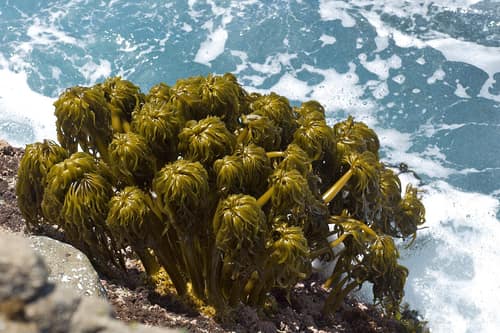
Co-occurring Macroalga Eric in SF / CC BY-SA 3.0 · cc-by-sa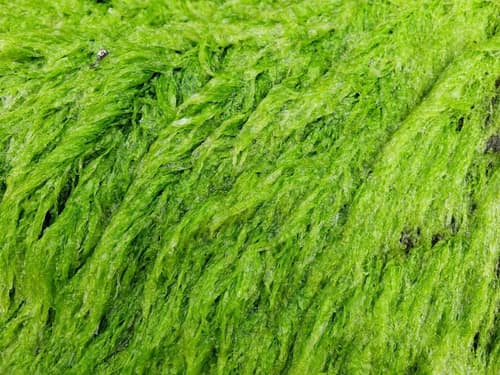
Close Relative (c) Jacqui Geux, some rights reserved (CC BY), uploaded by Jacqui Geux · cc-by
Help improve the field guideSomething wrong?
Checking your Fauna account…Report a name, category, or profile issue for review.