
Fungus · GBIF taxon 5260496
Arctic Rock Tripe
Umbilicaria hyperboreaAlso known as Blistered Rock Tripe, High Northern Rock Tripe
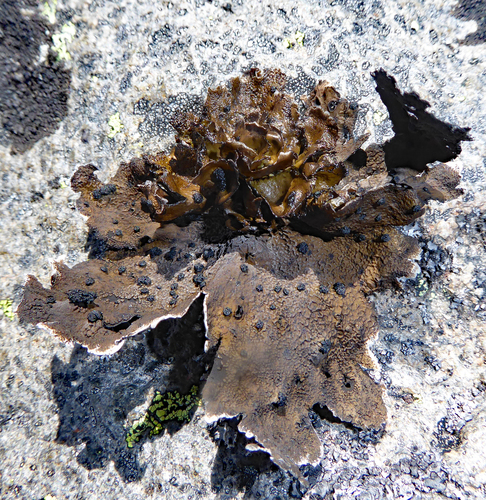
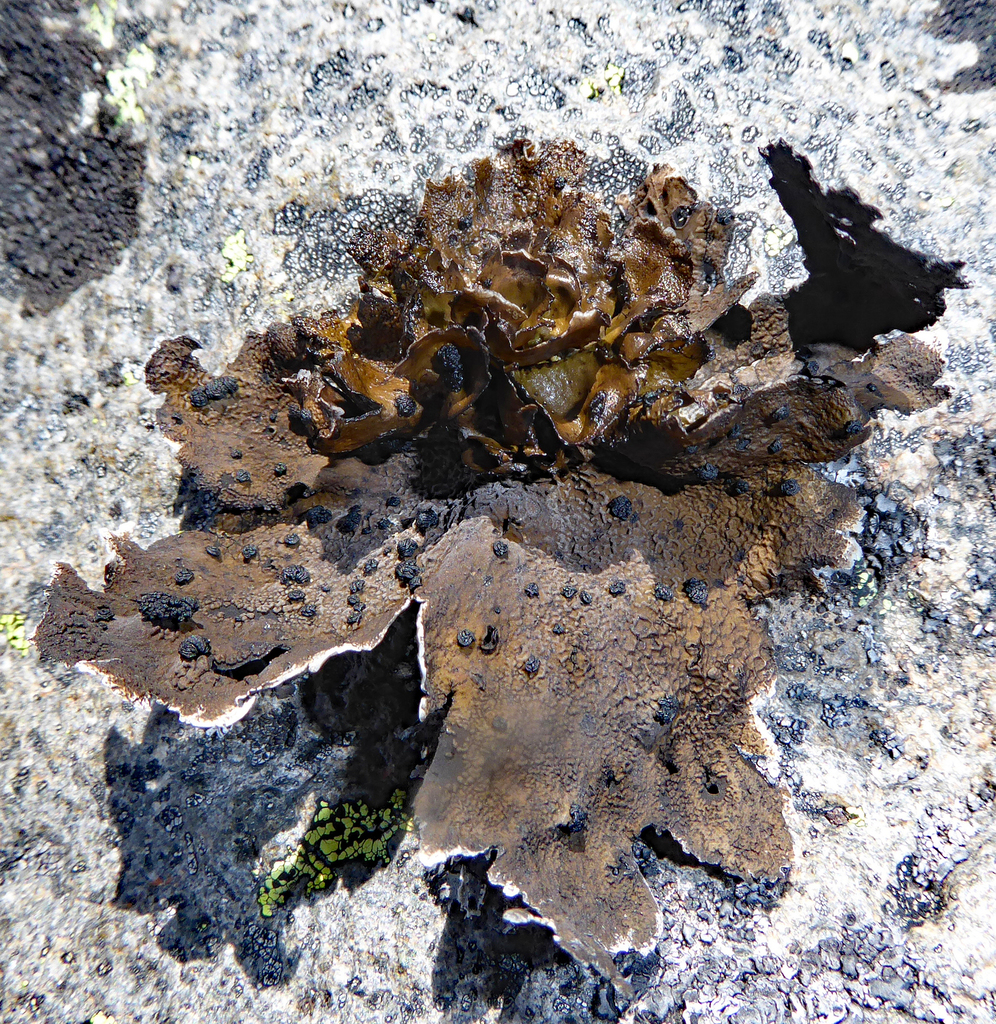
Arctic Rock Tripe forms dark charcoal to brown leathery sheets attached to exposed rocks by a single central anchor called an umbilicus. Its upper surface features distinctive raised blisters and folded wrinkles that help it survive extreme desiccation and icy winds. As a pioneer organism in polar and high-alpine environments, this resilient lichen slowly breaks down bare rock while providing vital ground cover in cold tundra ecosystems.
LichenArcticAlpine
—observations
—countries
—peak records
Not EvaluatedConservation statusIUCN Red List categoriesLCNTVUENCREWEXNot Evaluated — not placed on the risk ladderRed List categories, explained →
Diet & prey
- Photosynthetic (symbiotic algae) and atmospheric absorption
Predators
- Reindeer
- Caribou
- Rock Ptarmigan
ThreatsClimate change, atmospheric pollution, localized trampling
HabitatsExposed arctic and alpine rocks, tundra boulder fields
Life spanDecades to centuries
Size / weightNot available
Classification
- FamilyUmbilicariaceae
- SpeciesUmbilicaria hyperborea
Range data is not available yet.
Interaction riskLow
- Low
- Moderate
- High
- Very high
- Why interaction risk is low
- Safe to observe at a normal distance.
Responsible observation
- Location: Look on wind-scoured granitic boulders and high alpine ridge rocks.
- Tread Lightly: Step carefully on rocky tundra to avoid crushing slow-growing thalli.
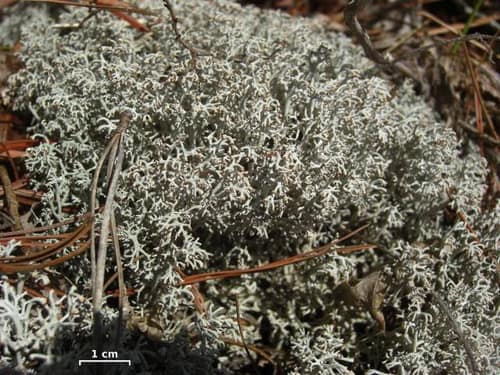
Ecological Partner Jason Hollinger / CC BY-SA 3.0 · cc-by-sa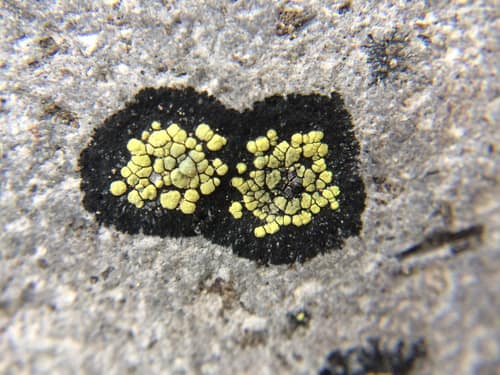
Frequent Companion (c) Jeffrey Lee (he/him/his), some rights reserved (CC BY) · cc-by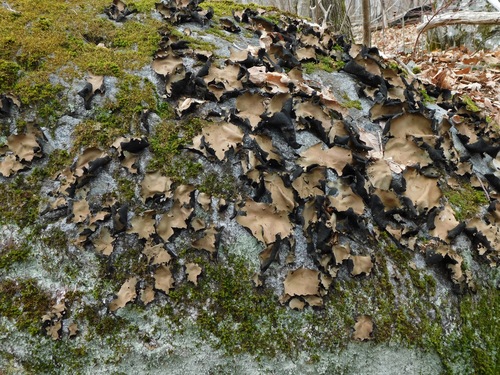
Close Relative (c) Michael J. Papay, some rights reserved (CC BY), uploaded by Michael J. Papay · cc-by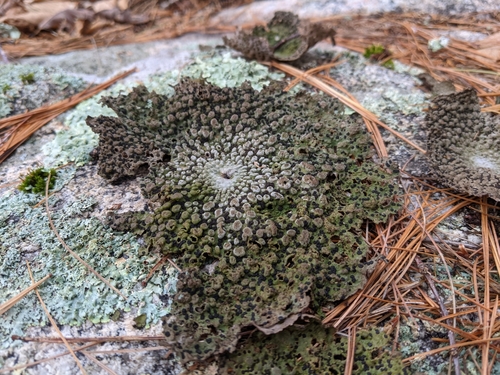
Close Relative (c) Zac Peterson, some rights reserved (CC BY) · cc-by
Help improve the field guideSomething wrong?
Checking your Fauna account…Report a name, category, or profile issue for review.