
Fungus · GBIF taxon 5255147
Candlesnuff Fungus
Xylaria hypoxylonAlso known as Candlestick Fungus, Carbon Antlers, Stag's Horn Fungus
Candlesnuff fungus sprouts in antler-like clusters on decaying hardwood, beginning as slender black uprights coated in a chalky powder of asexual spores. As winter advances, the powdery white tips slough away to reveal a roughened, entirely black surface studded with tiny pits where sexual spores form. These tough, carbonaceous fruiting bodies persist for months, quietly breaking down tough wood fibers while recycling nutrients into the woodland floor.
DecomposerWoodlandBioluminescent
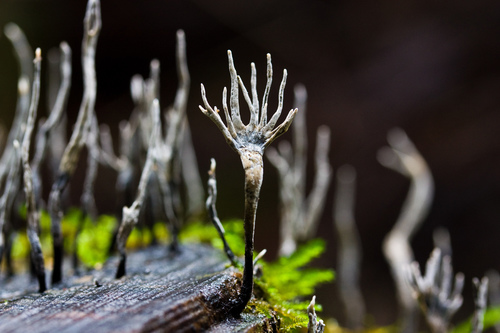
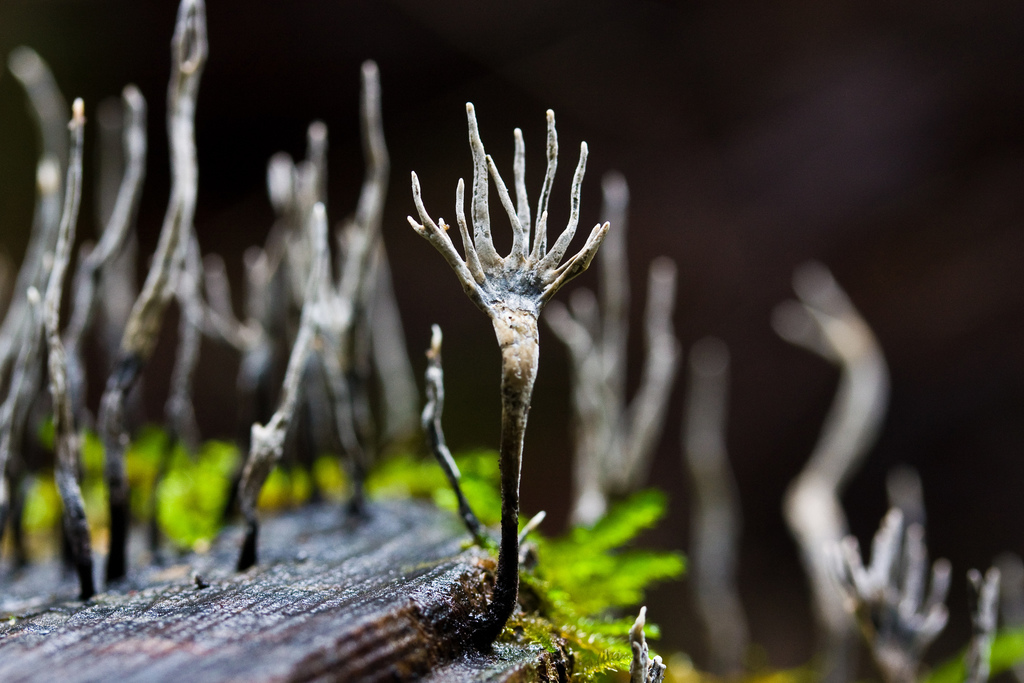
—observations
—countries
—peak records
Not EvaluatedConservation statusIUCN Red List categoriesLCNTVUENCREWEXNot Evaluated — not placed on the risk ladderRed List categories, explained →
Diet & prey
- Saprotrophic, decomposing dead hardwood lignin and cellulose
Predators
- Fungus Beetles
- Springtails
- Slugs
ThreatsIntensive forestry that clears deadwood and coarse woody debris
HabitatsDeciduous and mixed temperate woodlands on fallen logs, rotting stumps, and buried roots
Life spanSeveral months to over a year (individual fruiting structures)
Classification
- FamilyXylariaceae
- SpeciesXylaria hypoxylon
Range data is not available yet.
Interaction riskLow
- Low
- Moderate
- High
- Very high
- Why interaction risk is low
- Many edible mushrooms have toxic look-alikes; never eat wild fungi based on app identification alone.
Responsible observation
- Examining Spores: Gently touch the chalky white tips in autumn to see powdery conidia release.
- Log Inspection: Search the damp, shaded sides of mossy hardwood stumps during cool, wet months.
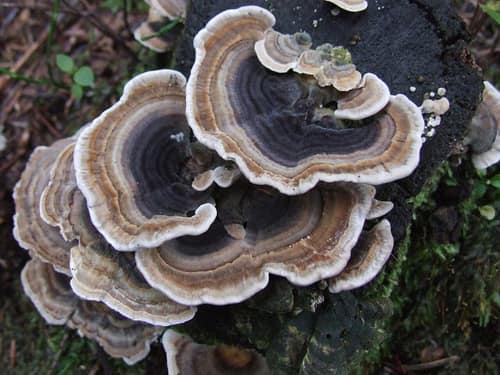
Neighbor Jerzy Opioła / CC BY-SA 3.0 · cc-by-sa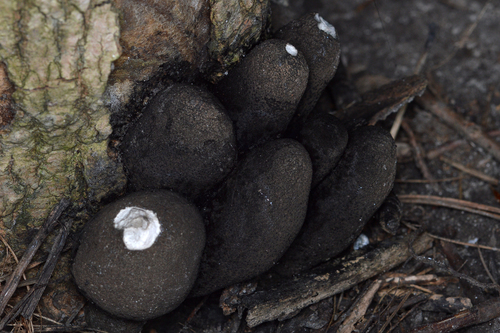
Close Relative (c) Ryan Hodnett, some rights reserved (CC BY-SA) · cc-by-sa Image unavailable
Close Relative 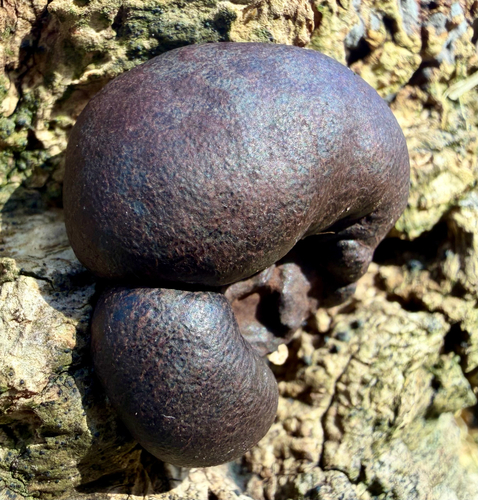
Same Family (c) Kieran Roy Powell, some rights reserved (CC BY) · cc-by
Help improve the field guideSomething wrong?
Checking your Fauna account…Report a name, category, or profile issue for review.