
Fungus · GBIF taxon 5249296
Conifer Jelly Ear
Auricularia americanaAlso known as American Jelly Ear, Wood Ear Fungus
Conifer jelly ears produce rubbery, ear-shaped fruitbodies that cling to decaying pine, spruce, and fir logs across North America and East Asia. These saprotrophic fungi shrink and dry into brittle black crusts during dry spells, only to rehydrate and swell back into flexible brownish jelly after autumn rains. They play an essential role in breaking down lignin and returning nutrients to forest soils.
FungusGelatinousDecomposer
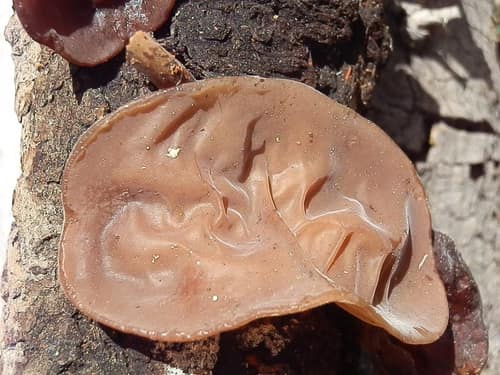
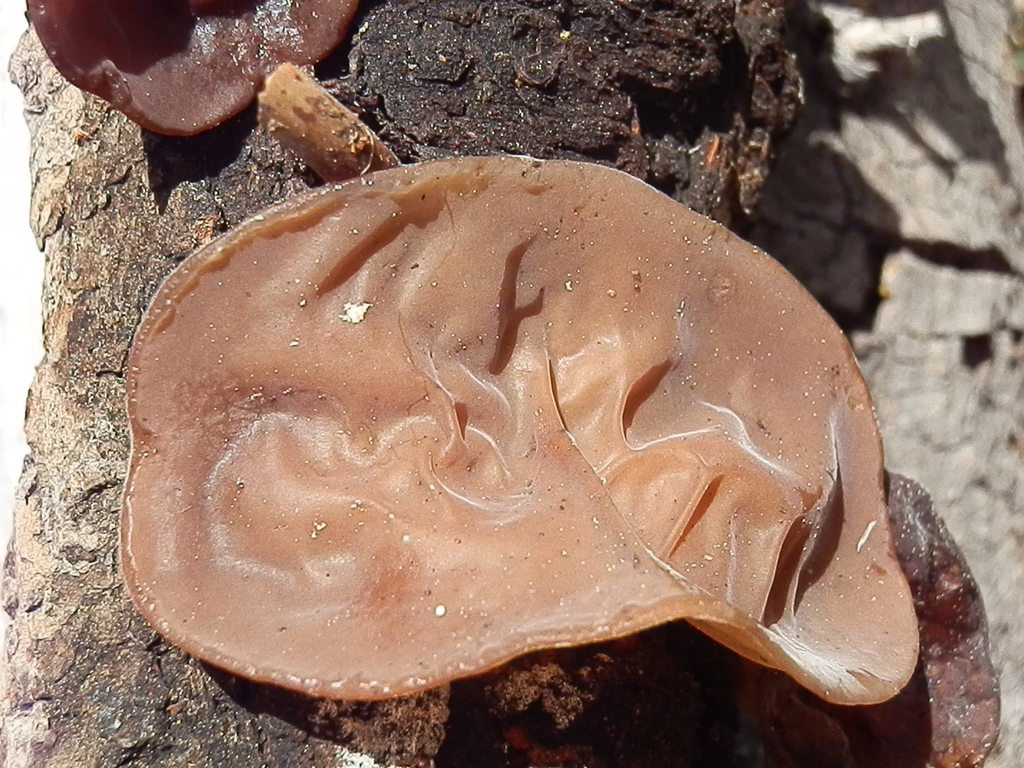 1 / 7
1 / 7—observations
—countries
—peak records
Not EvaluatedConservation statusIUCN Red List categoriesLCNTVUENCREWEXNot Evaluated — not placed on the risk ladderRed List categories, explained →
Diet & prey
- Saprotrophic (decomposing dead wood)
Predators
- Slugs
- Fungus Gnats
- Forest Beetles
ThreatsDeforestation and clear-cutting
HabitatsConiferous and mixed forests
Life spanFruitbodies persist for several months
Size / weightNot available
Classification
- FamilyAuriculariaceae
- SpeciesAuricularia americana
Range data is not available yet.
Interaction riskLow
- Low
- Moderate
- High
- Very high
- Why interaction risk is low
- Many edible mushrooms have toxic look-alikes; never eat wild fungi based on app identification alone.
Responsible observation
- Observation: Look for gelatinous cup- or ear-like structures on rotting pine or fir bark after heavy rainfall.
- Seasonal Timing: Search moist conifer woodlands in late autumn and mild winter periods when moisture is abundant.
- Identification Tip: Examine the attachment point and substrate to distinguish from hardwood-dwelling jelly species.
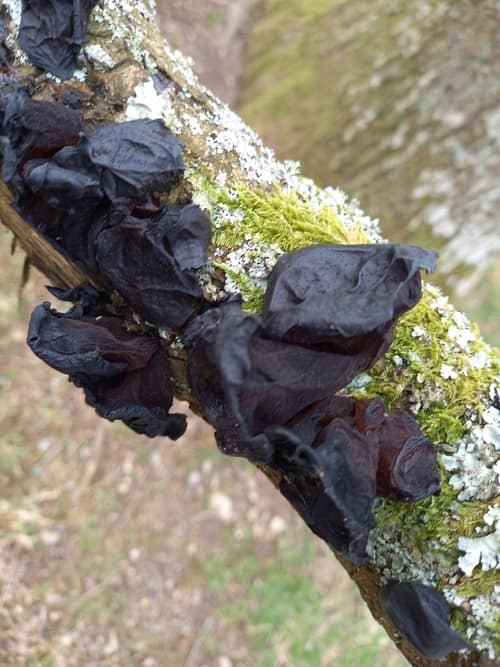
Ecological Competitor (c) sugarsnap_t, some rights reserved (CC BY), uploaded by sugarsnap_t · cc-by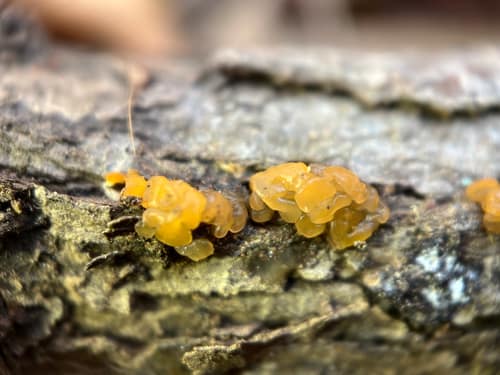
Co-occurring Fungus (c) Serenella Linares, some rights reserved (CC BY) · cc-by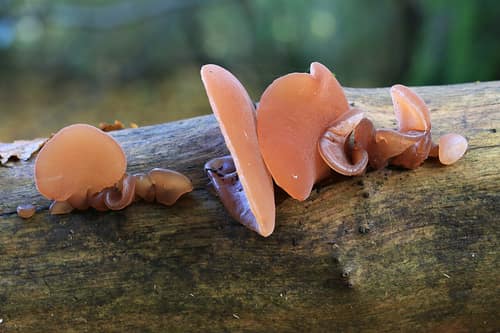
Close Relative Stu's Images / CC BY-SA 4.0 · cc-by-sa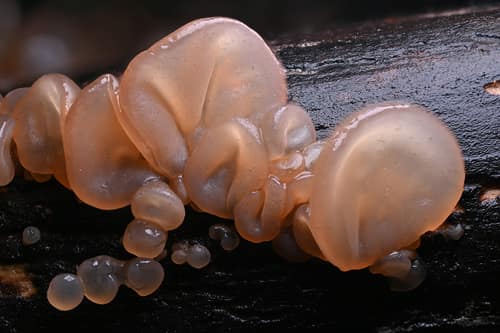
Close Relative (c) Alan Rockefeller, some rights reserved (CC BY), uploaded by Alan Rockefeller · cc-by
Help improve the field guideSomething wrong?
Checking your Fauna account…Report a name, category, or profile issue for review.