
Fungus
Coral Tooth Fungus
Hericium coralloidesAlso known as Comb Coral Mushroom, Coral Spine Fungus
Coral tooth fungus forms stunning, branching clusters of pure white spines that resemble marine coral or frozen cascades. It acts as an essential forest recycler, decomposing dead hardwood trees by breaking down tough lignin and cellulose into nutrient-rich organic matter. The delicate fruiting bodies typically emerge after soaking rains in late summer and autumn, releasing powdery white spores from their hanging spines before yellowing with age.
FungusForestDecomposer
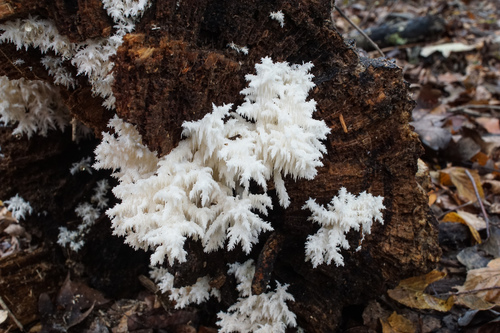
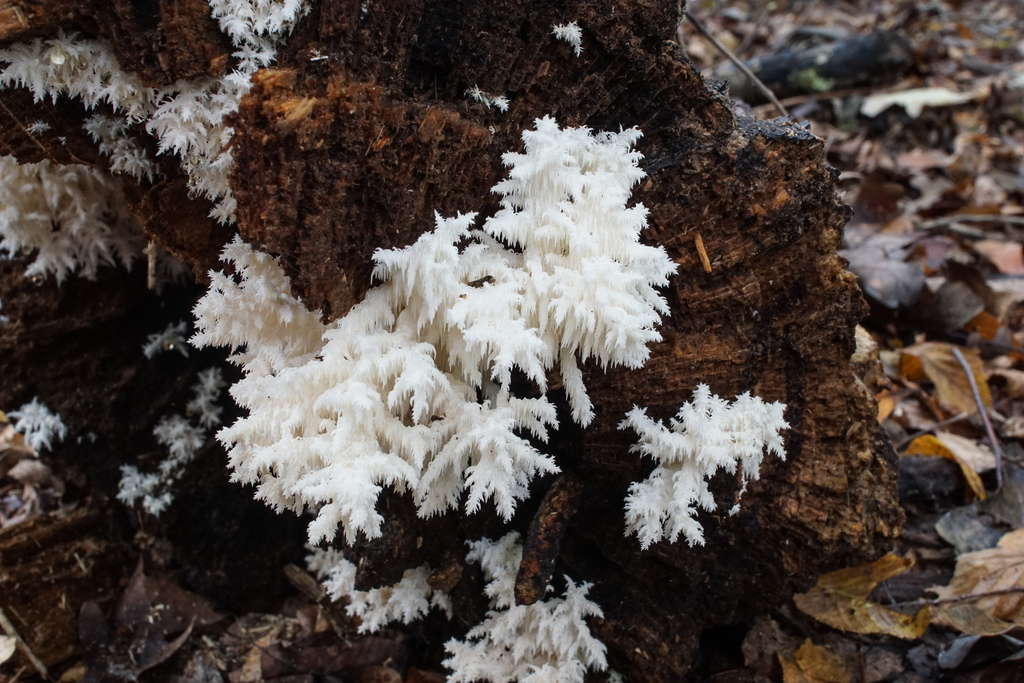
—observations
—countries
—peak records
Least ConcernConservation statusIUCN Red List categoriesLCNTVUENCREWEXLeast ConcernRed List categories, explained →
Diet & preyDead hardwood logs, Decaying cellulose, Lignin
Predators
- Fungus gnat larvae
- Ciid beetles
- Slugs
ThreatsDeforestation, intensive forestry, and removal of deadwood
HabitatsTemperate deciduous and mixed broadleaf forests
Life spanFruiting body lasts 2–4 weeks; mycelium persists for decades
Classification
- OrderRussulales
- FamilyHericiaceae
- GenusHericium
- SpeciesHericium coralloides
Range data is not available yet.
Interaction riskLow
- Low
- Moderate
- High
- Very high
- Why interaction risk is low
- Many edible mushrooms have toxic look-alikes; never eat wild fungi based on app identification alone.
Responsible observation
- Habitat Spotting: Search shady, humid ravines and mature forests with ample fallen beech or birch logs.
- Lighting: Use diffused natural light when photographing to avoid blowing out the delicate white spines.
- Log Care: Avoid rolling or disturbing fallen logs, which damages the long-lived internal mycelial network.
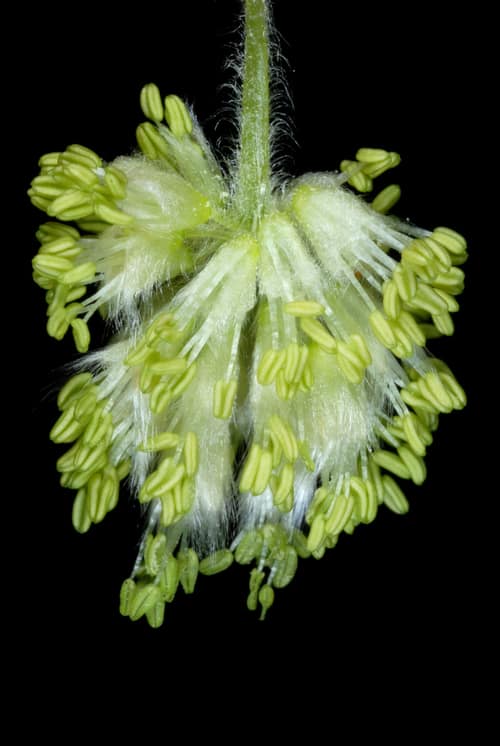
Host Tree (c) Douglas Goldman, some rights reserved (CC BY-SA), uploaded by Douglas Goldman · cc-by-sa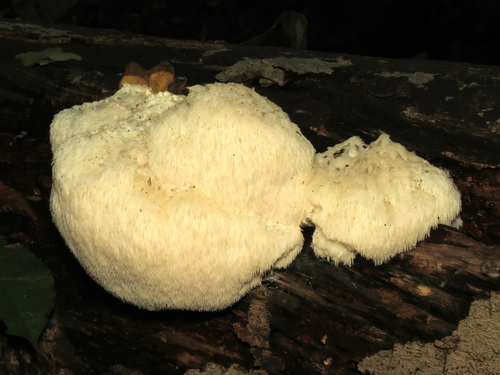
Close Relative (c) Katja Schulz, some rights reserved (CC BY) · cc-by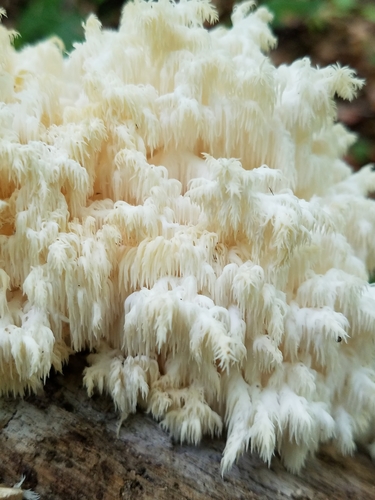
Close Relative (c) Jennifer Harris, some rights reserved (CC BY) · cc-by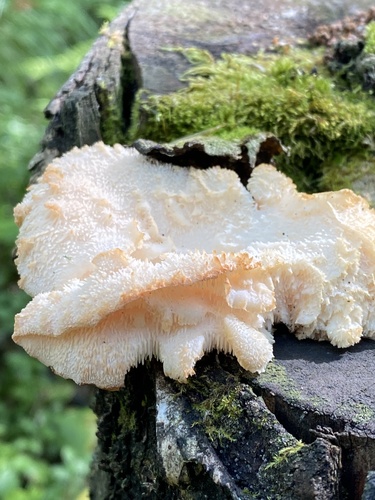
Close Relative no rights reserved · cc0
Help improve the field guideSomething wrong?
Checking your Fauna account…Report a name, category, or profile issue for review.