
Fungus · GBIF taxon 5248508
Lion's-mane Mushroom
Hericium erinaceusAlso known as Bearded Tooth Fungus, Yamabushitake, Bearded Hedgehog, Monkey Head Mushroom
Lion's-mane mushrooms produce striking, unbranched icicle-like spines that cascade downward in dense, single-clump clusters from the trunks of deciduous trees. Operating as both a weak parasite and a saprotroph, this fungal organism colonizes heartwood injuries on standing hardwoods like beech and oak during cool autumn months. The fruiting bodies begin as firm white masses before developing their characteristic shaggy appearance and slowly turning cream or yellow with age.
SaprophyticHardwood ForestSpiny Mushroom
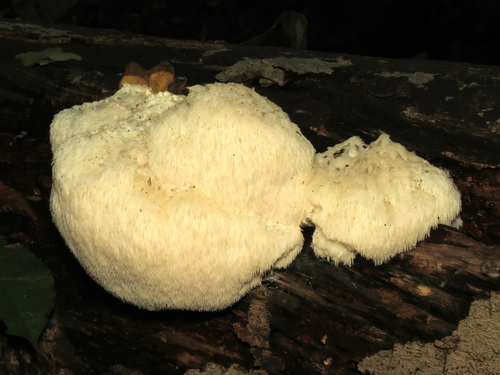
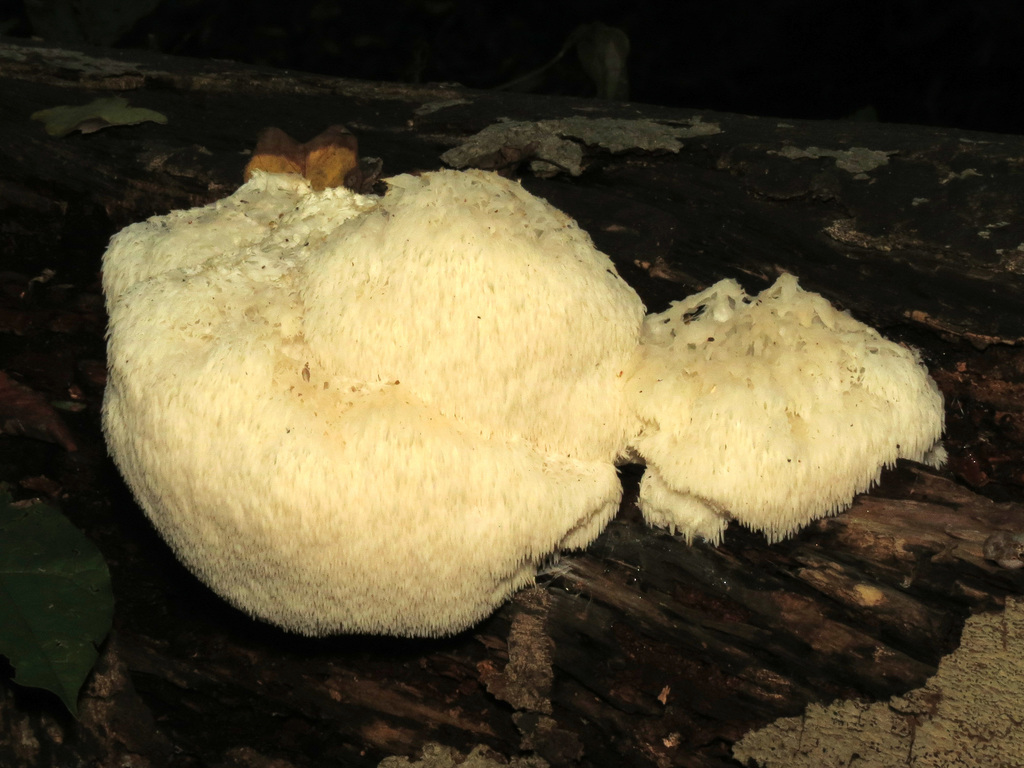
—observations
—countries
—peak records
Least ConcernConservation statusIUCN Red List categoriesLCNTVUENCREWEXLeast ConcernRed List categories, explained →
Diet & prey
- Saprotrophic and weakly parasitic on broadleaf timber
Predators
- Fungus gnats
- Beetles
- Slugs
ThreatsHabitat loss, removal of ancient broadleaf trees, deadwood management
HabitatsDeciduous broadleaf forests, mature oak and beech woods
Life spanPerennial underground mycelium; fruiting body lasts 2–4 weeks
Classification
- OrderRussulales
- FamilyHericiaceae
- GenusHericium
- SpeciesHericium erinaceus
Range data is not available yet.
Interaction riskLow
- Low
- Moderate
- High
- Very high
- Why interaction risk is low
- Many edible mushrooms have toxic look-alikes; never eat wild fungi based on app identification alone.
Responsible observation
- Scan Hardwoods: Look high on trunks or wounds of old beech, oak, and maple trees in autumn.
- Check Spine Structure: Look for unbranched icicle-like spines hanging from a single cluster.
- Leave in Place: Allow wild specimens to mature and disperse spores into the forest.
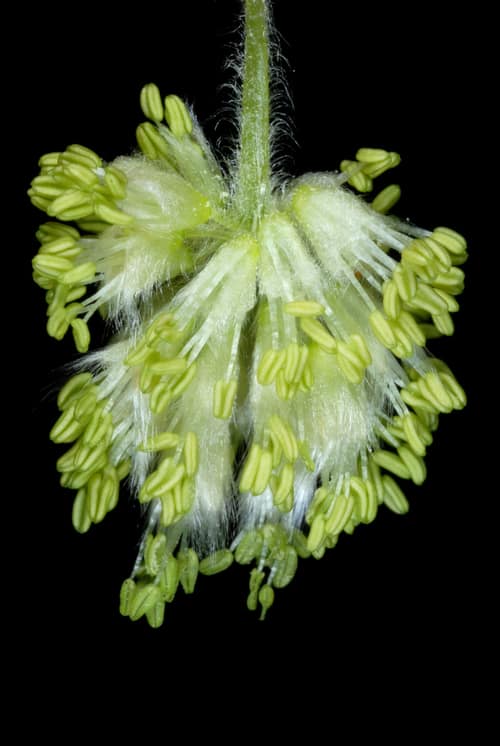
Host Tree (c) Douglas Goldman, some rights reserved (CC BY-SA), uploaded by Douglas Goldman · cc-by-sa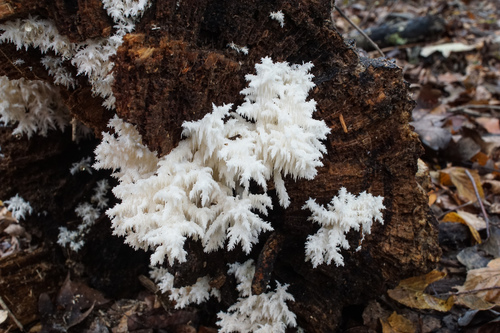
Close Relative (c) Bill Sheehan, some rights reserved (CC BY-SA), uploaded by Bill Sheehan · cc-by-sa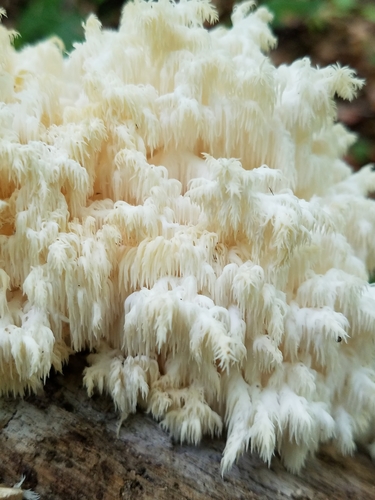
Close Relative (c) Jennifer Harris, some rights reserved (CC BY) · cc-by
Help improve the field guideSomething wrong?
Checking your Fauna account…Report a name, category, or profile issue for review.