
Fungus · GBIF taxon 5248035
Veiled Polypore
Cryptoporus volvatusAlso known as Cryptic Globe Fungus, Pouch Fungus, Veiled Pouch Fungus
Veiled polypores form distinctive cream-to-tan globe-like fruiting bodies on dead or dying conifers across North America and eastern Asia. Unlike typical bracket fungi, a thick membranous veil conceals the lower pore surface, creating a enclosed chamber where spores mature. Bark beetles bore through this protective veil to feed, inadvertently picking up spores and carrying them to new host trees.
Wood-DecayingConifer HostBeetle Dispersed
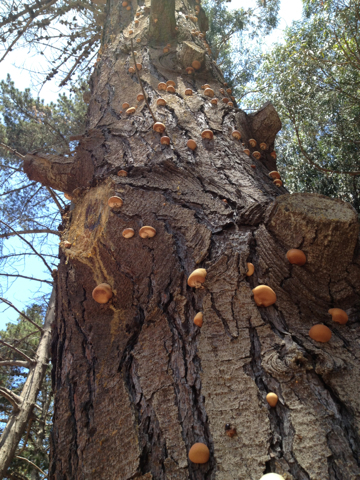
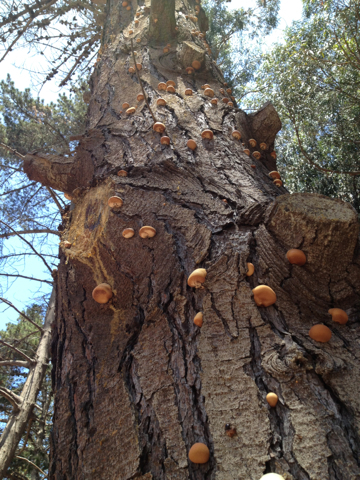 1 / 7
1 / 7—observations
—countries
—peak records
Not EvaluatedConservation statusIUCN Red List categoriesLCNTVUENCREWEXNot Evaluated — not placed on the risk ladderRed List categories, explained →
Diet & prey
- Saprobic (decomposes conifer sapwood)
Predators
- Bark beetles
- Fungus beetles
- Wood-boring larvae
ThreatsDeforestation, intensive fire suppression
HabitatsConiferous forests, recently burned woodlands, timber stands
Life spanAnnual (fruiting bodies last one season)
Size / weightNot available
Classification
- OrderPolyporales
- FamilyPolyporaceae
- GenusCryptoporus
- SpeciesCryptoporus volvatus
Range data is not available yet.
Interaction riskLow
- Low
- Moderate
- High
- Very high
- Why interaction risk is low
- Many wild mushrooms have toxic look-alikes; never eat wild fungi based on app identification alone.
Responsible observation
- Look for Veiled Undersides: Peer under the rounded globe to spot the distinctive papery veil covering the pores.
- Inspect Beetle Holes: Check the veil for tiny perforations made by emerging insects that disperse spores.
- Examine Conifer Hosts: Search dead or fire-damaged pine, fir, and spruce trunks in coniferous woodlands.
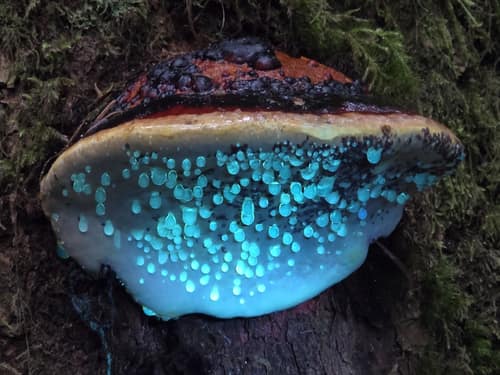
Co-Occurring Saprobe (c) Alan Rockefeller, some rights reserved (CC BY) · cc-by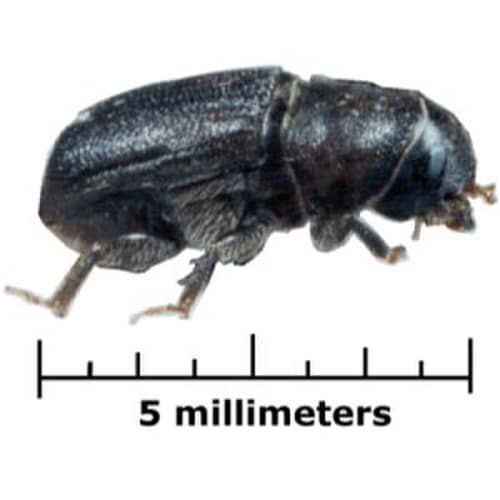
Dispersal Vector Wikimedia Commons / Public domain · cc0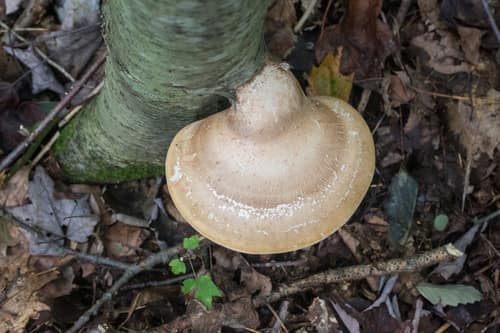
Decay Relative (c) Richard Jacob, some rights reserved (CC BY), uploaded by Richard Jacob · cc-by
Keep collecting in Fauna
Found in Collections
Ecosystem chain Pro
Secret Garden
Veiled Polypore is found in this collection. Identify it in Fauna to fill this slot and continue your progress.
Unlock to track progress
Help improve the field guideSomething wrong?
Checking your Fauna account…Report a name, category, or profile issue for review.