
Fungus
Spring Polypore
Polyporus arculariusAlso known as Fringed Polypore
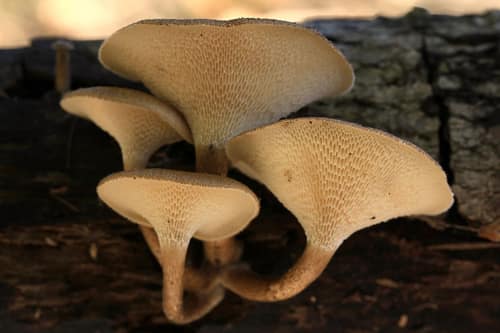
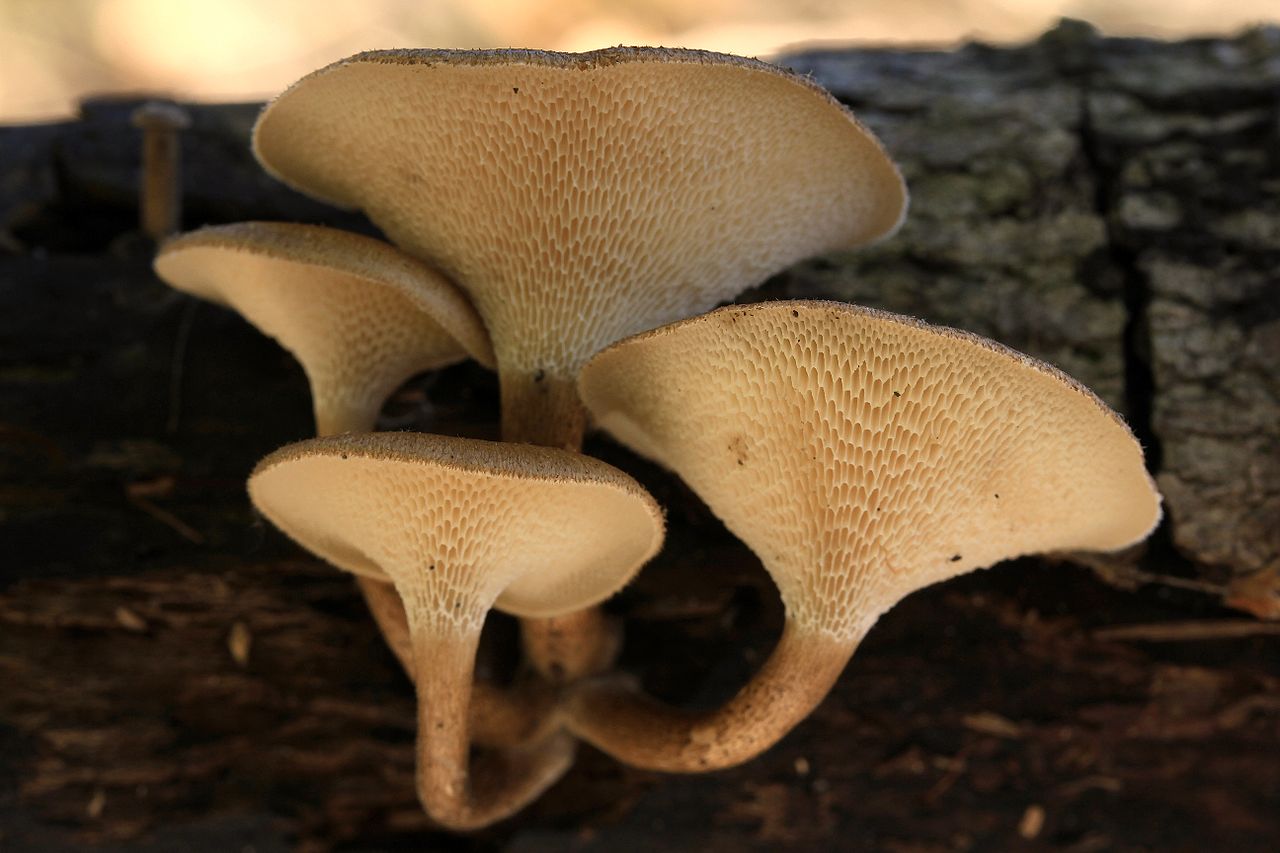
Spring polypores sprout from decaying hardwood twigs and fallen branches during early warm months, signaling the seasonal breakdown of forest debris. Recognizable by their central stem and distinctly fringed cap margin, these small bracket-like mushrooms display a distinctive honeycomb network of pores underneath. As active saprotrophs, they play a vital ecological role in recycling nutrients back into forest soils.
SaprotrophicSpring FungiWood-Decayer
—observations
—countries
—peak records
Not EvaluatedConservation statusIUCN Red List categoriesLCNTVUENCREWEXNot Evaluated — not placed on the risk ladderRed List categories, explained →
Diet & preyDecaying hardwoods, Fallen twigs, Rotting tree bark
Predators
- Fungus beetles
- Slugs
- Fly larvae
ThreatsDeforestation and intensive forestry that removes downed wood
HabitatsDeciduous forests, mixed woodlands, and parks
Life spanFruiting bodies persist for several weeks; mycelium lives multi-year
Classification
- FamilyPolyporaceae
- SpeciesPolyporus arcularius
Range data is not available yet.
Interaction riskLow
- Low
- Moderate
- High
- Very high
- Why interaction risk is low
- Many edible mushrooms have toxic look-alikes; never eat wild fungi based on app identification alone.
Responsible observation
- Substrate inspection: Scan small downed hardwood twigs on the forest floor after warm spring rains.
- Pore structure: Turn the cap over to observe the large, hexagonal pores characteristic of the genus.
- Margin check: Feel along the edge of young caps to notice the tiny hair-like fringe.
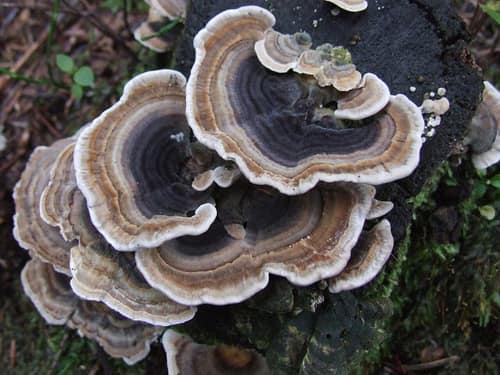
Frequent Companion Jerzy Opioła / CC BY-SA 3.0 · cc-by-sa Image unavailable
Close Relative 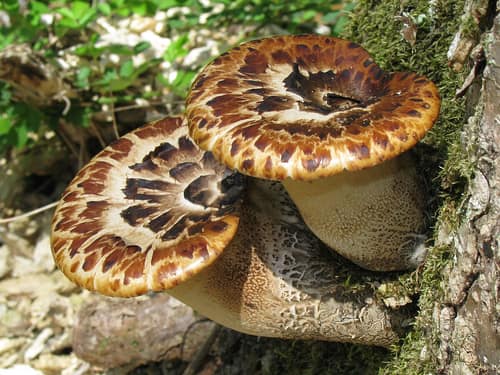
Family Member Dan Molter / CC BY-SA 3.0 · cc-by-sa
Help improve the field guideSomething wrong?
Checking your Fauna account…Report a name, category, or profile issue for review.