
Fungus · GBIF taxon 5243258
Common Puffball
Lycoperdon perlatumAlso known as Gem-studded Puffball, Warted Puffball
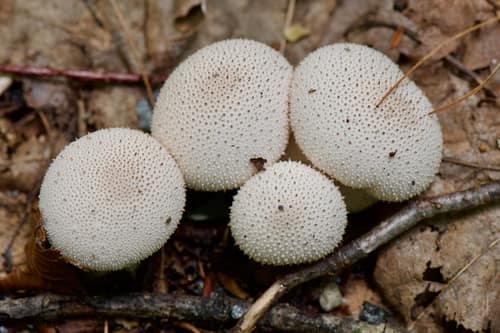
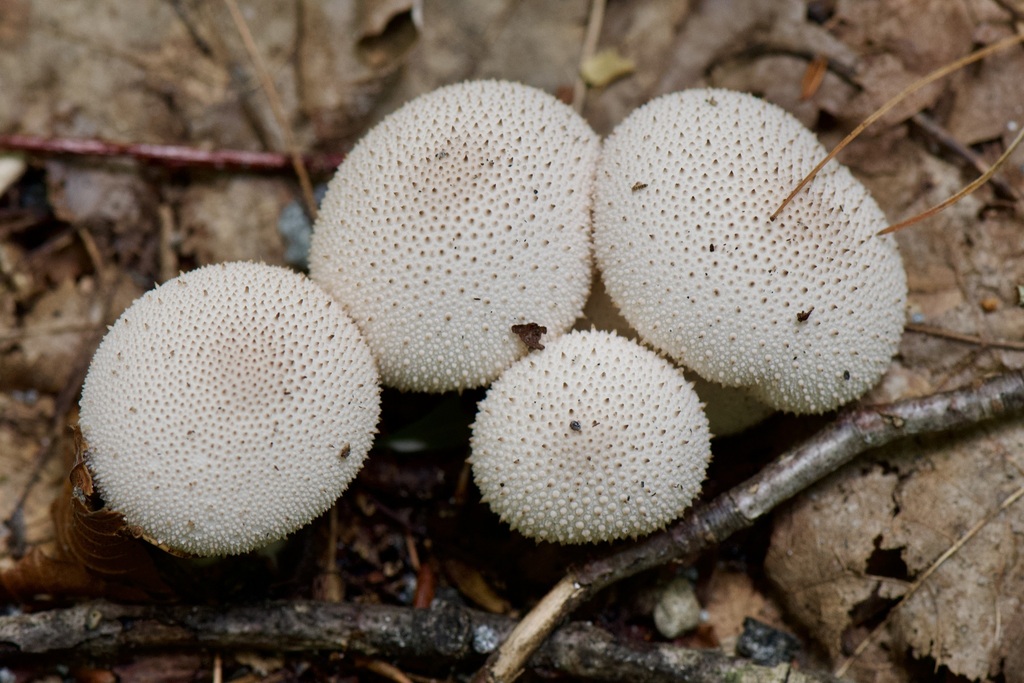
Common puffballs form rounded to pear-shaped spore sacs covered in small detachable spines. Young structures are pale, then darken as a pore opens at the top and releases a cloud of mature spores.
puffballforest fungusspore sac
 1 / 7
1 / 7—observations
—countries
—peak records
Least ConcernConservation statusIUCN Red List categoriesLCNTVUENCREWEXLeast ConcernRed List categories, explained →
Diet & prey
- Decomposes organic matter in soil, leaf litter, and well-rotted woody debris
Predators
- slugs
- insect larvae
- small mammals
ThreatsSoil disturbance, removal of coarse woody debris, drought, and intensive collection
HabitatsWoodland floor, forest paths, grassland, gardens, and decaying logs or stumps
Life spanVisible structures persist for days to weeks while underground mycelium may last for years
Size / weightNot available
Classification
- OrderAgaricales
- FamilyLycoperdaceae
- GenusLycoperdon
- SpeciesLycoperdon perlatum
Range data is not available yet.
Interaction riskLow
- Low
- Moderate
- High
- Very high
- Why interaction risk is low
- Look-alikes can be misidentified; do not eat or ingest any wild fungus without expert confirmation.
Responsible observation
- Observe: Note the spiny surface and top pore without squeezing a mature specimen.
- Document: Record substrate and surrounding habitat while leaving the mycelium undisturbed.
Keep collecting in Fauna
Found in Collections
Species set Pro
Fungi Forager
Common Puffball is found in this collection. Identify it in Fauna to fill this slot and continue your progress.
Unlock to track progress
Help improve the field guideSomething wrong?
Checking your Fauna account…Report a name, category, or profile issue for review.