
Fungus · GBIF taxon 5242507
Liberty Cap
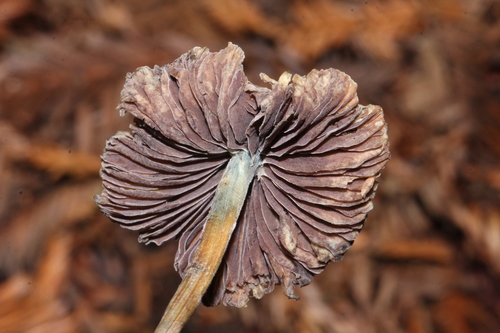
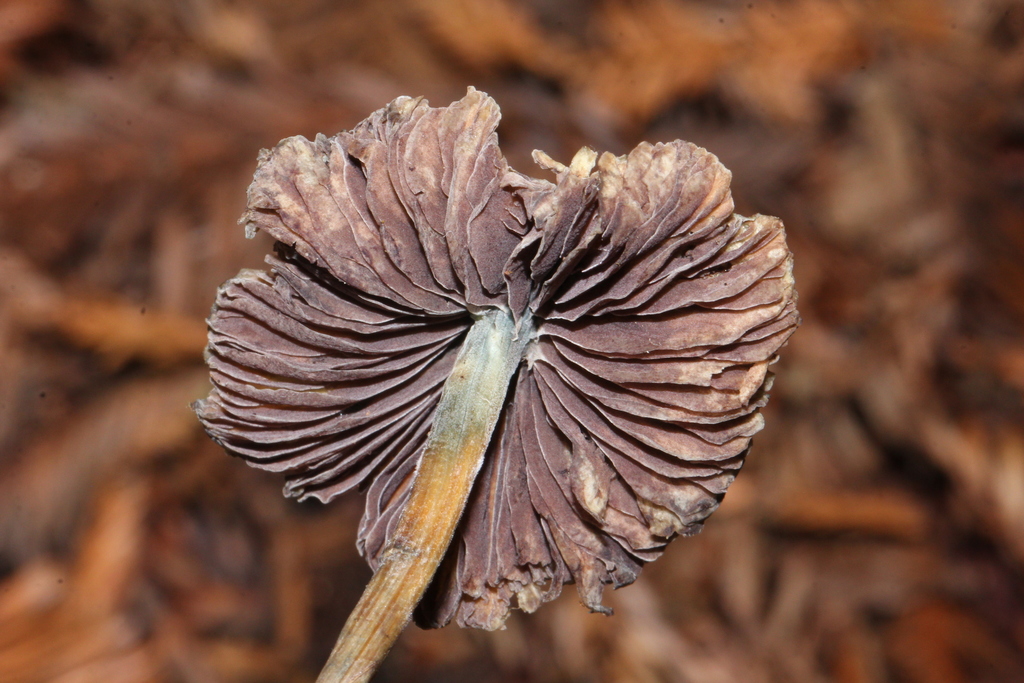
Psilocybe semilanceataLiberty caps emerge from sheep pastures, grassy meadows, and moist lawns across cool temperate regions every autumn, thriving on decaying grass root systems rather than dung. Their distinct conical caps possess a hygrophanous cuticle, shifting dramatically from sticky chestnut brown when wet to a smooth pale buff as moisture evaporates. The slender, flexuous stems often curve gracefully through dense turf to elevate their dark purple-brown spores into passing air currents.
GrasslandDecomposerFall Fruiting
 1 / 7
1 / 7—observations
—countries
—peak records
Not EvaluatedConservation statusIUCN Red List categoriesLCNTVUENCREWEXNot Evaluated — not placed on the risk ladderRed List categories, explained →
Diet & prey
- Saprotrophic (breaks down decaying grass roots and plant matter)
Predators
- Slugs
- Fungus gnat larvae
- Springtails
ThreatsSynthetic agricultural fertilizers, soil compaction, and plowing
HabitatsSheep pastures, acidic meadows, golf courses, and damp grassy hillsides
Life spanFruiting bodies last 3–10 days; subterranean mycelium persists for years
Classification
- FamilyHymenogastraceae
- SpeciesPsilocybe semilanceata
Range data is not available yet.
Interaction riskHigh
- Low
- Moderate
- High
- Very high
- Why interaction risk is high
- Contains psychoactive toxins, and wild fungi carry lethal look-alikes; never consume based on app identification.
- Why it is dangerous
- Produces psilocybin and psilocin, which act on central serotonin receptors to cause nausea, tachycardia, and severe psychological distress.
- How to recognize a risky encounter
- Recognized by its conical cap with an acute apex, separable gelatinous skin, and dark purple-brown spore print.
- What to do
- Leave specimens undisturbed in the field, and never ingest any wild mushroom.
Responsible observation
- Habitat Spotting: Search undisturbed, low-nitrogen pastures and hillsides grazed by sheep rather than cattle.
- Identification Check: Examine the nipple-like papilla atop the conical cap and check for a dark purplish spore print.
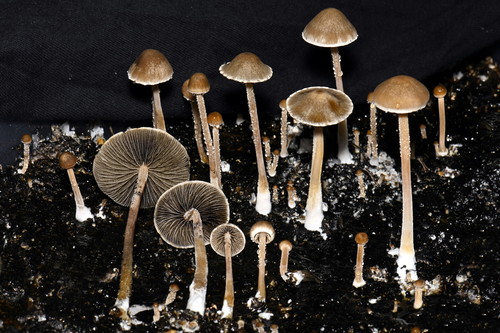
Neighbor (c) Alan Rockefeller, some rights reserved (CC BY) · cc-by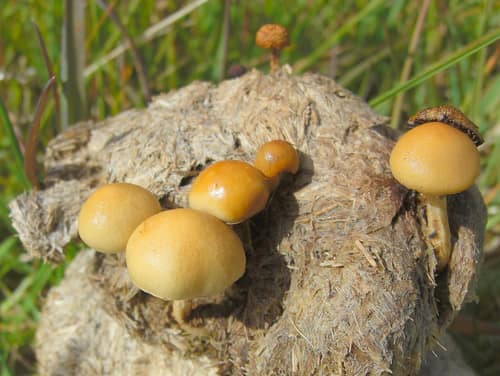
Frequent Companion Jason Hollinger / CC BY-SA 3.0 · cc-by-sa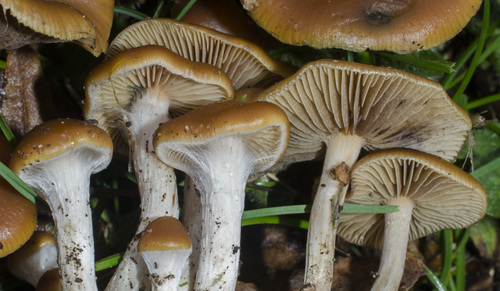
Same Genus (c) Tim Sage, some rights reserved (CC BY-SA), uploaded by Tim Sage · cc-by-sa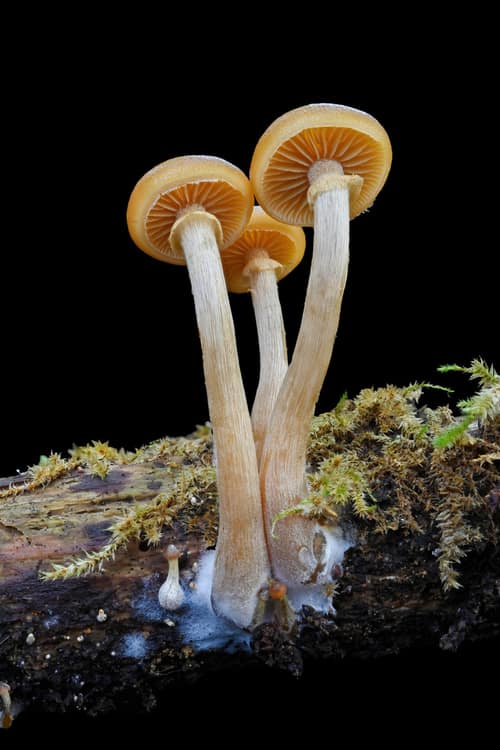
Look-alike (c) Alan Rockefeller, some rights reserved (CC BY), uploaded by Alan Rockefeller · cc-by
Help improve the field guideSomething wrong?
Checking your Fauna account…Report a name, category, or profile issue for review.