
Fungus
Collybia Nuda
Lepista nudaAlso known as Wood Blewit, Blewit, Blue Foot, Blue Leg
Wood blewits emerge late in the autumn fruiting season, often dotting forest floors in dramatic fairy rings or dense clusters amid decaying leaves and needles. Young caps display a striking bluish-purple hue that gradually fades to a warm buff or tan as the mushroom matures and the spores ripen. Operating as efficient saprotrophs, their subterranean mycelia play a vital role in decomposing woodland humus and recycling nutrients back into the forest soil.
FungusSaprophyteForest Floor
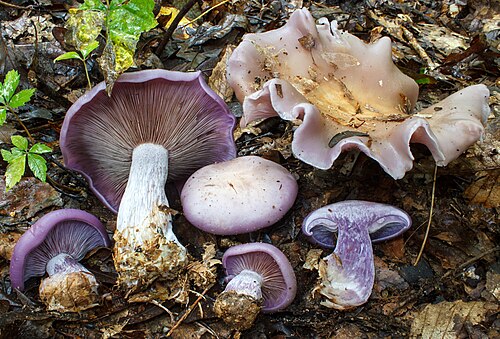
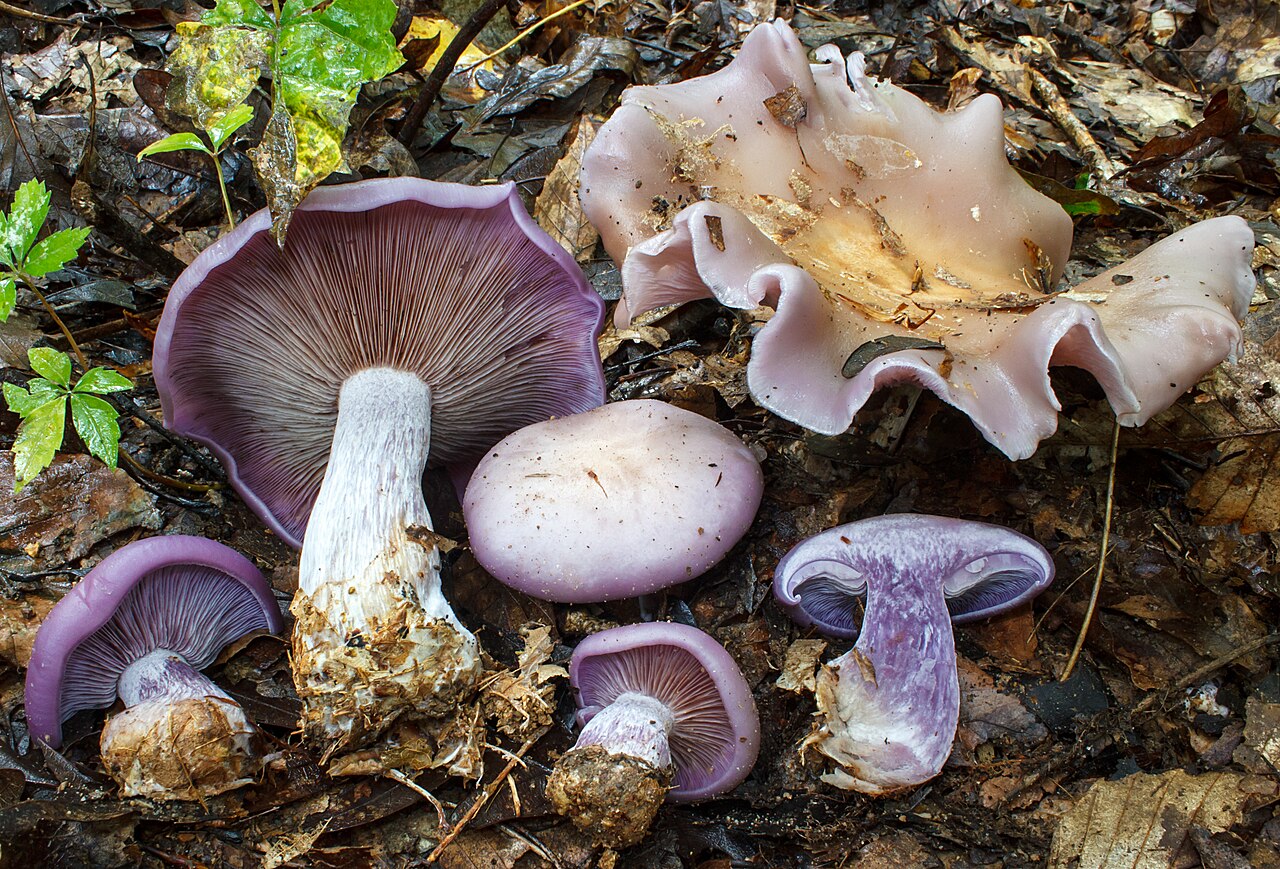
—observations
—countries
—peak records
Least ConcernConservation statusIUCN Red List categoriesLCNTVUENCREWEXLeast ConcernRed List categories, explained →
Diet & preySaprotrophic (decomposing deciduous and coniferous leaf litter)
Predators
- Fungus Gnat Larvae
- Slugs
- Small Rodents
ThreatsHabitat destruction, intensive forestry practices, and soil contamination
HabitatsDeciduous and coniferous woodlands, parks, compost piles, and leaf litter
Life spanFruiting body lasts 1–3 weeks; underground mycelium can live for decades
Classification
- OrderAgaricales
- FamilyTricholomataceae
- GenusLepista
- SpeciesLepista nuda
Range data is not available yet.
Interaction riskLow
- Low
- Moderate
- High
- Very high
- Why interaction risk is low
- Many edible mushrooms have toxic look-alikes; never eat wild fungi based on app identification alone.
Responsible observation
- Check the Spores: Take a spore print on white paper to confirm the pale pinkish-buff color.
- Inspect the Gills: Look for sinuate to adnate gill attachments that easily separate from the cap.
- Notice the Scent: Gently bruise the flesh to detect its characteristic sweet, floral aroma.
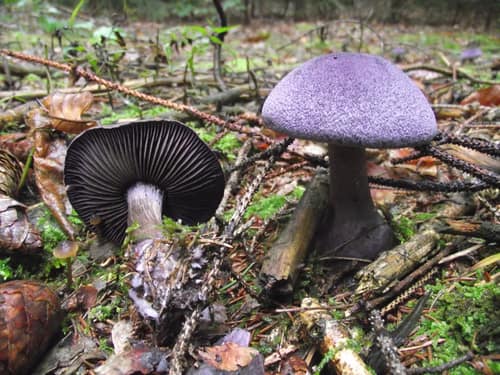
Look-alike (c) Davide Puddu, some rights reserved (CC BY), uploaded by Davide Puddu · cc-by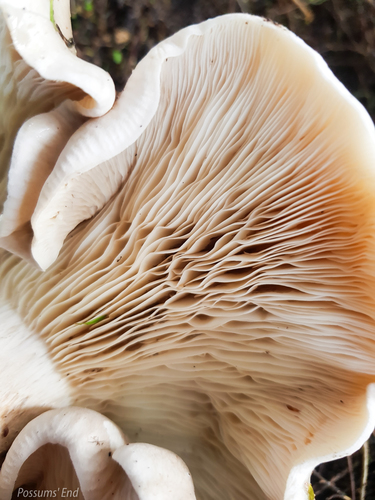
Frequent Companion (c) Possums' End, some rights reserved (CC BY), uploaded by Possums' End · cc-by Image unavailable
Close Relative
Help improve the field guideSomething wrong?
Checking your Fauna account…Report a name, category, or profile issue for review.