
Fungus
Lion Shield
Pluteus leoninusAlso known as Lion Pluteus
Perched upon decaying hardwood logs and stumps, lion shield catches the eye with its vibrant, velvety cap in shades of golden tawny to olivaceous yellow. Like other shield mushrooms, its crowded gills start out whitish before taking on a salmon-pink flush as the spores mature. This saprotrophic fungus plays an essential role in forest recycling by breaking down damp, rotting wood in mature broadleaf woodlands.
Wood-decayingYellow CapForest Dweller
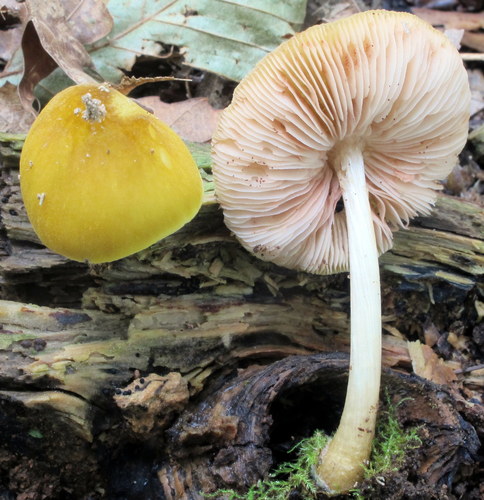
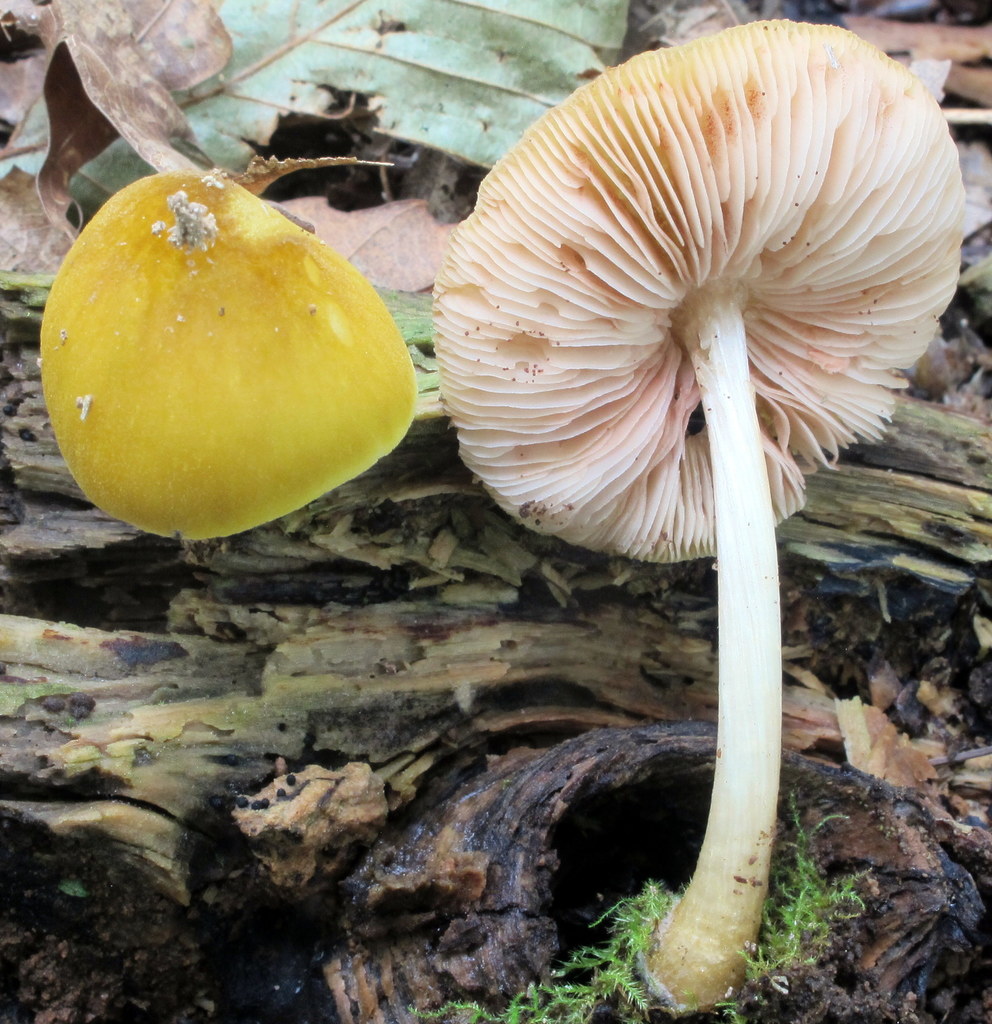
—observations
—countries
—peak records
Not EvaluatedConservation statusIUCN Red List categoriesLCNTVUENCREWEXNot Evaluated — not placed on the risk ladderRed List categories, explained →
Diet & preyLignin, Cellulose, Dead hardwood tissues
Predators
- Fungus gnats
- Slugs
- Mycophagous beetles
ThreatsRemoval of deadwood and intensive forestry practices
HabitatsBroadleaf and mixed temperate woodlands
Life spanFruiting body lasts 3–7 days; mycelium persists for years
Classification
- OrderAgaricales
- FamilyPluteaceae
- GenusPluteus
- SpeciesPluteus leoninus
Range data is not available yet.
Interaction riskLow
- Low
- Moderate
- High
- Very high
- Why interaction risk is low
- Many edible mushrooms have toxic look-alikes; never eat wild fungi based on app identification alone.
Responsible observation
- Check decaying logs: Search fallen, mossy hardwood logs and well-rotted stumps in shaded damp forests.
- Inspect the gills: Observe how the pale young gills shift to a distinct pinkish tone with maturity.
- Leave in place: Allow the fruiting body to remain intact to disperse spores into the surrounding woodland.
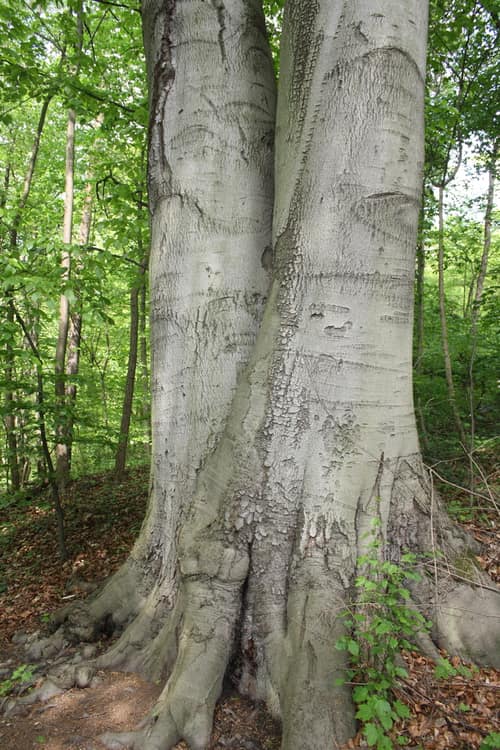
Substrate Host (c) Daniel Linzbauer, some rights reserved (CC BY), uploaded by Daniel Linzbauer · cc-by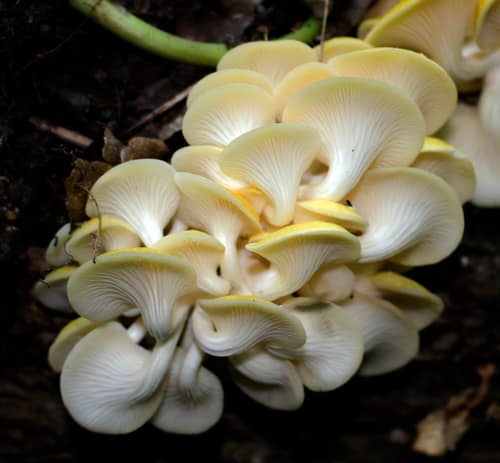
Ecological Neighbor (c) aarongunnar, some rights reserved (CC BY), uploaded by aarongunnar · cc-by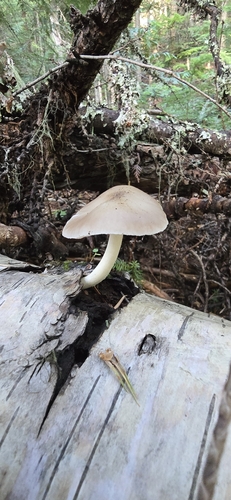
Close Relative no rights reserved · cc0
Help improve the field guideSomething wrong?
Checking your Fauna account…Report a name, category, or profile issue for review.