Also known as Common Roll-Rim, Poison Pax, Inrolled Pax
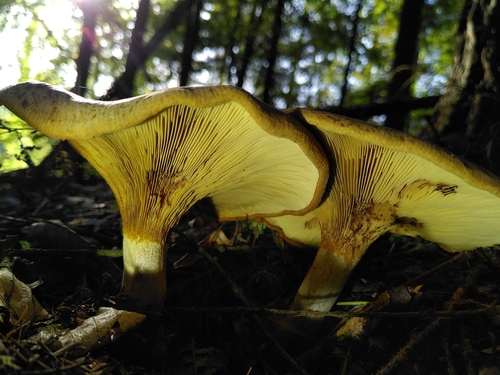
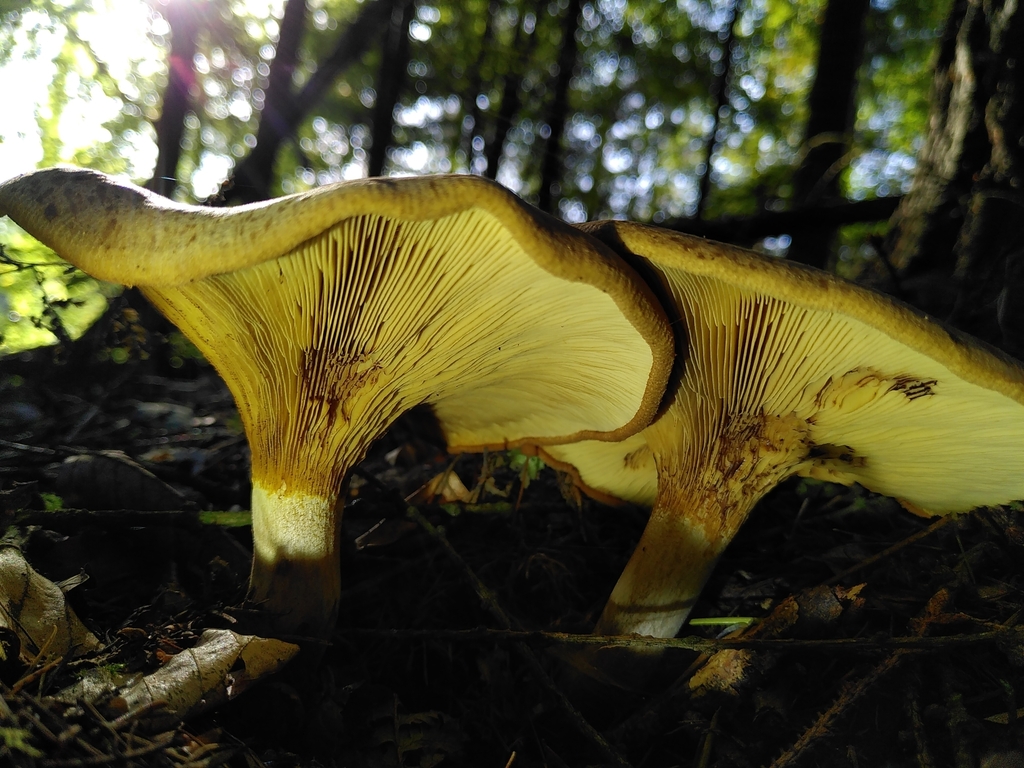
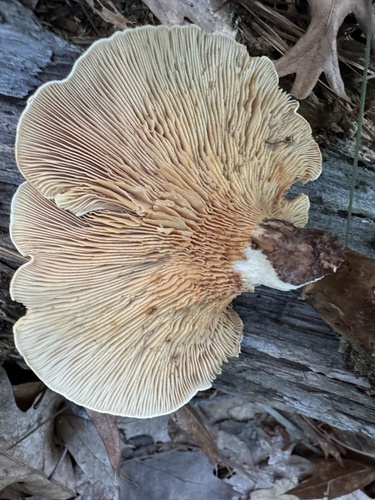
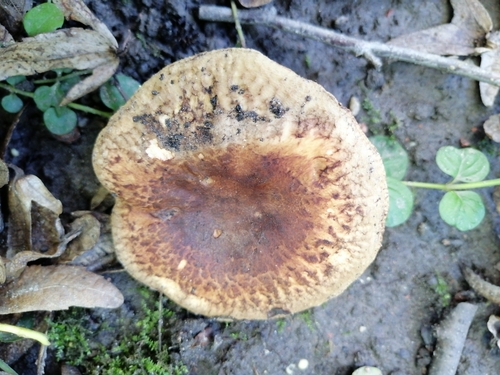
Brown roll-rims establish vital ectomycorrhizal partnerships with both deciduous and coniferous trees, aiding nutrient uptake across northern temperate forests. The sturdy fruit bodies feature a distinctively down-rolled cap margin and decurrent, yellowish gills that stain a deep rust-brown when bruised. Although historically gathered in eastern and central Europe, repeated consumption triggers an antigen-antibody reaction that destroys human red blood cells.
Not EvaluatedConservation statusIUCN Red List categoriesLCNTVUENCREWEXNot Evaluated — not placed on the risk ladderRed List categories, explained →
Key facts
Diet & preyMycorrhizal (exchanges soil nutrients and water for carbohydrates from host tree roots)
Predators
Fungus gnat larvae
Slugs
Springtails
ThreatsHabitat loss, heavy nitrogen deposition, and clearcut forestry practices
HabitatsDeciduous, coniferous, and mixed woodlands, mossy heaths, and damp parklands
Life spanFruiting bodies persist 1–2 weeks; underground mycelium survives for decades
Classification
OrderBoletales
FamilyPaxillaceae
GenusPaxillus
SpeciesPaxillus involutus
Range & activity
Range data is not available yet.
Safe observation
Interaction riskHigh
Low
Moderate
High
Very high
Why interaction risk is high
Contains antigens triggering fatal autoimmune hemolysis; never eat wild fungi based on app identification alone.
Why it is dangerous
Contains an unknown antigen that stimulates human immune systems to form antibodies against their own erythrocytes, causing massive hemolytic anemia and kidney failure.
How to recognize a risky encounter
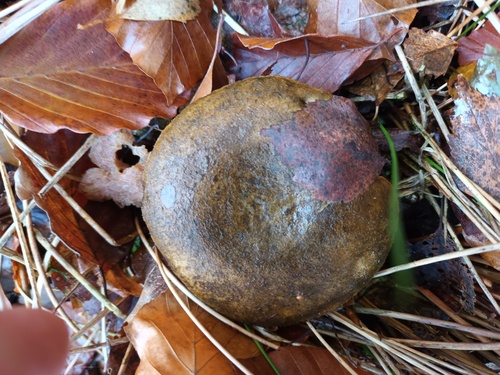
Look for a dull ochre to olive-brown cap with a tightly inrolled rim, decurrent gills, and brown bruising on the underside.
What to do
Do not harvest or consume under any circumstances; observe in habitat and wash hands after touch.
Responsible observation
Bruising test: Lightly press the yellowish gills with a fingernail to observe rapid reddish-brown staining.
Spore print: Place a mature cap gill-side down on white paper overnight to reveal rust-brown spores.
Safe viewing: Photograph freely in place, but wash hands thoroughly after handling any wild fungi.