
Fungus · GBIF taxon 5239963
Leopard Earthball
Scleroderma areolatumAlso known as Areolate Earthball, Small Leopard Earthball
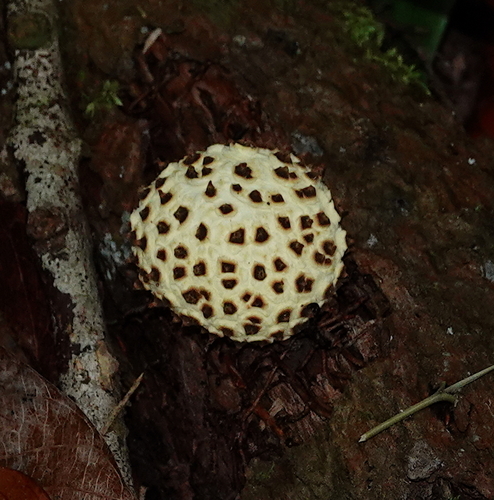
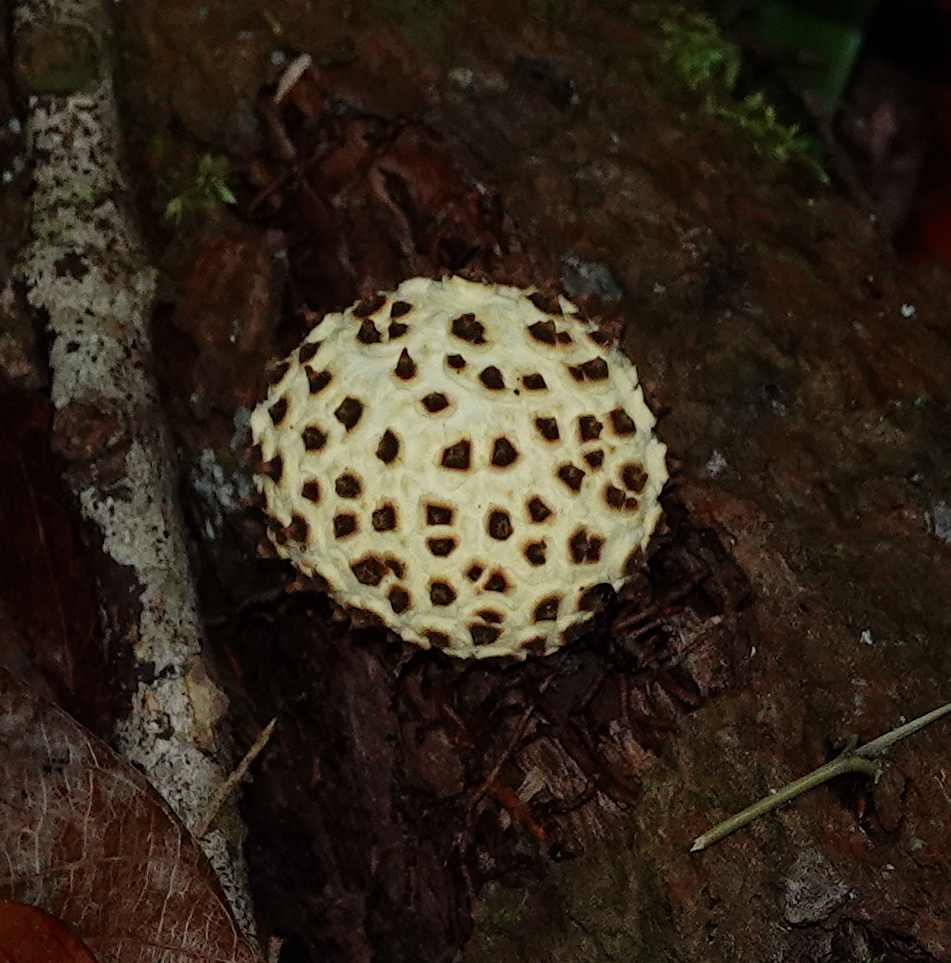
Leopard Earthballs feature a yellowish-brown outer skin broken into small, distinct raised patches surrounded by dark borders, creating a striking spotted pattern. Found growing directly on soil or moss in deciduous woodlands, these rounded fungi lack stems and remain firm until their interior matures into a powdery dark brown spore mass. Once mature, a jagged opening tears at the top, allowing falling raindrops to puff spores into the air.
FungusSpottedToxic
 1 / 7
1 / 7—observations
—countries
—peak records
Not EvaluatedConservation statusIUCN Red List categoriesLCNTVUENCREWEXNot Evaluated — not placed on the risk ladderRed List categories, explained →
Diet & prey
- Tree root nutrients
Predators
- Slugs
- Fungus gnats
ThreatsHabitat loss
HabitatsDeciduous forests, mossy banks, woodland paths
Life spanFruiting body lasts several weeks
Classification
- OrderBoletales
- FamilySclerodermataceae
- GenusScleroderma
- SpeciesScleroderma areolatum
Range data is not available yet.
Interaction riskHigh
- Low
- Moderate
- High
- Very high
- Why interaction risk is high
- Toxic if ingested; wild fungi have dangerous look-alikes, so never consume wild mushrooms based on app identification.
- Why it is dangerous
- Contains toxins that cause severe gastrointestinal distress, pain, and vomiting if swallowed.
- How to recognize a risky encounter
- Look for small, stemless rounded bodies with dark-bordered brown scales and a firm dark interior.
- What to do
- Do not harvest or ingest; observe in place and wash hands after touching wild fungi.
Responsible observation
- Field Identification: Examine the leopard-like scales on the outer skin with a hand lens.
- Spore Dispersal: Avoid squeezing mature earthballs, as the dense clouds of spores can irritate lungs.
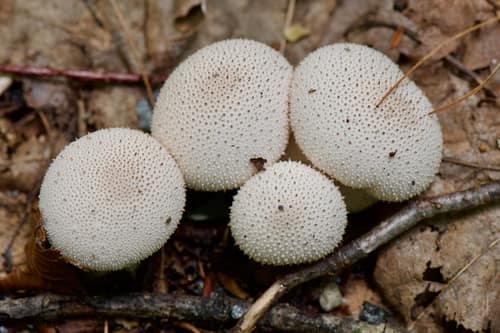
Look-Alike (c) Michael Nerrie, some rights reserved (CC BY), uploaded by Michael Nerrie · cc-by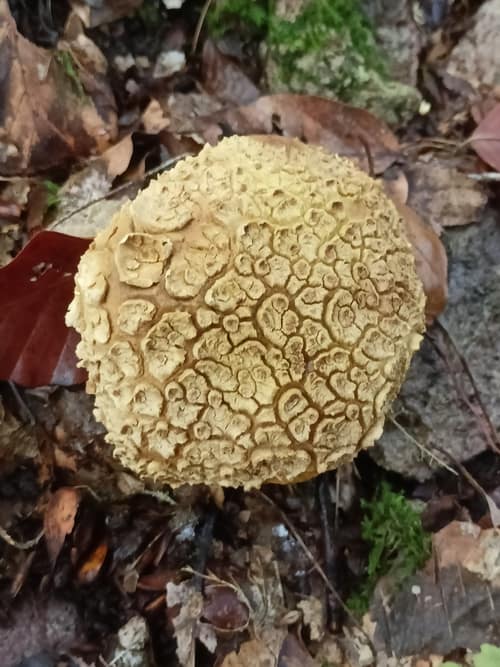
Close Relative (c) Malte Krömer, some rights reserved (CC BY), uploaded by Malte Krömer · cc-by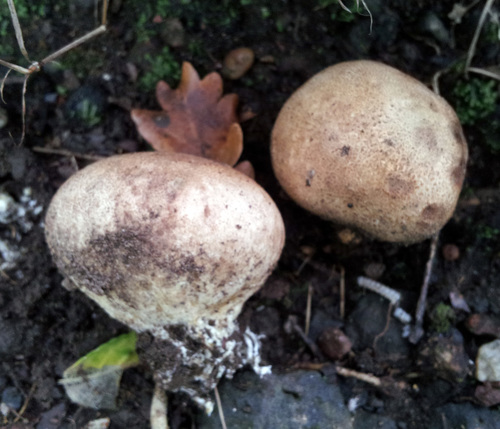
Close Relative no rights reserved, uploaded by Peter de Lange · cc0
Help improve the field guideSomething wrong?
Checking your Fauna account…Report a name, category, or profile issue for review.