
Fungus · GBIF taxon 5239919
Blue-staining Slippery Jack
Suillus tomentosusAlso known as Poor Man's Slippery Jack, Woolly-Capped Suillus
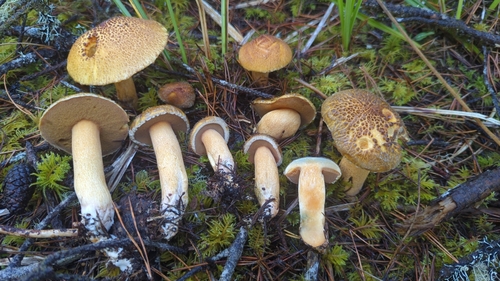
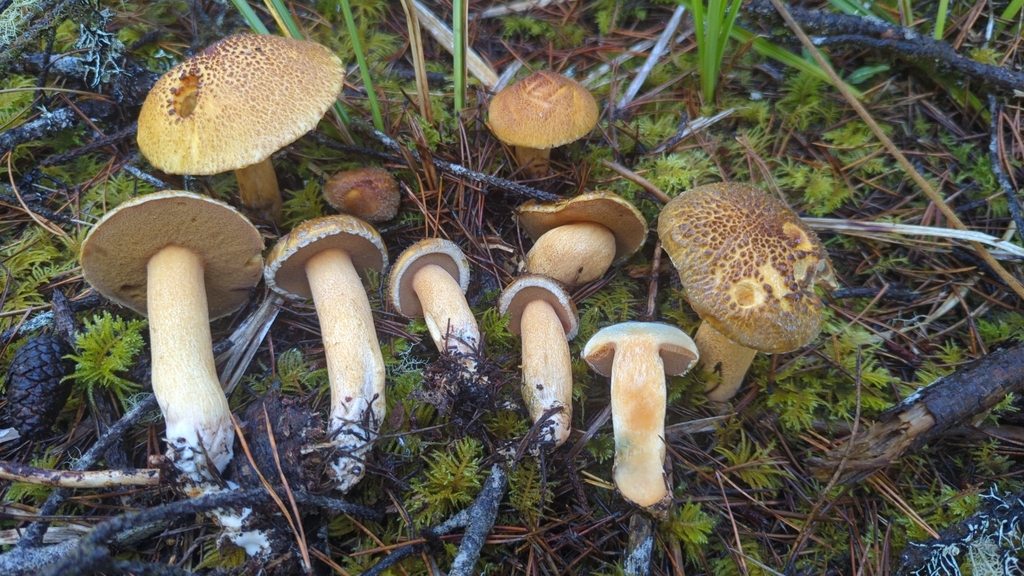
Forming beneficial mycorrhizal partnerships with lodgepole and jack pines across North American coniferous forests, this distinctive bolete helps host trees absorb vital soil nutrients. Its pale yellow to brownish cap is covered in fibrous, woolly scales, while the yellow pore surface immediately turns blue when bruised or cut. During moist autumn weather, fruit bodies emerge in clusters among pine needles and moss beds.
FungusMycorrhizalForest Floor
 1 / 7
1 / 7—observations
—countries
—peak records
Not EvaluatedConservation statusIUCN Red List categoriesLCNTVUENCREWEXNot Evaluated — not placed on the risk ladderRed List categories, explained →
Diet & prey
- Mycorrhizal
Predators
- Fungus Gnats
- Slugs
- Squirrels
ThreatsDeforestation and intense forest fires
HabitatsConiferous forests, pine woodlands, sandy soils
Life spanPerennial mycelium; fruit bodies last 1–2 weeks
Size / weightNot available
Classification
- OrderBoletales
- FamilySuillaceae
- GenusSuillus
- SpeciesSuillus tomentosus
Range data is not available yet.
Interaction riskLow
- Low
- Moderate
- High
- Very high
- Why interaction risk is low
- Many edible mushrooms have toxic look-alikes; never eat wild fungi based on app identification alone.
Responsible observation
- Observing color changes: Gently press the soft yellow pore surface to watch the rapid blue staining reaction.
- Locating specimens: Search beneath lodgepole pine needles during damp late-summer and fall conditions.
- Examining cap texture: Note the mat of fibrous, brownish scales covering the sticky yellow surface.
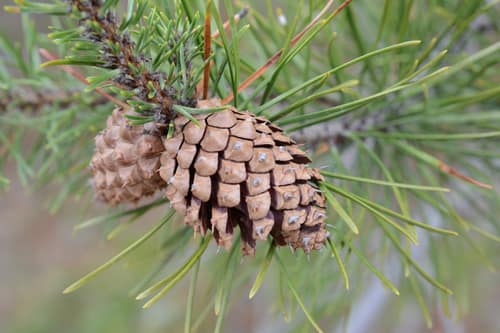
Mycorrhizal Host (c) Alison Northup, some rights reserved (CC BY), uploaded by Alison Northup · cc-by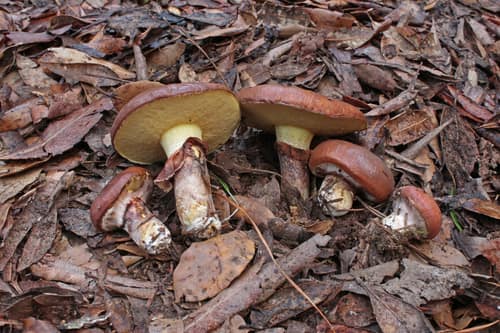
Close Relative (c) Davide Puddu, some rights reserved (CC BY), uploaded by Davide Puddu · cc-by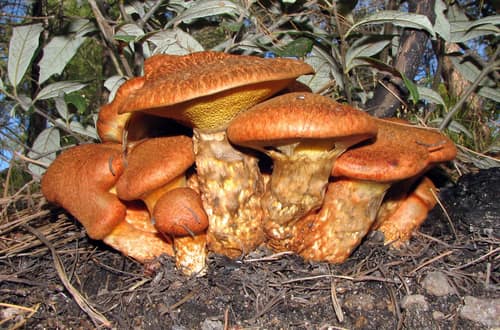
Close Relative (c) Katja Schulz, some rights reserved (CC BY) · cc-by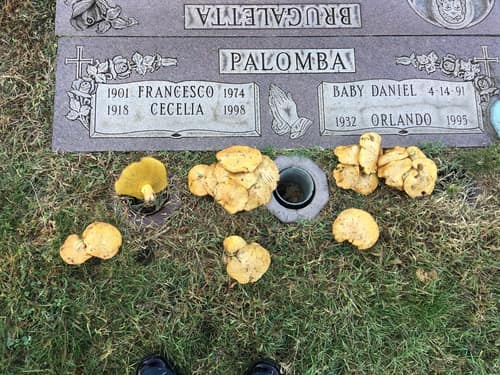
Close Relative no rights reserved · cc0
Keep collecting in Fauna
Found in Collections
Species set Pro
Fungi Forager
Blue-staining Slippery Jack is found in this collection. Identify it in Fauna to fill this slot and continue your progress.
Unlock to track progress
Help improve the field guideSomething wrong?
Checking your Fauna account…Report a name, category, or profile issue for review.