
Fungus · GBIF taxon 5239864
Larch Bolete
Suillus grevilleiAlso known as Tamarack Jack, Greville's Bolete
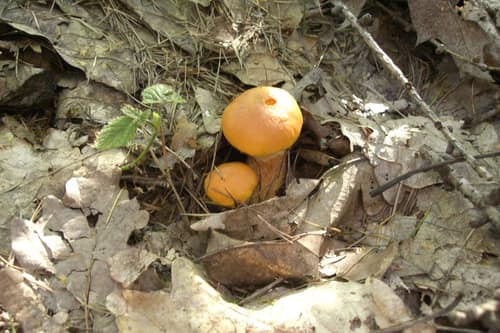
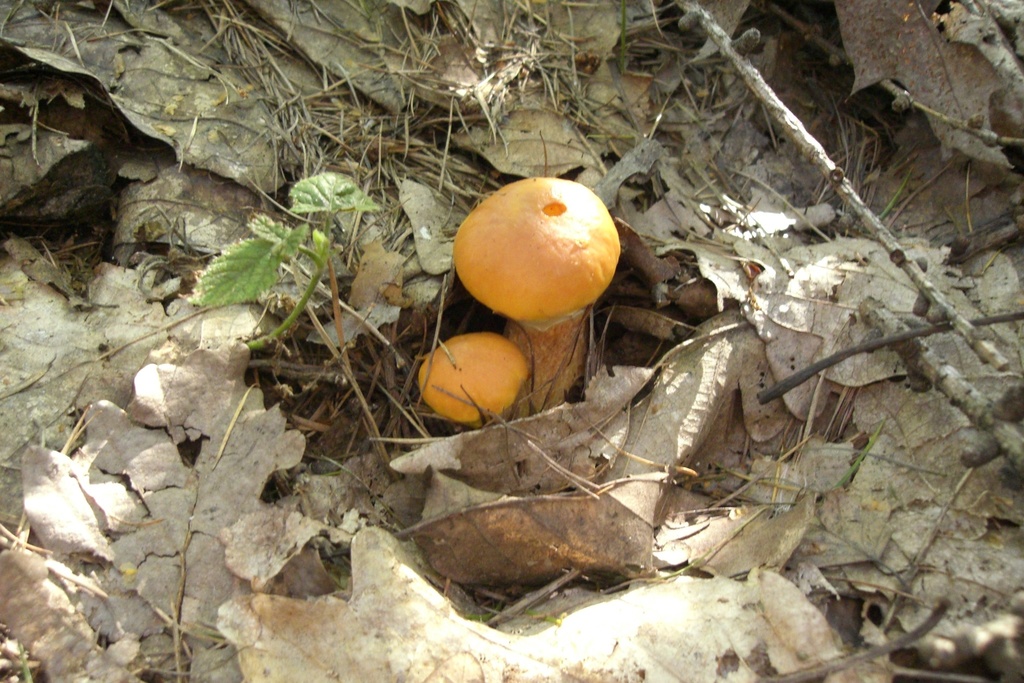
Larch boletes emerge in late summer and autumn exclusively beneath larch trees, forming an obligatory symbiotic partnership with their root systems. Their caps display a brilliant yellow to reddish-orange coat covered in a protective layer of slippery slime during damp weather. Beneath the cap, bright yellow pores release spores before fading to a dull cinnamon hue as the fruiting body matures.
FungusMycorrhizalSticky Cap
—observations
—countries
—peak records
Least ConcernConservation statusIUCN Red List categoriesLCNTVUENCREWEXLeast ConcernRed List categories, explained →
Diet & prey
- Mycorrhizal (symbiotic with larch trees)
Predators
- Slugs
- Fungus Gnats
- Squirrels
ThreatsDeforestation and clear-cutting of larch host trees
HabitatsLarch forests, mixed woods containing Larix species, tree plantations
Life spanFruiting bodies persist 4–8 days; underground mycelium lives for decades
Size / weightNot available
Classification
- FamilySuillaceae
- SpeciesSuillus grevillei
Range data is not available yet.
Interaction riskLow
- Low
- Moderate
- High
- Very high
- Why interaction risk is low
- Many edible mushrooms have toxic look-alikes; never eat wild fungi based on app identification alone.
Responsible observation
- Look Near Larches: Search around larch or tamarack trees, as this species forms mandatory symbiotic bonds with their roots.
- Inspect the Ring: Check the upper stem for a woolly or membranous ring left behind by the partial veil.
- Examine the Cap Slime: Feel the sticky or slimy cap texture, which is especially noticeable in wet weather.
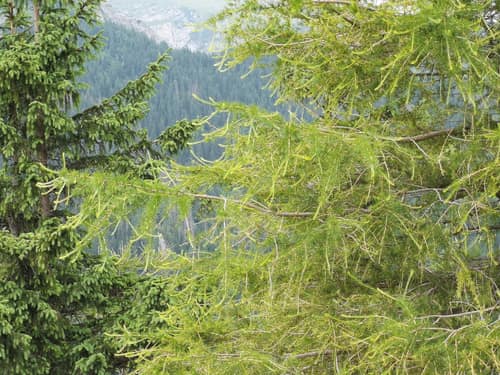
Host Plant (c) Jens-Christian Svenning, some rights reserved (CC BY), uploaded by Jens-Christian Svenning · cc-by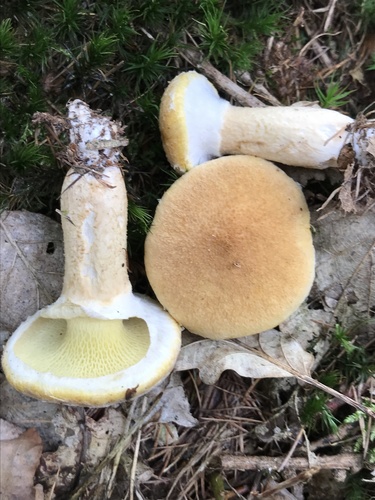
Close Relative no rights reserved · cc0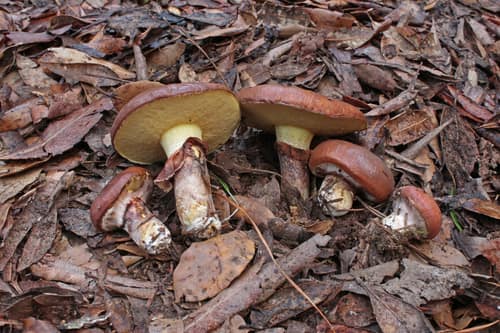
Close Relative (c) Davide Puddu, some rights reserved (CC BY), uploaded by Davide Puddu · cc-by
Help improve the field guideSomething wrong?
Checking your Fauna account…Report a name, category, or profile issue for review.