
Fungus
Red-cage Fungus
Clathrus ruberAlso known as Latticed Stinkhorn, Basket Stinkhorn, Red Cage
Emerging from a pale, gelatinous egg buried in soil or leaf litter, the red-cage fungus rapidly expands into a striking, bright orange to crimson lattice shaped like a hollow basket. The interior of the lattice branches is coated in a sticky, foul-smelling brownish gleba that smells strongly of rotting flesh. This putrid odor lures flies and carrion beetles, which crawl over the gooey slime and transport the fungal spores to new locations.
FungusSaprobicDistinctive Odor
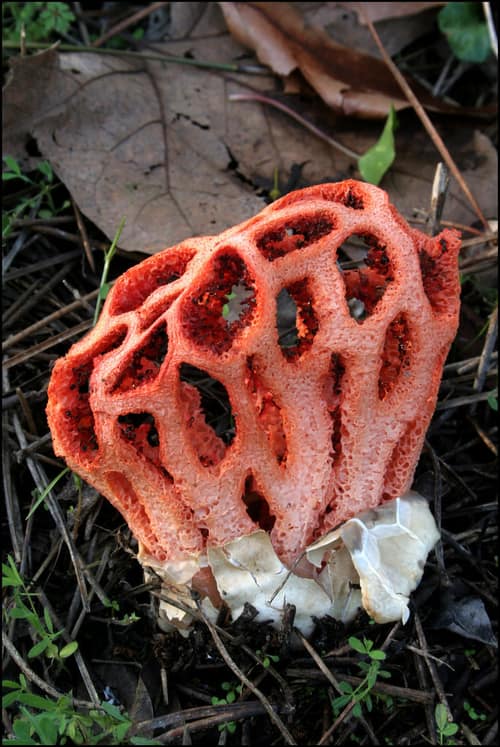
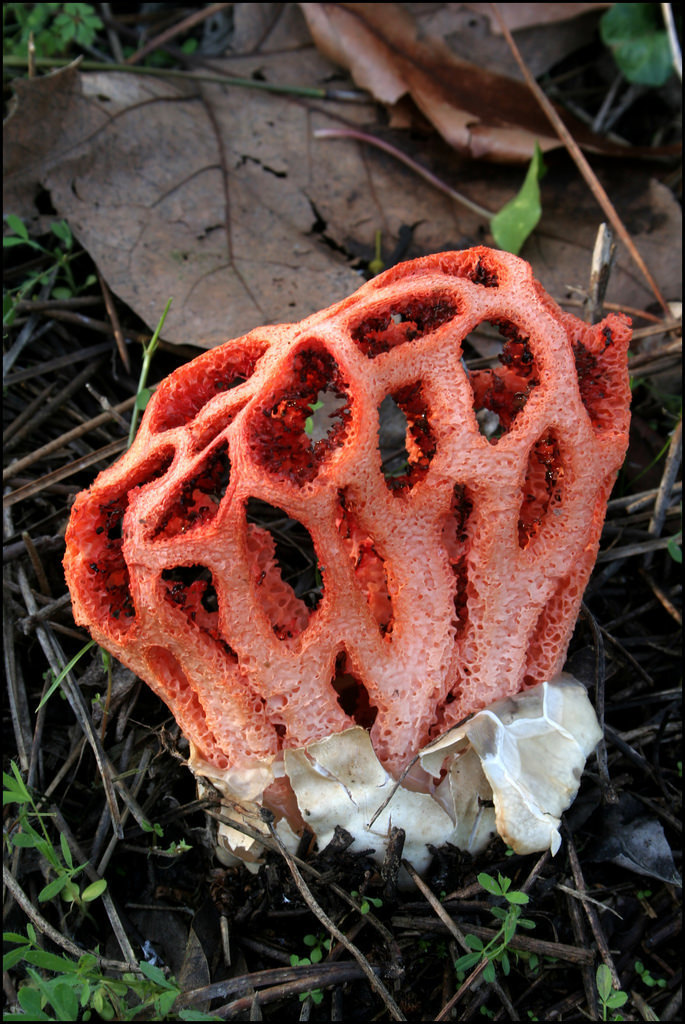
—observations
—countries
—peak records
Not EvaluatedConservation statusIUCN Red List categoriesLCNTVUENCREWEXNot Evaluated — not placed on the risk ladderRed List categories, explained →
Diet & preySaprobic (decomposing wood chips, mulch, and leaf litter)
Predators
- Flies
- Carrion Beetles
- Slugs
ThreatsFungicide use and intense landscape management
HabitatsLandscaped garden beds, damp woodlands, leaf mold, and woodchip piles
Life spanFruiting body lasts only 1 to 2 days after expanding
Classification
- FamilyPhallaceae
- SpeciesClathrus ruber
Range data is not available yet.
Interaction riskLow
- Low
- Moderate
- High
- Very high
- Why interaction risk is low
- Many wild fungi have toxic look-alikes; never eat wild mushrooms based on app identification alone.
Responsible observation
- Track the scent: Follow the rotten meat smell in damp garden beds to spot hidden specimens.
- Look for eggs: Search surrounding leaf litter for white, rubbery egg-stage structures about to burst.
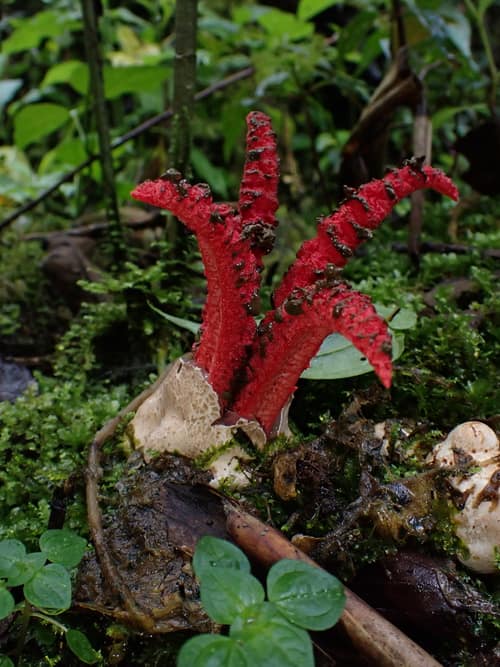
Close Relative (c) Nolan Exe, some rights reserved (CC BY), uploaded by Nolan Exe · cc-by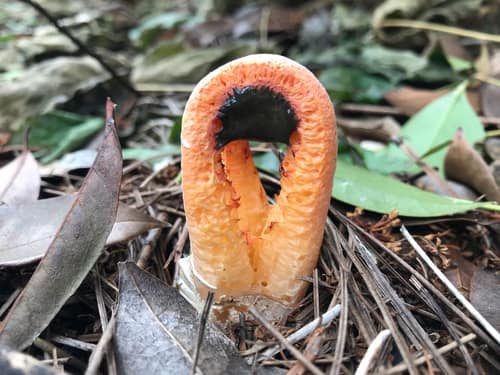
Close Relative (c) Amber M. King, some rights reserved (CC BY), uploaded by Amber M. King · cc-by
Family Member Jörg Hempel / CC BY-SA 3.0 de · cc-by-sa
Family Member (c) Tina Ellegaard Poulsen, some rights reserved (CC BY), uploaded by Tina Ellegaard Poulsen · cc-by
Help improve the field guideSomething wrong?
Checking your Fauna account…Report a name, category, or profile issue for review.