
Fungus · GBIF taxon 5238688
Coral Fungus
Ramaria sanguineaAlso known as Bleeding Coral, Bloody Coral
Bleeding coral fungi produce intricate, branch-like fruiting bodies that emerge from moist forest soils during late summer and autumn. These mushrooms derive their common name from the distinct reddish staining that appears where pale branches or stems are bruised or damaged. As mycorrhizal fungi, they form vital underground partnerships with the roots of surrounding trees, exchanging water and minerals for sugars.
FungusCoral-likeWoodland
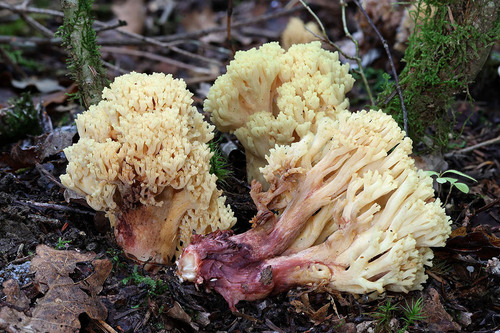
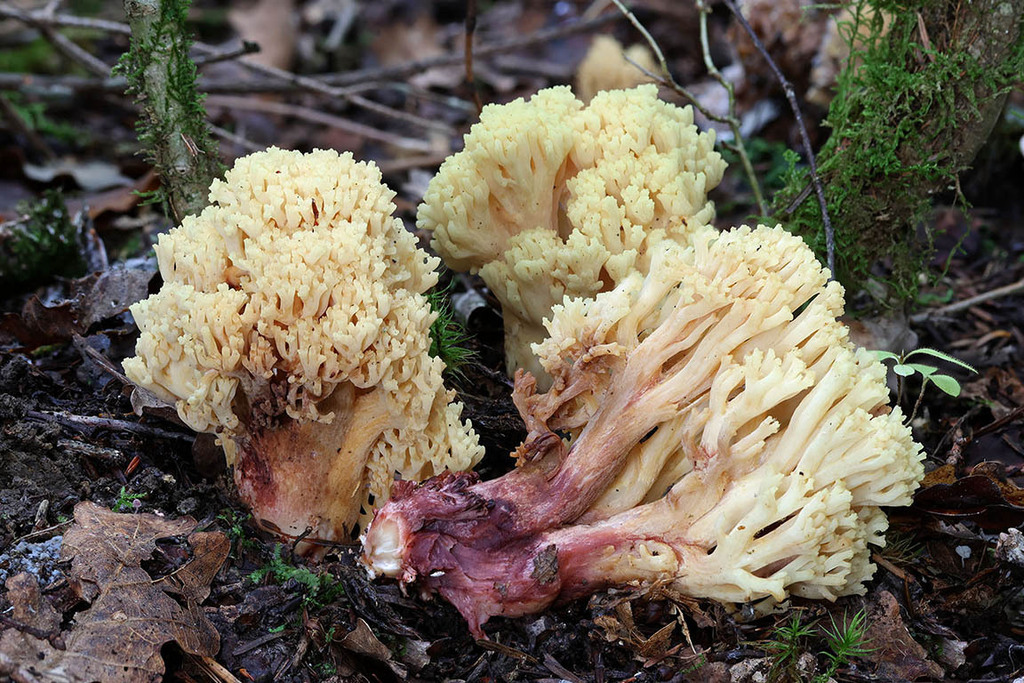
—observations
—countries
—peak records
Not EvaluatedConservation statusIUCN Red List categoriesLCNTVUENCREWEXNot Evaluated — not placed on the risk ladderRed List categories, explained →
Diet & prey
- Mycorrhizal
Predators
- Slugs
- Fungus gnats
- Small rodents
ThreatsHabitat loss, deforestation, soil compaction
HabitatsDeciduous and mixed woodland floors, leaf litter
Life spanFruiting body lasts 1–3 weeks; underground mycelium persists indefinitely
Size / weightNot available
Classification
- FamilyGomphaceae
- SpeciesRamaria sanguinea
Range data is not available yet.
Interaction riskLow
- Low
- Moderate
- High
- Very high
- Why interaction risk is low
- Many coral mushrooms have toxic look-alikes; never ingest wild fungi based on app identification alone.
Responsible observation
- Observe Staining: Gently scratch the base to see the reddish discoloration that gives this species its name.
- Examine Forest Soil: Search around mature hardwoods in damp leaf litter after autumn rains.
- Leave Intact: Keep the fruiting body in place so it can release spores into the surrounding forest.
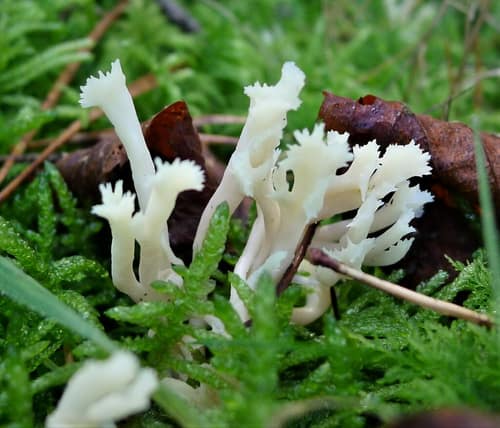
Look-alike (c) gailhampshire, some rights reserved (CC BY) · cc-by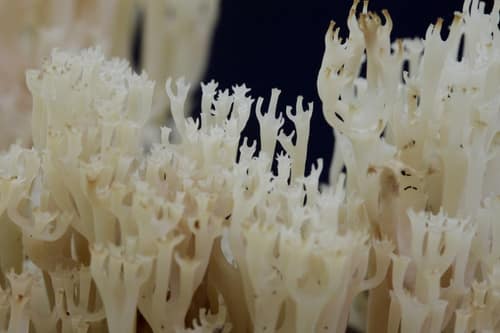
Look-alike (c) Fluff Berger, some rights reserved (CC BY-SA), uploaded by Fluff Berger · cc-by-sa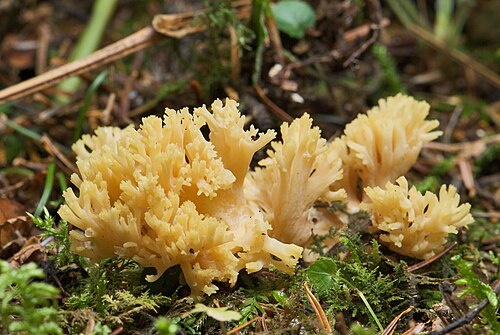
Close Relative Bernie / Public domain · cc0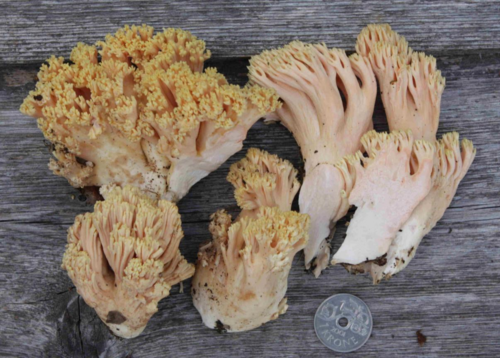
Close Relative Kristin Brandrud / CC BY 4.0 · cc-by
Help improve the field guideSomething wrong?
Checking your Fauna account…Report a name, category, or profile issue for review.