
Fungus
Ramaria flava
Ramaria flavaAlso known as Changle, Yellow Coral Fungus
Dense clusters of sulfur-yellow to golden branches emerge from a thick, whitish basal trunk, creating intricate structures reminiscent of marine corals. These fruiting bodies form essential mycorrhizal partnerships with forest trees, exchanging underground nutrients and water for photosynthesized sugars. Spores mature along the smooth outer surfaces of the upright branch tips before dispersing on cool forest drafts in late summer and autumn.
FungusMycorrhizalWoodland
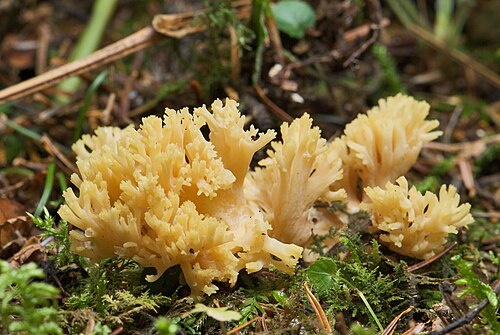
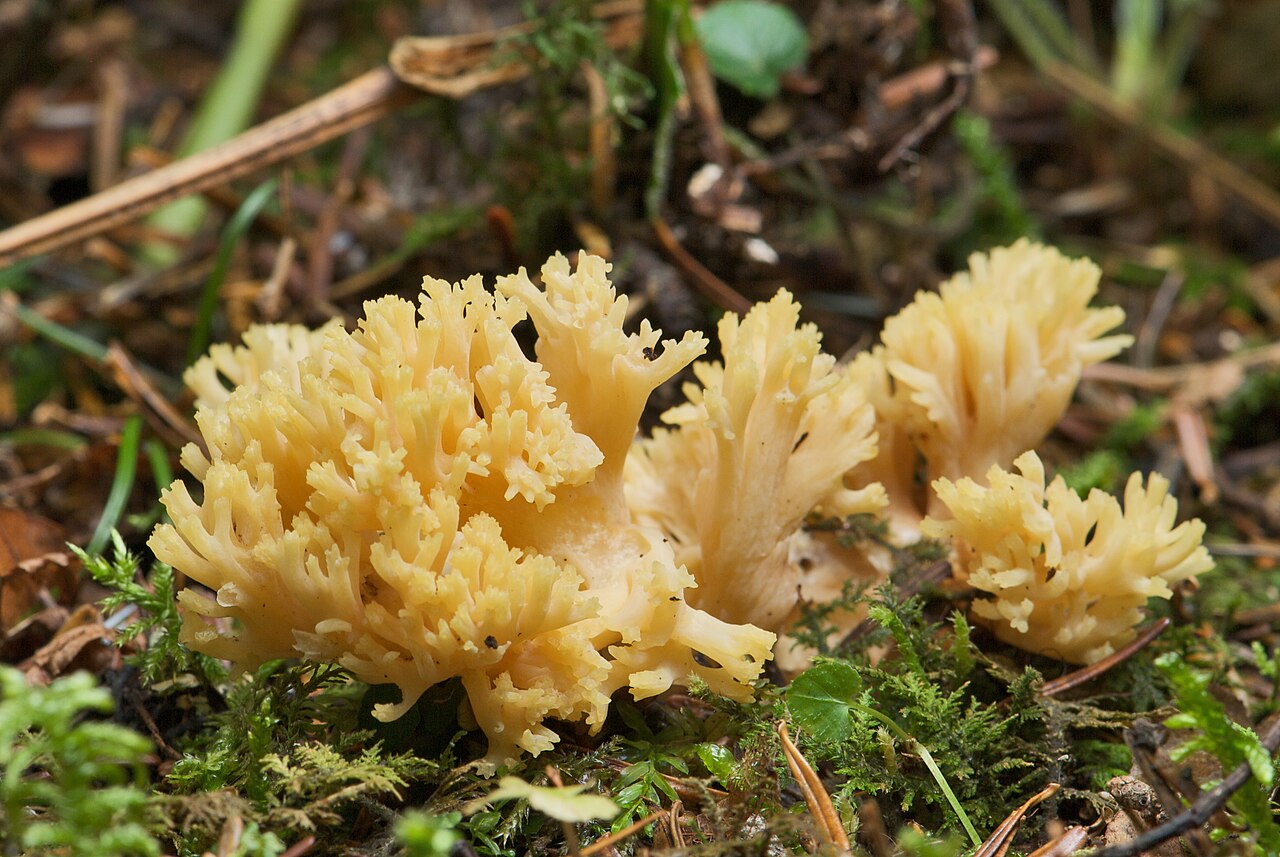
—observations
—countries
—peak records
Not EvaluatedConservation statusIUCN Red List categoriesLCNTVUENCREWEXNot Evaluated — not placed on the risk ladderRed List categories, explained →
Diet & preyMycorrhizal nutrient exchange with host trees
Predators
- Slugs
- Fungus gnat larvae
- Woodland rodents
ThreatsHabitat loss, clear-cutting, and heavy soil compaction
HabitatsTemperate deciduous, mixed, and southern beech forests
Life spanFruiting body lasts 1–3 weeks; mycelium lives indefinitely
Classification
- OrderGomphales
- FamilyGomphaceae
- GenusRamaria
- SpeciesRamaria flava
Range data is not available yet.
Interaction riskLow
- Low
- Moderate
- High
- Very high
- Why interaction risk is low
- Many coral mushrooms have toxic look-alikes; never eat wild fungi based on app identification alone.
Responsible observation
- Spore Prints: Lay a fresh branch tip over dark paper under a glass dome to reveal pale ochre spores.
- Habitat Inspection: Look closely around the base of mature beech and oak trees after steady autumn rains.
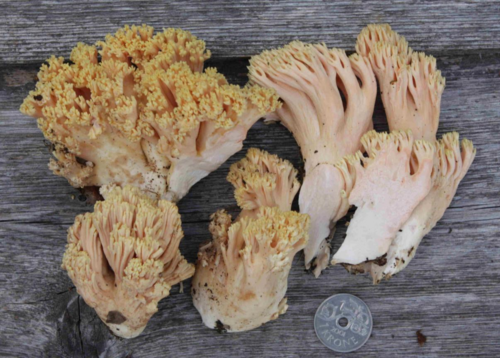
Toxic Look-alike Kristin Brandrud / CC BY 4.0 · cc-by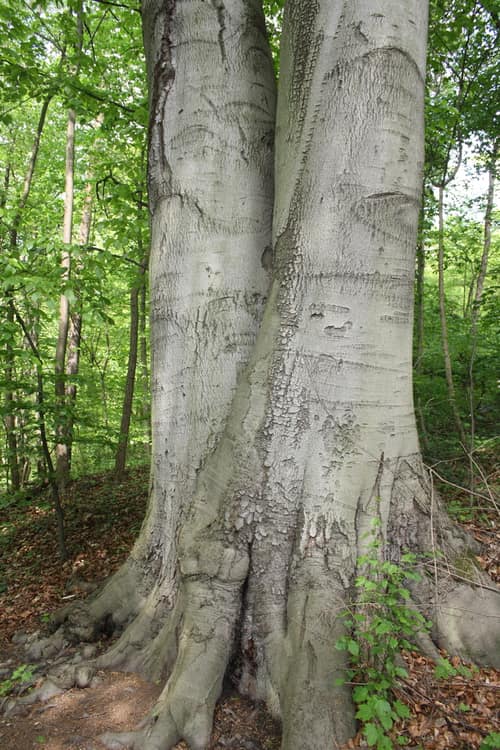
Host Tree (c) Daniel Linzbauer, some rights reserved (CC BY), uploaded by Daniel Linzbauer · cc-by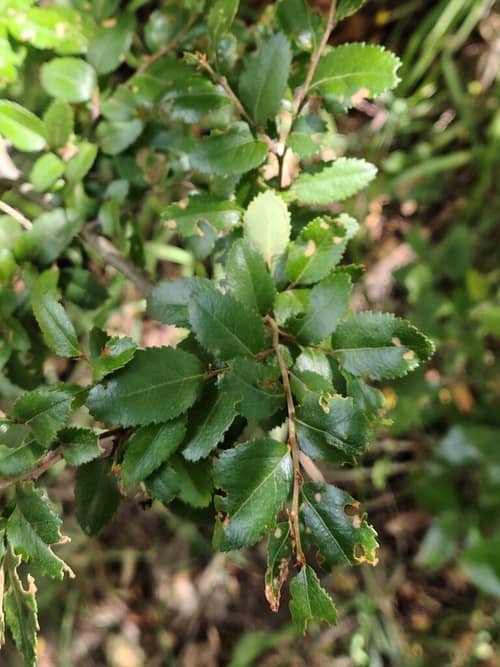
Host Tree (c) Felipe Horton, some rights reserved (CC BY) · cc-by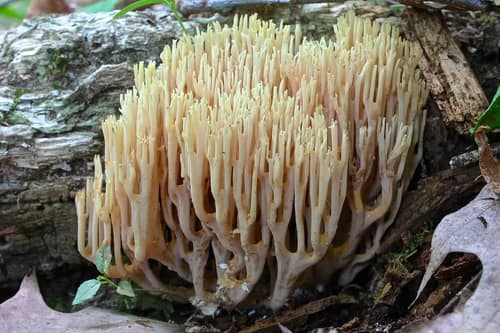
Close Relative (c) Fluff Berger, some rights reserved (CC BY-SA), uploaded by Fluff Berger · cc-by-sa
Help improve the field guideSomething wrong?
Checking your Fauna account…Report a name, category, or profile issue for review.