
Fungus
Snow Fungus
Tremella fuciformisAlso known as Silver Ear Fungus, White Jelly Mushroom, Snow Ear, White Cloud Ears
Snow fungus forms delicate, translucent, ruffled masses resembling submerged marine algae or frozen rosettes clinging to decaying hardwood. Rather than decomposing dead wood directly, this gelatinous fungus operates as a mycoparasite, invading and feeding upon the hidden mycelium of wood-decaying Pyrenomycetes such as Annulohypoxylon. In dry conditions, the glistening white fronds shrivel into a thin, inconspicuous crust, only to revive into full, soft gelatin within hours of rainfall.
Jelly FungusParasitic FungusTranslucent
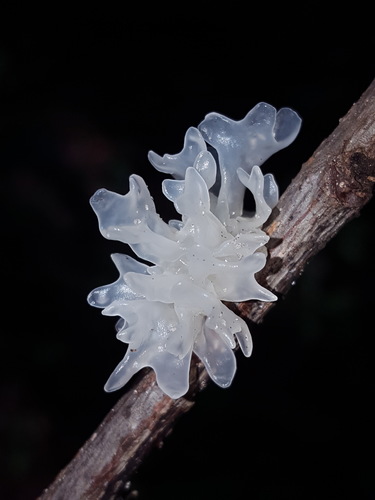
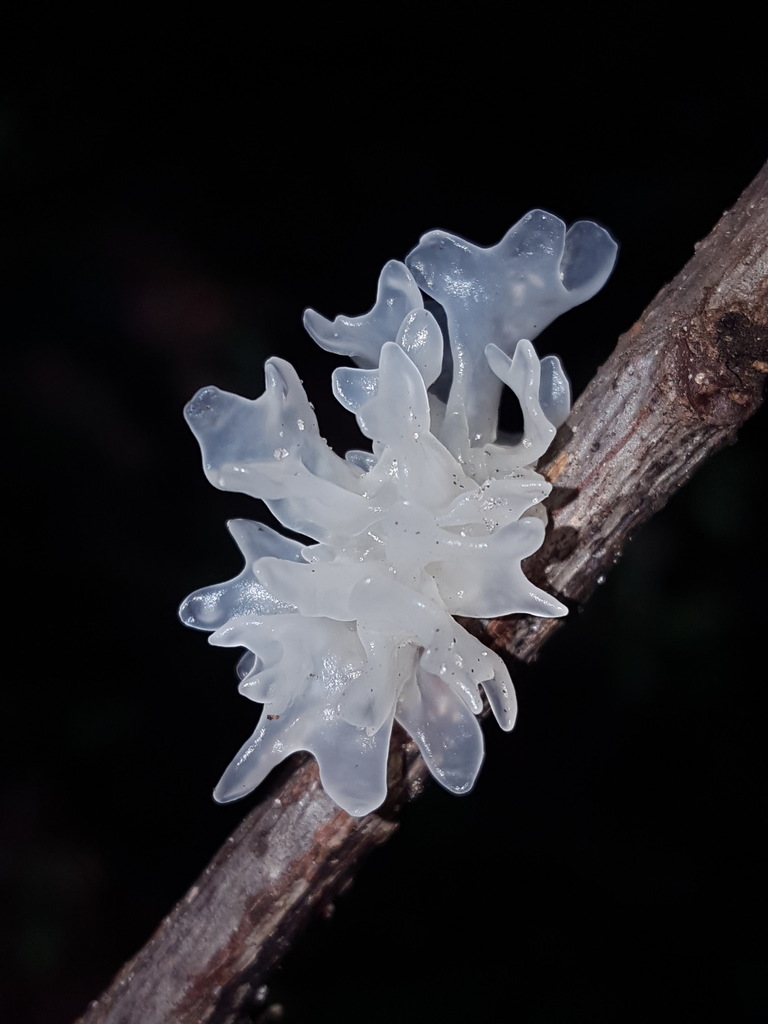
—observations
—countries
—peak records
Not EvaluatedConservation statusIUCN Red List categoriesLCNTVUENCREWEXNot Evaluated — not placed on the risk ladderRed List categories, explained →
Diet & preyAnnulohypoxylon archeri mycelium, Hypoxylon mycelium
Predators
- Slugs
- Fungus gnats
- Pleasing fungus beetles
ThreatsDeforestation and clear-cutting of mature mixed-hardwood canopies
HabitatsSubtropical and tropical broadleaf woodlands on fallen hardwood branches
Life spanFruit body persists 1–3 weeks; mycelium survives multiple years
Classification
- FamilyTremellaceae
- SpeciesTremella fuciformis
Range data is not available yet.
Interaction riskLow
- Low
- Moderate
- High
- Very high
- Why interaction risk is low
- Many edible mushrooms have toxic look-alikes; never eat wild fungi based on app identification alone.
Responsible observation
- Spotting Texture: Look for ruffled, sea-sponge-like white clusters on fallen hardwood logs after summer rains.
- Observing Hydration: Check back on dried specimens after precipitation to watch the shriveled mass re-swell into translucent fronds.
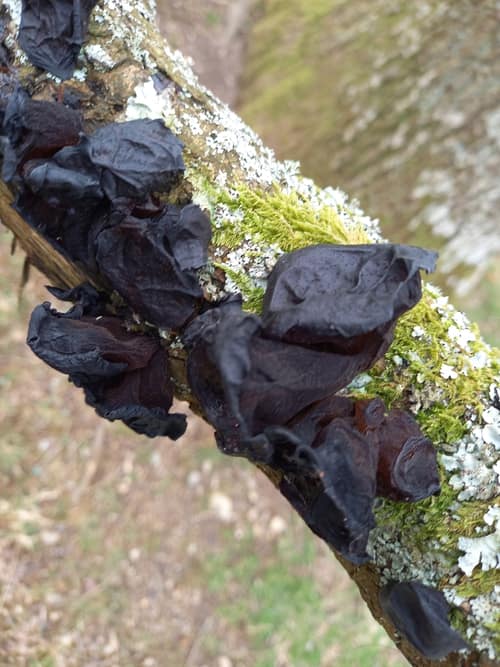
Same Order (c) sugarsnap_t, some rights reserved (CC BY), uploaded by sugarsnap_t · cc-by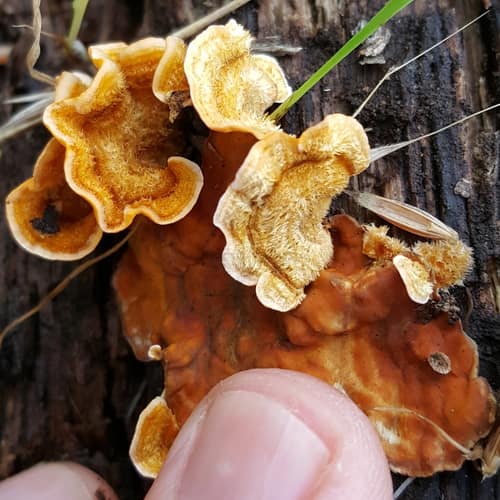
Ecological Neighbor (c) Justin Johnsen, some rights reserved (CC BY) · cc-by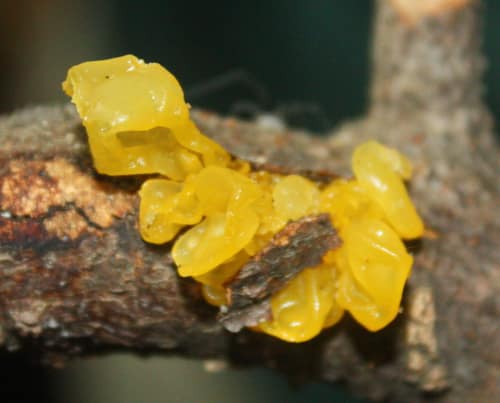
Close Relative no rights reserved · cc0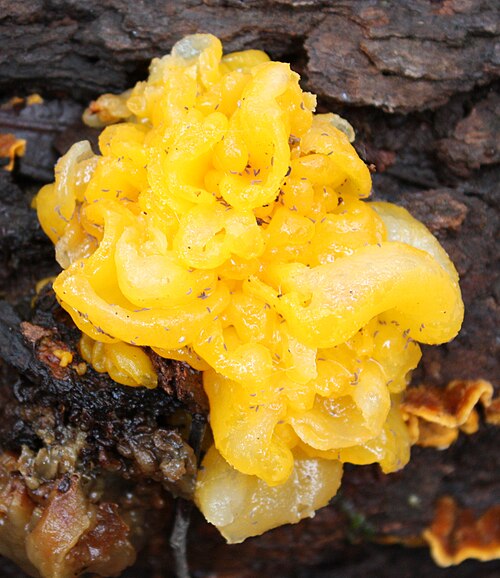
Close Relative Hesperian / CC BY-SA 3.0 · cc-by-sa
Help improve the field guideSomething wrong?
Checking your Fauna account…Report a name, category, or profile issue for review.