
Invertebrate
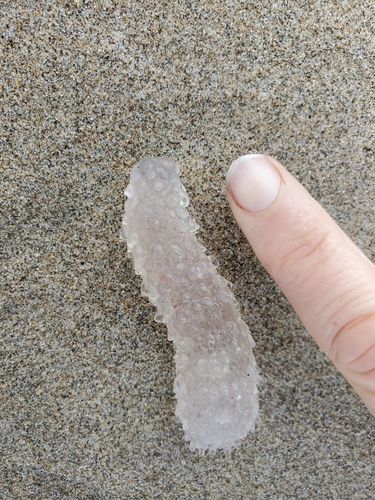
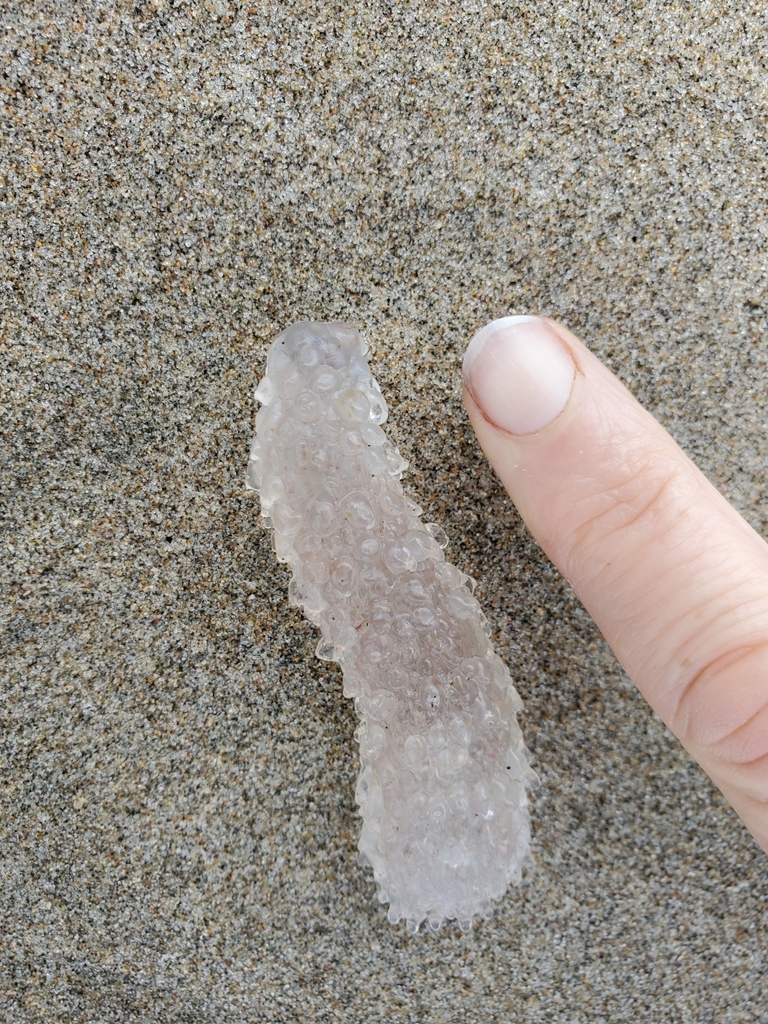
Pyrosoma atlanticum
Pyrosoma atlanticumAlso known as Atlantic Pyrosome, Sea Pickle
Floating as a hollow, translucent cylinder through open ocean waters, this colonial creature is composed of thousands of cloned zooids arranged around a shared central cavity. Each individual zooid pumps water through its own feeding basket into the interior tube, generating a gentle collective jet propulsion that drives extensive daily vertical migrations from deep water to the surface. When disturbed by mechanical pressure or nearby light, the entire colony responds with intense, coordinated waves of blue-green bioluminescence across its tunic.
BioluminescentColonialPelagic
—observations
—countries
—peak records
Not EvaluatedConservation statusIUCN Red List categoriesLCNTVUENCREWEXNot Evaluated — not placed on the risk ladderRed List categories, explained →
Diet & preyDiatoms, Dinoflagellates, Picoplankton
Predators
- Ocean sunfish
- Loggerhead sea turtle
- Blue shark
ThreatsOcean warming, shifting marine currents, and marine plastic pollution
HabitatsPelagic open ocean waters across temperate, subtropical, and tropical zones
Life spanSeveral weeks to a few months
Classification
- OrderPyrosomatida
- FamilyPyrosomatidae
- GenusPyrosoma
- SpeciesPyrosoma atlanticum
Range data is not available yet.
Interaction riskLow
- Low
- Moderate
- High
- Very high
- Why interaction risk is low
- Safe to observe at a normal distance.
Responsible observation
- Night diving: Watch for pale blue-green bioluminescence triggered by nearby water movement.
- Gentle observation: Avoid touching drifting colonies, as their gelatinous walls tear easily.
 Image unavailable
Same Genus 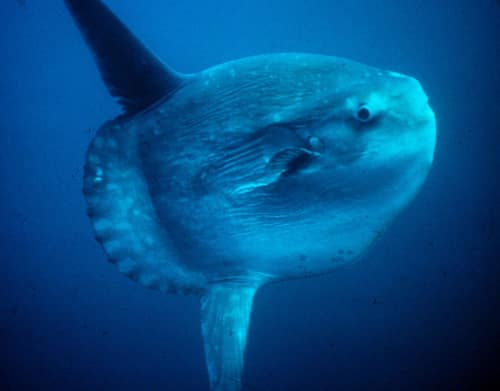
Predator U.S. National Oceanic and Atmospheric Administration / Public domain · cc0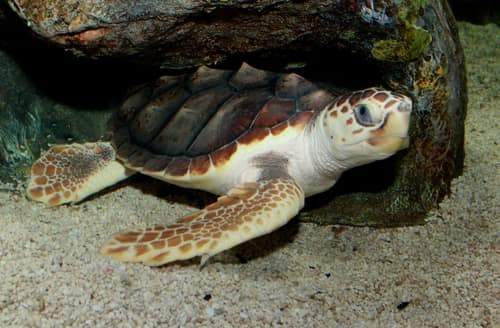
Predator "Loggerhead Sea Turtle (Caretta caretta)" by brian.gratwicke is licensed under CC BY 2.0. To view a copy of this license, visit https://creativecommons.org/licenses/by/2.0/. · cc-by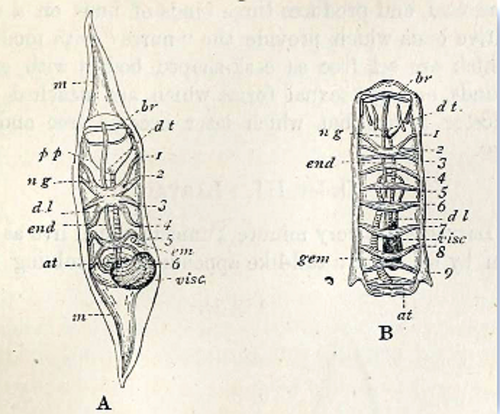
Close Relative British Museum / Public domain · cc0
Help improve the field guideSomething wrong?
Checking your Fauna account…Report a name, category, or profile issue for review.