
Bird · GBIF taxon 5232452
Cackling Goose
Branta hutchinsiiAlso known as Cackler, Richardson's Goose
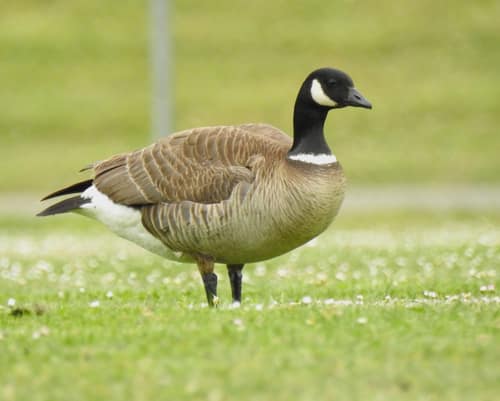
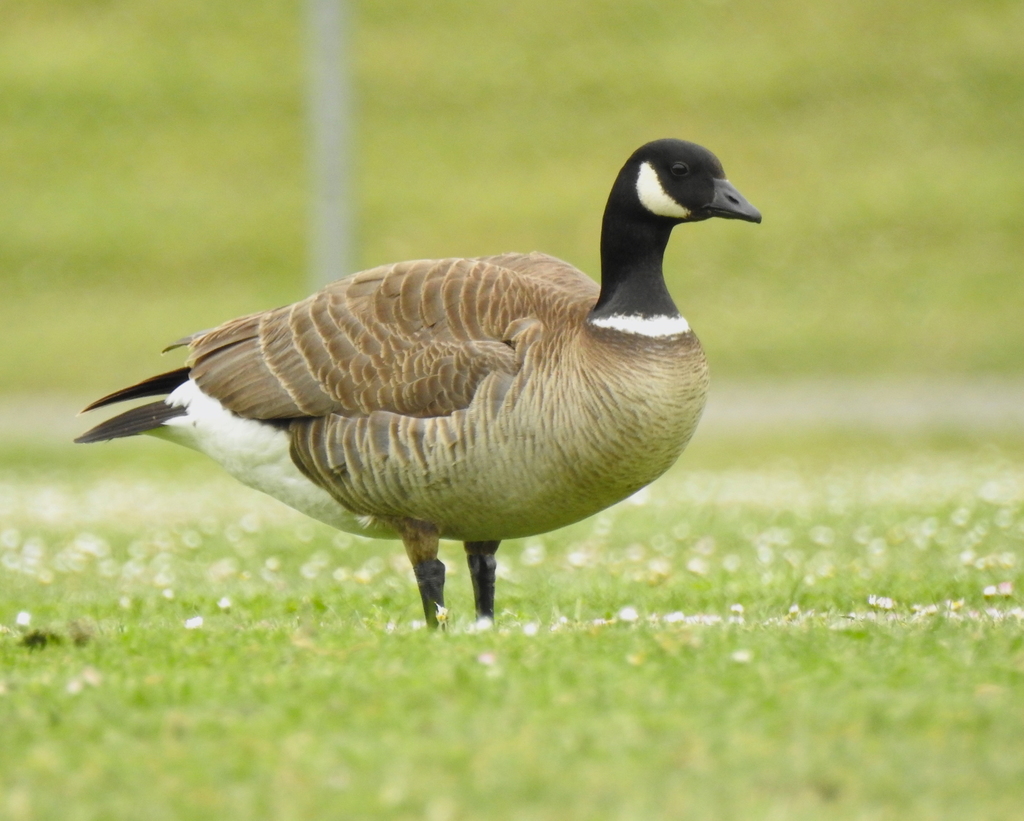
Cackling geese are compact, short-necked waterfowl that nest across arctic tundra and winter in western and central North America. Once classified as a smaller subspecies of the Canada goose, they fly in noisy V-formations, uttering high-pitched, yipping calls that echo over open fields and waterways. Thousands gather in agricultural lands each winter to forage on waste grain, seeds, and tender plant shoots.
MigratoryWaterfowlSocial
—observations
—countries
—peak records
Least ConcernConservation statusIUCN Red List categoriesLCNTVUENCREWEXLeast ConcernRed List categories, explained →
Diet & prey
- Grasses
- Sedges
- Waste Corn
Predators
- Arctic Fox
- Bald Eagle
- Coyote
ThreatsHabitat alteration, severe storm events, localized hunting pressure
HabitatsArctic tundra, wetlands, agricultural fields, lakes, estuaries
Life span10–25 years
Size / weightNot available
Classification
- FamilyAnatidae
- SpeciesBranta hutchinsii
Range data is not available yet.
Interaction riskLow
- Low
- Moderate
- High
- Very high
- Why interaction risk is low
- Defends nests aggressively by hissing and pecking; maintain distance during breeding season.
- Why it is dangerous
- Territorial adults will charge, hiss, and bite or strike with strong wings to defend eggs and young.
- How to recognize a risky encounter
- Recognizable by its small body, short neck, stubby triangular bill, and squeaky voice.
- What to do
- Keep a safe distance during spring nesting; back away slowly if a goose lowers its neck and hisses.
Responsible observation
- Listen for Calls: Distinguish them from Canada geese by their high-pitched, squeaky yips.
- Scan Winter Flocks: Look for smaller bodies, stubby bills, and shorter necks in mixed flocks.
- Give Space at Nests: Avoid approaching breeding territories near arctic lakes and ponds.
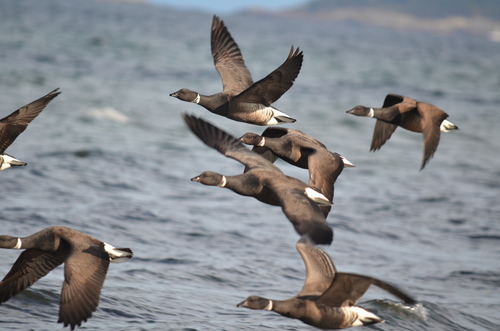
Genus Member (c) Liam Steele, some rights reserved (CC BY), uploaded by Liam Steele · cc-by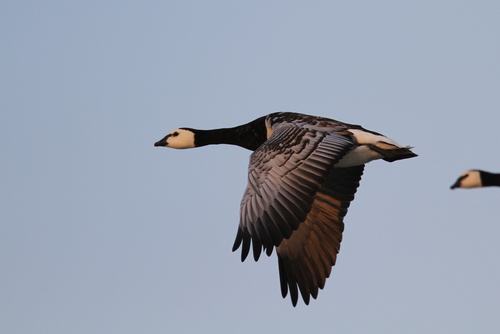
Genus Member (c) Christoph Moning, some rights reserved (CC BY), uploaded by Christoph Moning · cc-by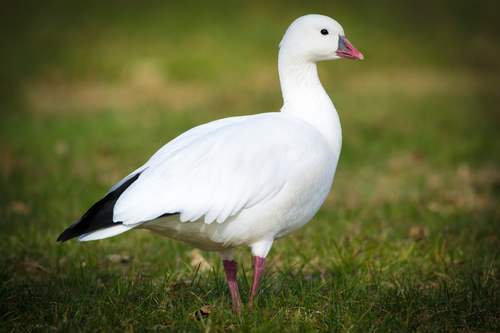
Flock Companion (c) Andrew Cannizzaro, some rights reserved (CC BY), uploaded by Andrew Cannizzaro · cc-by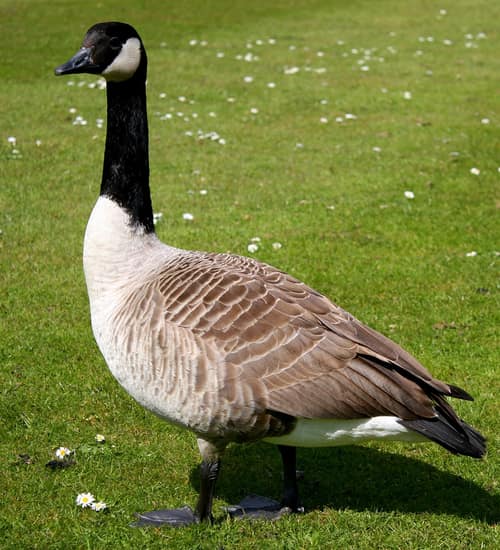
Close Relative Rror / CC BY-SA 3.0 · cc-by-sa
Help improve the field guideSomething wrong?
Checking your Fauna account…Report a name, category, or profile issue for review.