
Bird · GBIF taxon 5232445
Nēnē
Branta sandvicensisAlso known as Hawaiian Goose
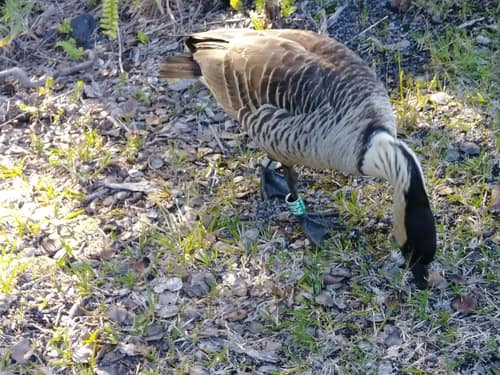
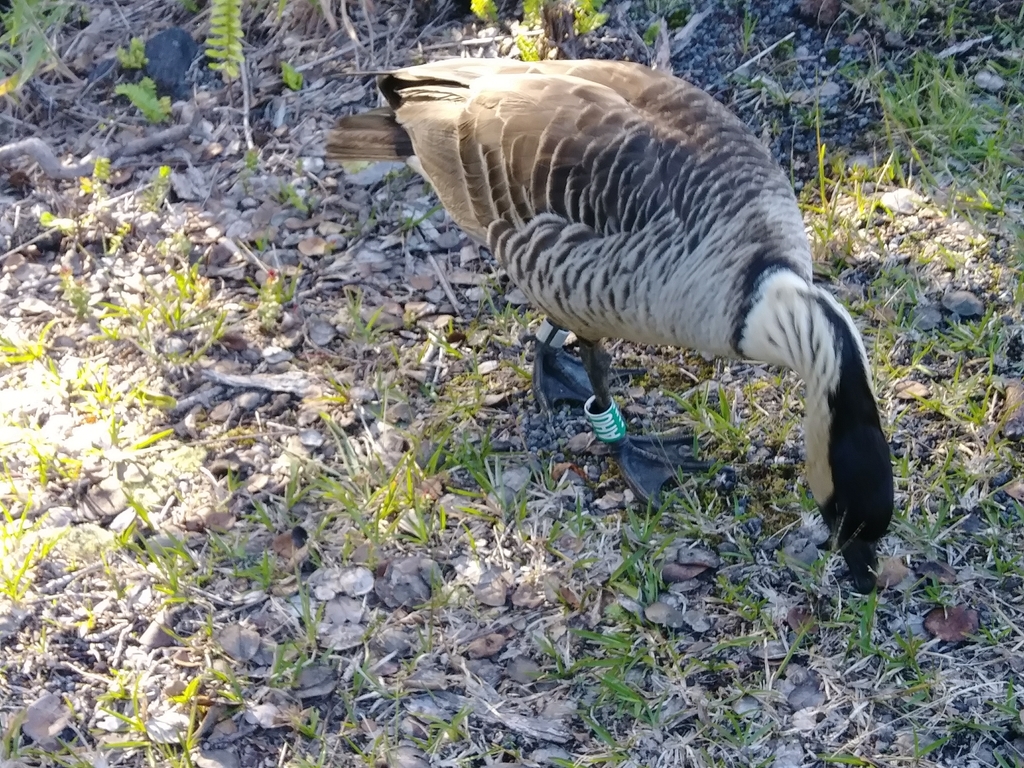
Adaptive Hawaiian geese walk comfortably across rugged lava fields thanks to reduced webbed feet and padded toes. Distinctive diagonal furrows score their buff-colored necks, framing a dark crown and face. Monogamous pairs remain together for years, raising goslings on volcanic slopes and upland grasslands across the Hawaiian Islands.
EndemicGround-NestingWaterfowl
—observations
—countries
—peak records
Near ThreatenedConservation statusIUCN Red List categoriesLCNTVUENCREWEXNear ThreatenedRed List categories, explained →
Diet & prey
- Ohelo Berries
- Pukiawe Berries
- Grass Shoot
Predators
- Small Asian Mongoose
- Feral Cat
- Domestic Dog
ThreatsIntroduced predators, vehicle strikes, habitat loss, low genetic diversity
HabitatsVolcanic slopes, shrublands, grasslands, coastal pastures
Life span10–25 years
Size / weightNot available
Classification
- FamilyAnatidae
- SpeciesBranta sandvicensis
Range data is not available yet.
Interaction riskLow
- Low
- Moderate
- High
- Very high
- Why interaction risk is low
- Nesting adults may hiss or charge if approached; maintain a respectful distance.
- What to notice
- Look for a medium goose with diagonal neck furrows, black face, and reduced foot webbing.
- Support conservation
- Observe quietly from a distance and stay clear of nesting territories or foraging families.
Responsible observation
- Maintain Distance: Stay at least 60 feet away, especially near nesting sites or young goslings.
- Drive Cautiously: Reduce speed in marked crossing zones across Maui, Kauai, and Hawaii Island.
- Never Feed: Avoid offering food, which lures birds toward roads and increases vehicle strike risks.
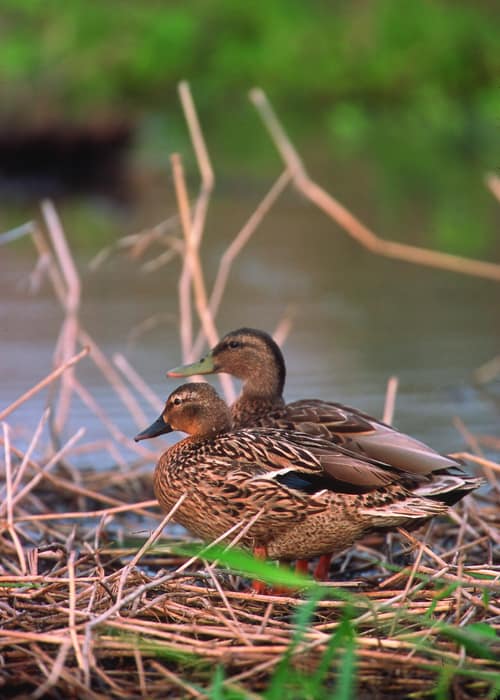
Co-occurring Endemic Photo courtesy of USDA Natural Resources Conservation Service. / Public domain · cc0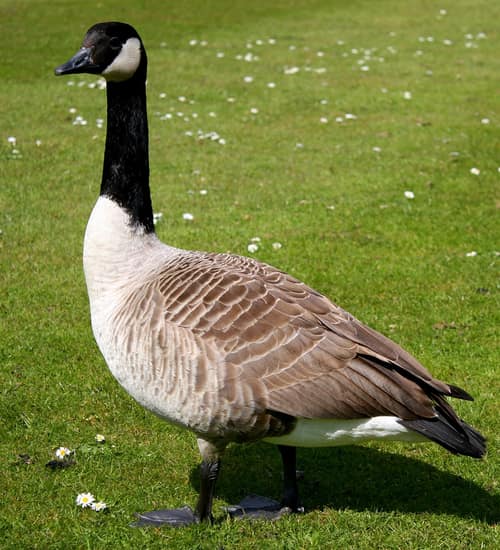
Close Relative Rror / CC BY-SA 3.0 · cc-by-sa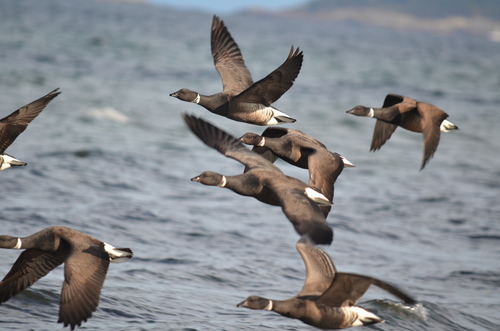
Close Relative (c) Liam Steele, some rights reserved (CC BY), uploaded by Liam Steele · cc-by
Help improve the field guideSomething wrong?
Checking your Fauna account…Report a name, category, or profile issue for review.