
Bird
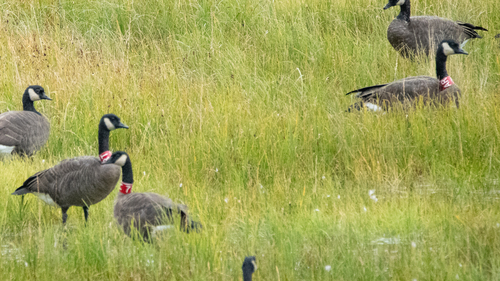
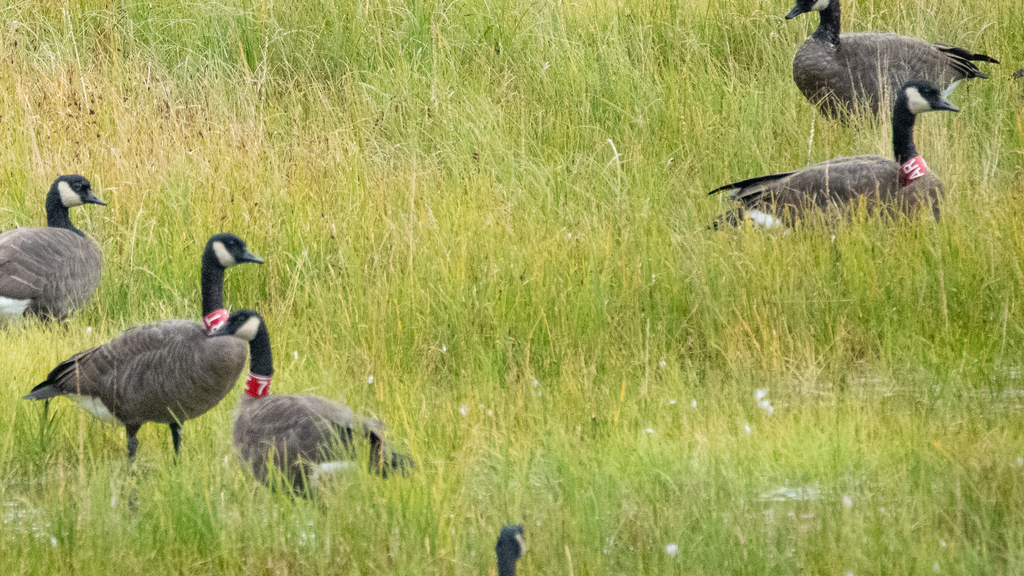
Dusky Canada Goose
Branta canadensis occidentalisAlso known as Canadian Goose, Honker, Common Canada Goose
Canada geese are iconic, highly social waterfowl famous for flying in disciplined V-formations that conserve energy during long migrations. Mated pairs form lifelong monogamous bonds, returning annually to the same nesting sites while raising goslings in shared creches guarded by multiple adults. Once severely depleted by overhunting, adaptable populations have rebounded dramatically, thriving across both wilderness waterways and manicured suburban parks.
MigratoryWaterfowlHerbivore
—observations
—countries
—peak records
Least ConcernConservation statusIUCN Red List categoriesLCNTVUENCREWEXLeast ConcernRed List categories, explained →
Diet & preyTurf Grass, Agricultural Grains, Aquatic Vegetation
Predators
- Coyote
- Bald Eagle
- Red Fox
ThreatsHabitat alteration, municipal culling, lead poisoning, and collisions
HabitatsLakes, rivers, marshes, estuaries, agricultural fields, and urban parks
Life span10–24 years in the wild
Classification
- FamilyAnatidae
- SpeciesBranta canadensis occidentalis
Range data is not available yet.
Interaction riskLow
- Low
- Moderate
- High
- Very high
- Why interaction risk is low
- Nesting adults defend territory with hissing, wing strikes, and pinching bites; keep a respectful distance.
- Why it is dangerous
- Territorial geese protect nests and fledglings through aggressive charges, striking hard with bony wing spurs and pinching with serrated bills.
- How to recognize a risky encounter
- Watch for a low, horizontal neck posture, pinned-back neck feathers, open-mouthed hissing, and direct forward pacing.
- What to do
- Maintain continuous eye contact, remain calm, and slowly step backward out of nesting territory without turning your back.
Responsible observation
- Breeding Season Space: Give nesting pairs at least ten meters of space, especially around water margins in spring.
- Avoid Artificial Feeding: Skip feeding bread or crackers, which cause nutritional deficiencies like angel wing syndrome.
- Watching Body Language: Back away smoothly if a bird lowers its head, points its neck, and hisses.
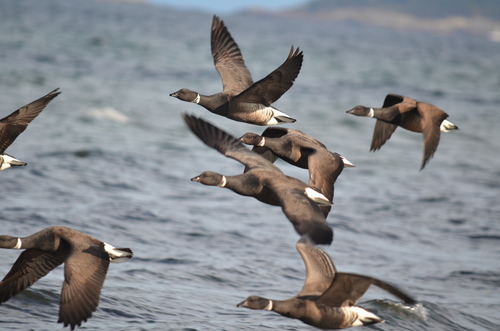
Same Genus (c) Liam Steele, some rights reserved (CC BY), uploaded by Liam Steele · cc-by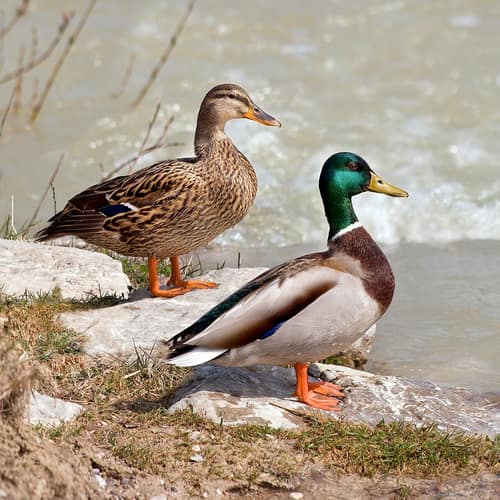
Frequent Companion This picture was realized by Richard Bartz by using a Canon EF 70-300mm f/4-5.6 IS USM Lens / CC BY-SA 2.5 · cc-by-sa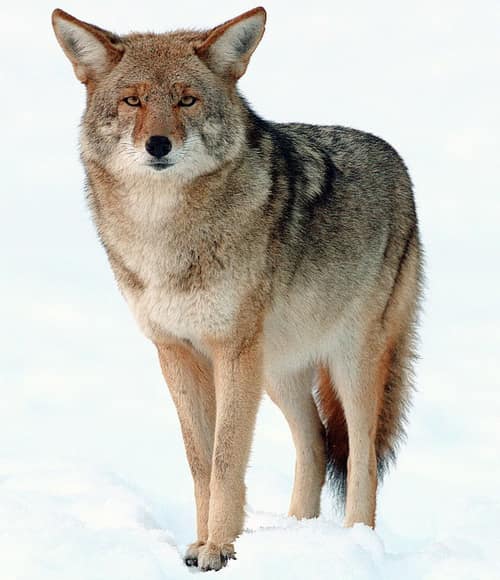
Predator Yathin S Krishnappa / CC BY-SA 3.0 · cc-by-sa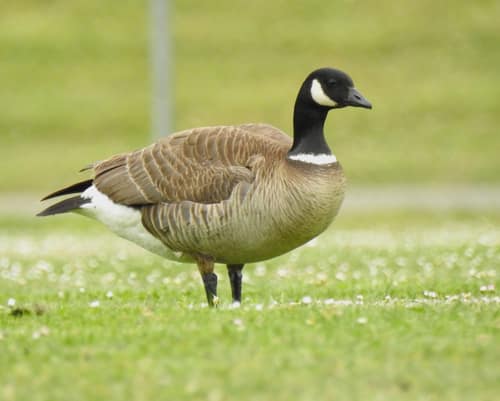
Close Relative (c) Rudyard, some rights reserved (CC BY), uploaded by Rudyard · cc-by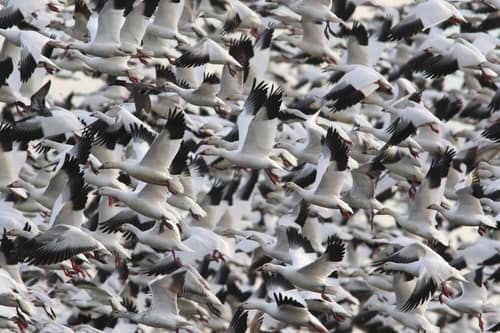
Same Family (c) Cricket Raspet, some rights reserved (CC BY), uploaded by Cricket Raspet · cc-by
Help improve the field guideSomething wrong?
Checking your Fauna account…Report a name, category, or profile issue for review.