
Bird · GBIF taxon 5232437
Canada Goose
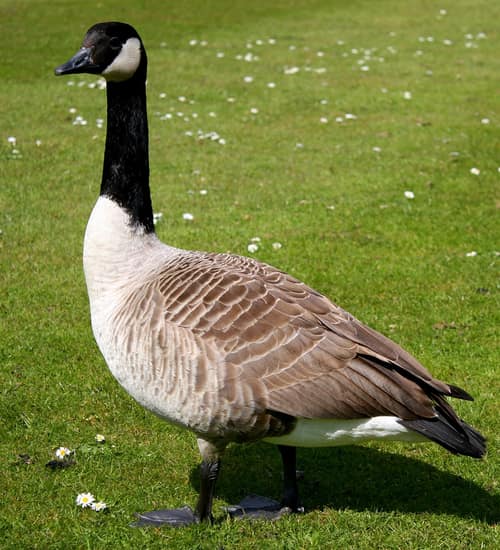
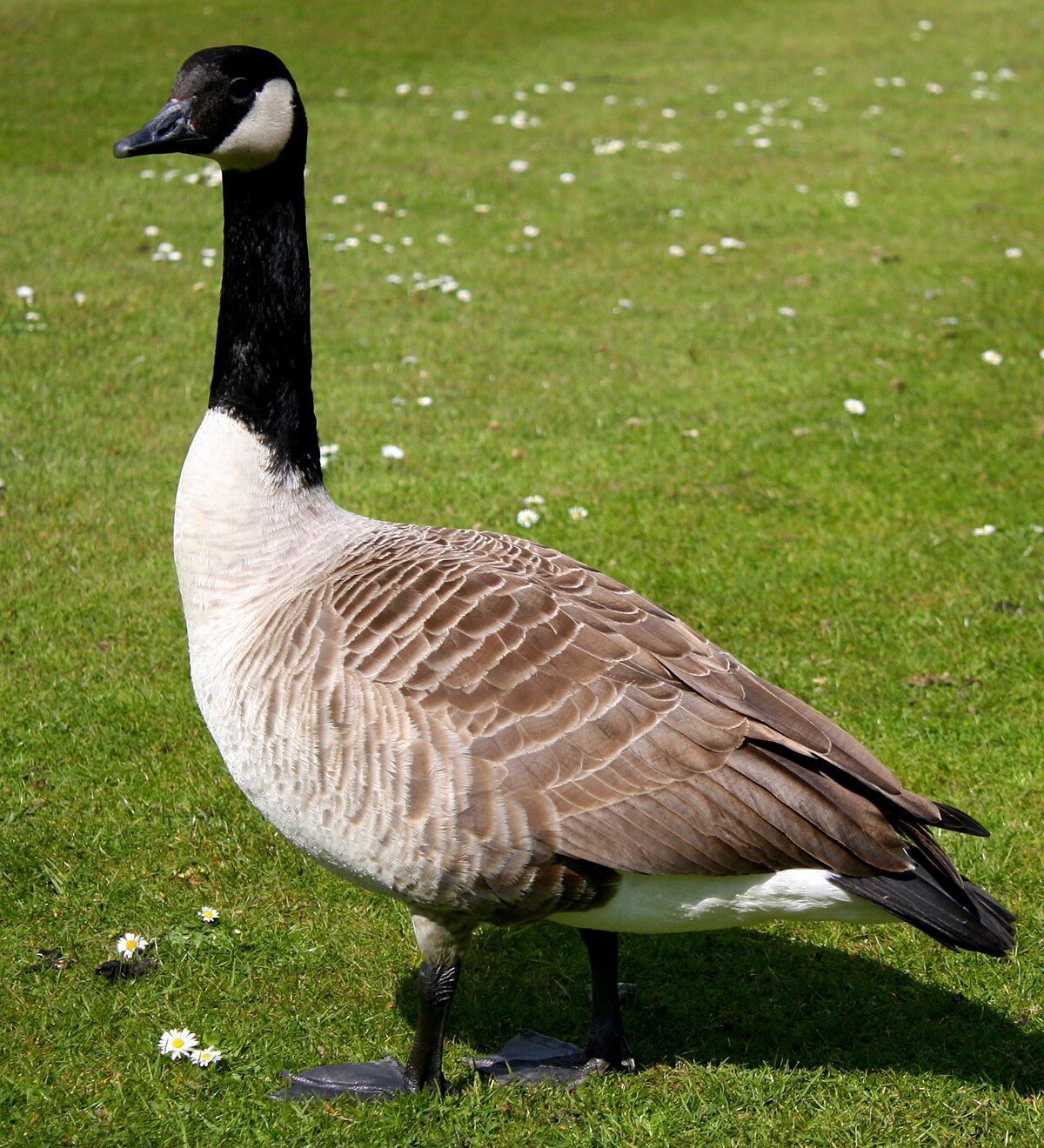
Branta canadensisThe Canada Goose is a large brown waterbird with a black neck and a crisp white cheek patch. It grazes on land, feeds in shallow water, and travels in vocal family groups or larger seasonal flocks.
WaterfowlGrazing BirdMigratory Flocks
—observations
—countries
—peak records
Least ConcernConservation statusIUCN Red List categoriesLCNTVUENCREWEXLeast ConcernRed List categories, explained →
Diet & prey
- Aquatic insects
- Small mollusks
Predators
- Coyotes
- Foxes
- Large eagles
ThreatsCollisions, lead and fishing tackle, disease outbreaks, habitat conflict, and nest disturbance
HabitatsLakes, ponds, rivers, marshes, estuaries, fields, lawns, and urban parks
Life spanOften 10 to 20 years in the wild, with some individuals living longer
Size / weightNot available
Classification
- OrderAnseriformes
- FamilyAnatidae
- GenusBranta
- SpeciesBranta canadensis
Range data is not available yet.
Interaction riskLow
- Low
- Moderate
- High
- Very high
- Why interaction risk is low
- Defending geese can bite and strike with wings; stay back from nests, goslings, and hissing adults.
- Why it is dangerous
- Adults defending nests or goslings may charge, bite, and deliver forceful strikes with their wings.
- How to recognize a risky encounter
- Recognize the large brown goose by its black neck and head with a white cheek patch.
- What to do
- Do not feed, touch, corner, or confront geese; retreat slowly if an adult displays aggression.
Responsible observation
- Space: Walk around family groups instead of passing between adults and goslings.
- Feeding: Let geese find natural food and never offer bread.
- Watch: A lowered head and extended neck signal that you are too close.
Help improve the field guideSomething wrong?
Checking your Fauna account…Report a name, category, or profile issue for review.