
Bird
Southern Cassowary
Casuarius casuariusAlso known as Double-wattled Cassowary, Australian Cassowary, Two-wattled Cassowary
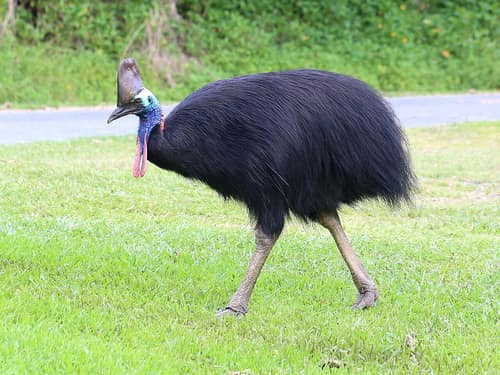
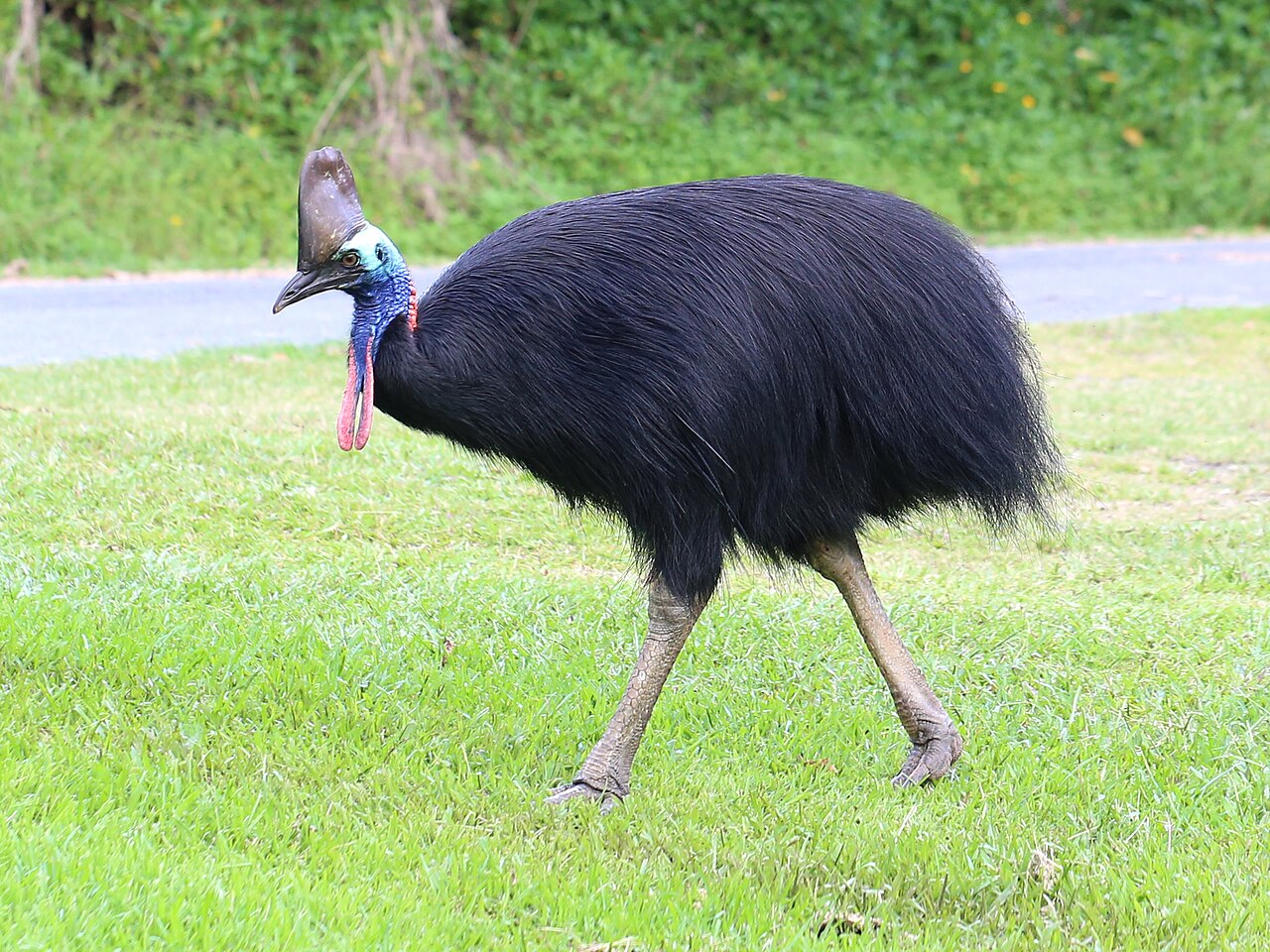
Southern cassowaries roam dense tropical rainforests, acting as essential seed dispersers for over a hundred species of large-fruited trees. Females are noticeably larger and more brightly colored than males, holding territories through deep, booming vocalizations that resonate through the dense understory. Males take on full responsibility for incubating the large green eggs and raising the striped chicks for up to nine months.
FlightlessRainforestSolitary
—observations
—countries
—peak records
Least ConcernConservation statusIUCN Red List categoriesLCNTVUENCREWEXLeast ConcernRed List categories, explained →
Diet & preyFallen Rainforest Fruits, Fungi, Small Vertebrates
Predators
- Dingoes
- Feral Dogs
- Saltwater Crocodiles
ThreatsHabitat loss and fragmentation, vehicle strikes, feral dog attacks, and climate change
HabitatsTropical rainforests, swamp forests, and coastal gallery forests
Life span30–40 years in the wild (up to 50 years in captivity)
Classification
- OrderCasuariiformes
- FamilyCasuariidae
- GenusCasuarius
- SpeciesCasuarius casuarius
Range data is not available yet.
Interaction riskHigh
- Low
- Moderate
- High
- Very high
- Why interaction risk is high
- Equipped with powerful legs and sharp claws; keep a safe distance and never approach or feed.
- Why it is dangerous
- Possesses a powerful forward kick with a 12 cm dagger-like inner claw capable of causing fatal puncture wounds and severe lacerations.
- How to recognize a risky encounter
- Distinctive glossy black plumage, vivid blue skin on the head and neck, bright red dangling wattles, and a tall bony helmet-like casque.
- What to do
- Back away slowly while keeping sight of the bird, placing a tree, vehicle, or large backpack between yourself and the cassowary.
- What to notice
- Look for tall black silhouettes and bright blue neck coloration along rainforest margins and established road corridors.
- Support conservation
- Slow down significantly in posted cassowary crossing zones and keep domestic dogs leashed in coastal rainforest areas.
Responsible observation
- Observe from Distance: Maintain a generous gap of at least 15 meters, especially around males attending chicks.
- Avoid Cornering: Never back a cassowary against a tree, fence, or water barrier where it feels trapped.
- Do Not Feed: Handfeeding habituates birds to humans, greatly increasing dangerous encounters along roads and campsites.
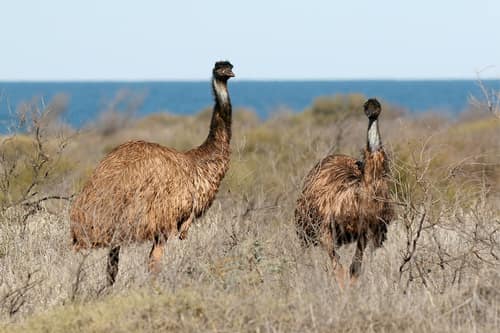
Close Relative (c) patrickkavanagh, some rights reserved (CC BY) · cc-by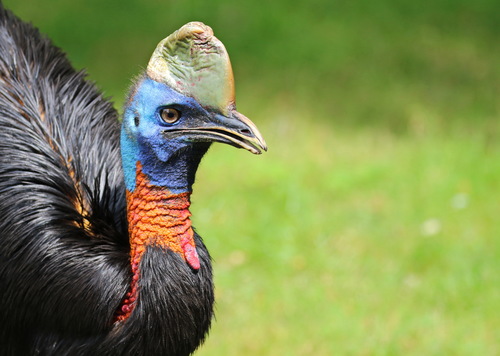
Close Relative (c) Kora27, algunos derechos reservados (CC BY-SA) · cc-by-sa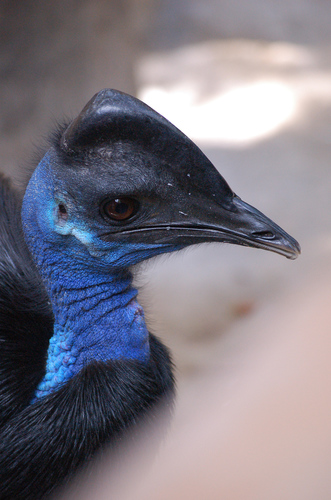
Close Relative (c) Martin Sordilla, algunos derechos reservados (CC BY) · cc-by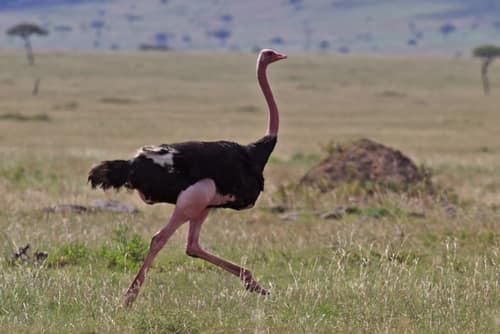
Distant Relative (c) Jan Ebr & Ivana Ebrová, some rights reserved (CC BY), uploaded by Jan Ebr & Ivana Ebrová · cc-by
Help improve the field guideSomething wrong?
Checking your Fauna account…Report a name, category, or profile issue for review.