
Bird
New Zealand Fantail
Rhipidura fuliginosaAlso known as Piwakawaka, Tiwakawaka, Piwaiwaka, Black Fantail
Famous for its extraordinary aerial gymnastics, the New Zealand fantail flashes its wide, fan-shaped tail to flush roosting insects from foliage before snapping them up midair. Pairs often flit closely around hikers and grazing animals along bush tracks, exploiting the disturbance to catch fleeing prey. Prolific breeding of up to five successive clutches in a season helps offset heavy adult losses to cold winters and introduced mammalian predators.
InsectivoreAcrobaticForest Dweller
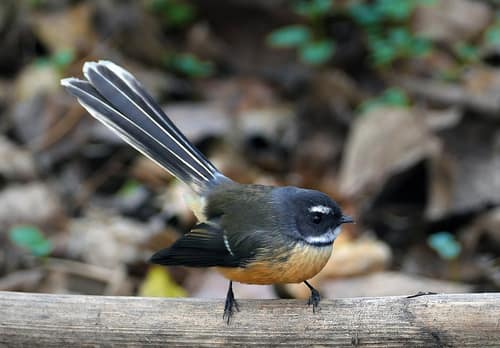
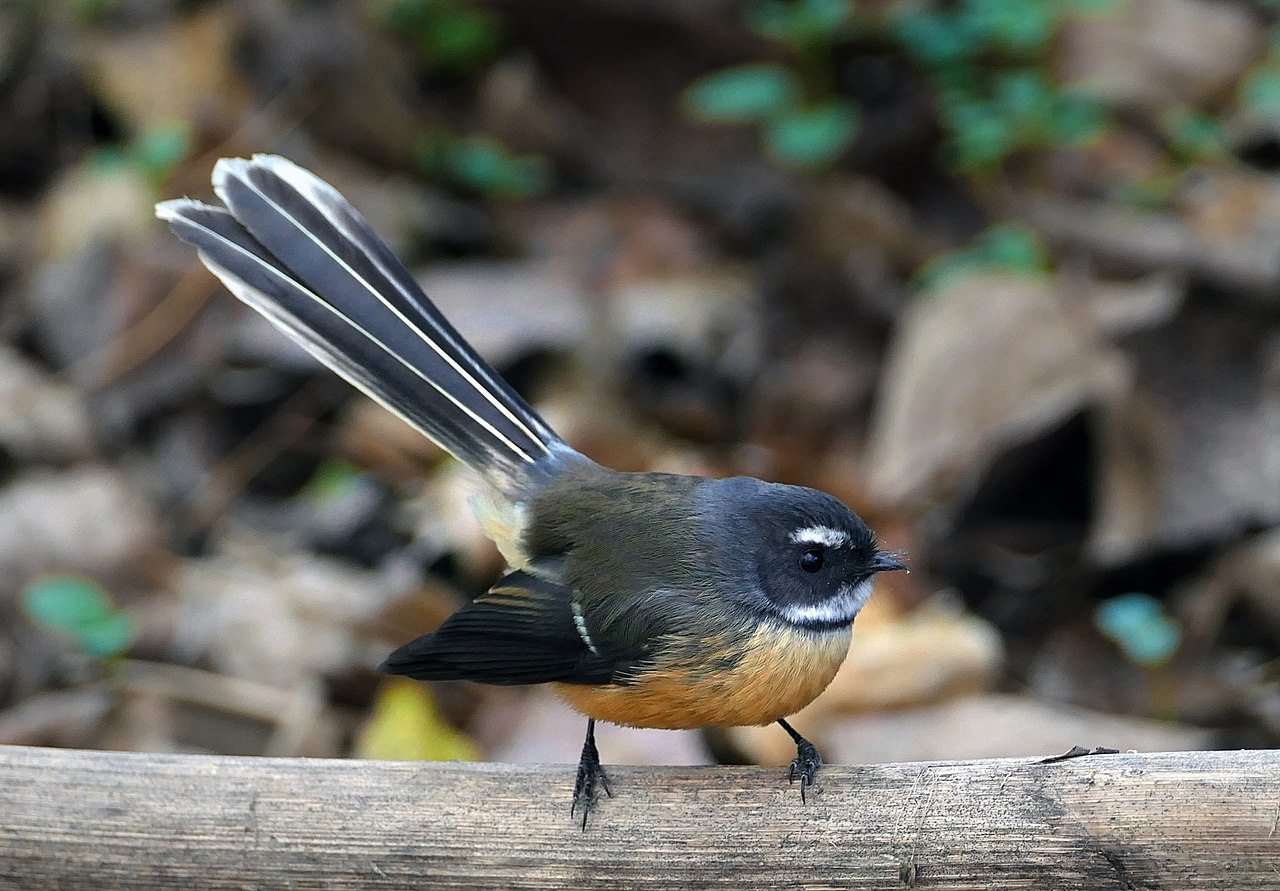
—observations
—countries
—peak records
Least ConcernConservation statusIUCN Red List categoriesLCNTVUENCREWEXLeast ConcernRed List categories, explained →
Diet & preyMoths, Flies, Beetles
Predators
- Ship rat
- Stoat
- Feral cat
ThreatsPredation of nests by introduced ship rats, stoats, and feral cats
HabitatsTemperate native rainforests, scrublands, orchards, and suburban gardens
Life span1–3 years
Classification
- FamilyRhipiduridae
- SpeciesRhipidura fuliginosa
Range data is not available yet.
Interaction riskLow
- Low
- Moderate
- High
- Very high
- Why interaction risk is low
- Safe to observe at a normal distance.
Responsible observation
- Patience: Stand still along forest paths, as these curious birds routinely approach within arm's reach.
- Footsteps: Walk through leafy undergrowth to kick up insects, which quickly draws the bird into view.
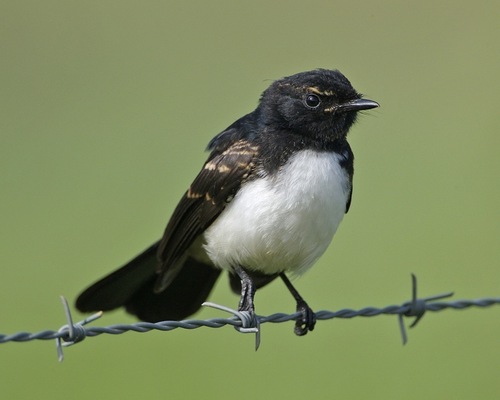
Same Genus (c) Lip Kee, some rights reserved (CC BY-SA) · cc-by-sa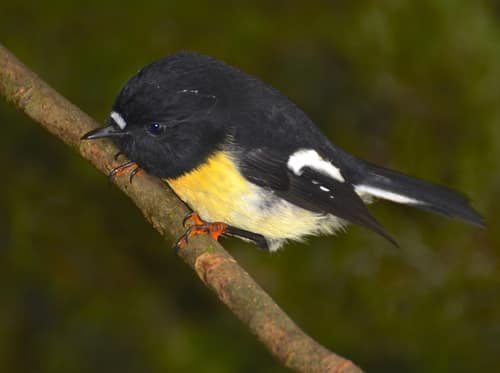
Frequent Companion (c) Mike Bowie, some rights reserved (CC BY), uploaded by Mike Bowie · cc-by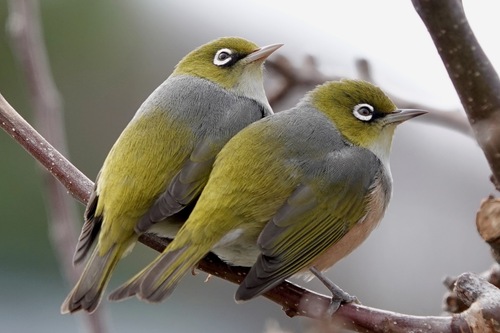
Frequent Companion (c) BIHNZ, some rights reserved (CC BY), uploaded by BIHNZ · cc-by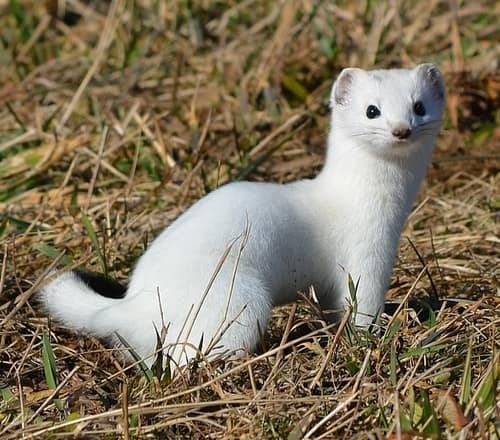
Predator (c) E. A., some rights reserved (CC BY), uploaded by E. A. · cc-by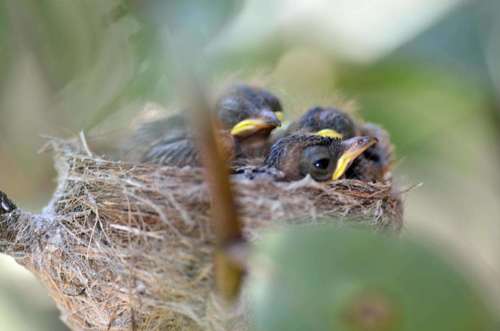
Close Relative (c) Chris Lindorff, some rights reserved (CC BY) · cc-by
Help improve the field guideSomething wrong?
Checking your Fauna account…Report a name, category, or profile issue for review.