
Bird
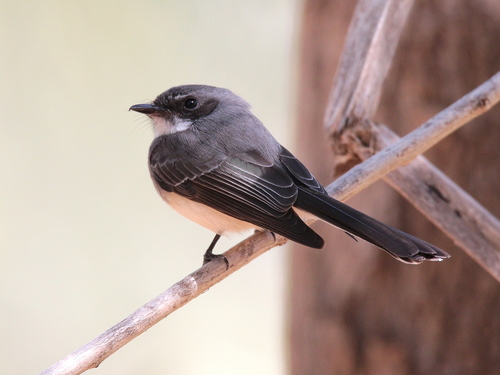
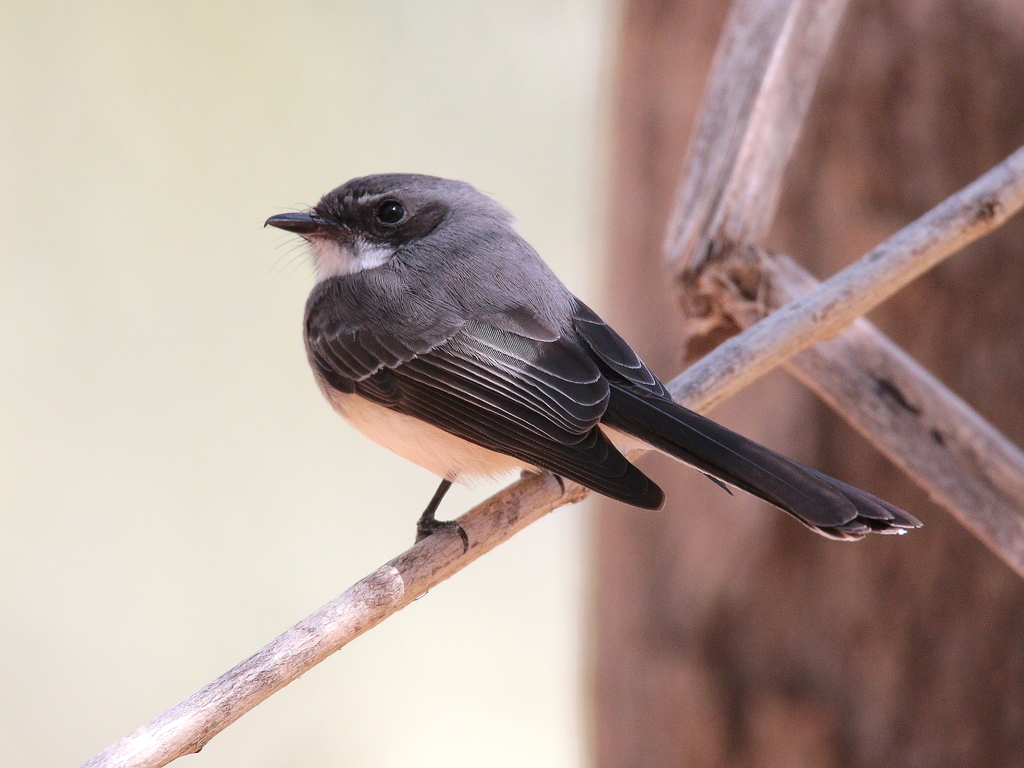
Northern Fantail
Rhipidura rufiventrisAlso known as Broad-billed Fantail
Northern fantails perch quietly upright on open middle-story branches, sallying out in sudden acrobatic loops to snap flying insects from midair. Unlike several restless relatives, they hold their tails somewhat stiffer and fan them less compulsively, relying on acute vision and rapid aerial bursts rather than constant flushing displays. Breeding pairs construct neat, wineglass-shaped nests woven from fine grass and spider silk, typically suspended from a slender horizontal fork.
SongbirdInsectivorousTropical
—observations
—countries
—peak records
Least ConcernConservation statusIUCN Red List categoriesLCNTVUENCREWEXLeast ConcernRed List categories, explained →
Diet & preyFlies, Moths, Beetles
Predators
- Brown Tree Snake
- Rufous Owl
- Pied Butcherbird
ThreatsHabitat loss from coastal development, agricultural clearing, and intense wildfires
HabitatsTropical moist lowland forests, mangrove forests, paperbark swamps, and riverine woodlands
Life span5–8 years
Classification
- FamilyRhipiduridae
- SpeciesRhipidura rufiventris
Range data is not available yet.
Interaction riskLow
- Low
- Moderate
- High
- Very high
- Why interaction risk is low
- Safe to observe at a normal distance.
Responsible observation
- Listening for calls: Listen for a sharp, metallic scolding chatter followed by a short descending whistle.
- Watching perches: Scan horizontal dead branches 3 to 8 meters above the ground in coastal thickets.
- Minimizing disturbance: Keep a steady distance during the wet season nesting period to prevent nest abandonment.
 Image unavailable
Frequent Companion 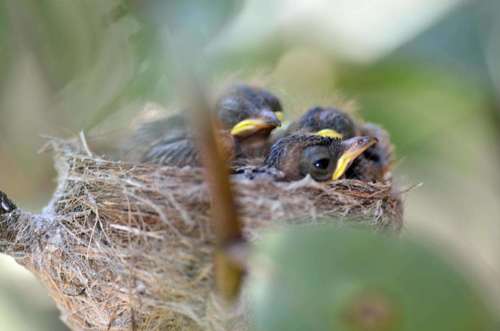
Close Relative (c) Chris Lindorff, some rights reserved (CC BY) · cc-by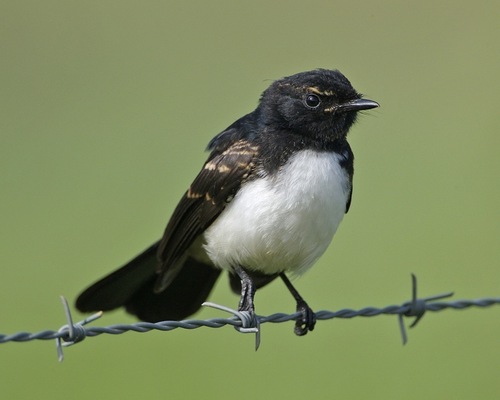
Close Relative (c) Lip Kee, some rights reserved (CC BY-SA) · cc-by-saClose Relative
Help improve the field guideSomething wrong?
Checking your Fauna account…Report a name, category, or profile issue for review.