
Bird
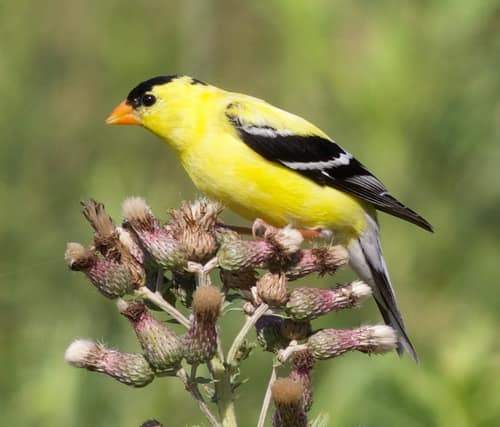
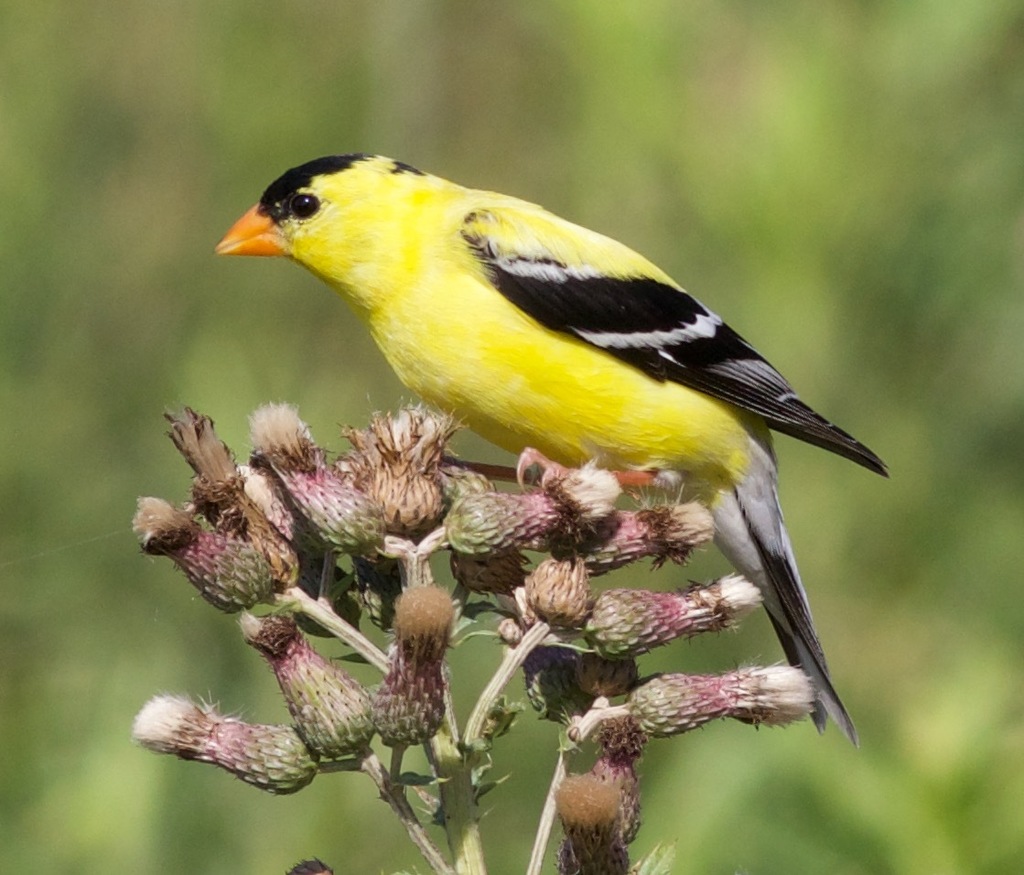
American Goldfinch
Spinus tristisAlso known as Eastern Goldfinch, Wild Canary, Yellowbird
American goldfinches add brilliant flashes of yellow to open fields and suburban gardens across North America. Unlike most songbirds, adults undergo a complete molt twice a year, swapping dull winter feathers for bright lemon-yellow breeding plumage. They nest late in the summer to align with peak seed production, weaving watertight cups from fibrous plant material and soft thistle down.
SongbirdGranivoreMigratory
—observations
—countries
—peak records
Least ConcernConservation statusIUCN Red List categoriesLCNTVUENCREWEXLeast ConcernRed List categories, explained →
Diet & preyThistle Seeds, Sunflower Seeds, Birch Seeds
Predators
- Domestic Cat
- Sharp-shinned Hawk
- American Kestrel
ThreatsHabitat loss, window collisions, outdoor cats
HabitatsFields, weed patches, meadows, orchards, suburban yards
Life span3–6 years in the wild
Classification
- OrderPasseriformes
- FamilyFringillidae
- GenusSpinus
- SpeciesSpinus tristis
Range data is not available yet.
Interaction riskLow
- Low
- Moderate
- High
- Very high
- Why interaction risk is low
- Safe to observe at a normal distance.
Responsible observation
- Feeders: Hang nyjer or black oil sunflower seed feeders to attract breeding pairs.
- Gardening: Leave native thistles, coneflowers, and sunflowers standing through winter.
- Observation: Listen for their characteristic per-chick-o-ree call given in undulating flight.
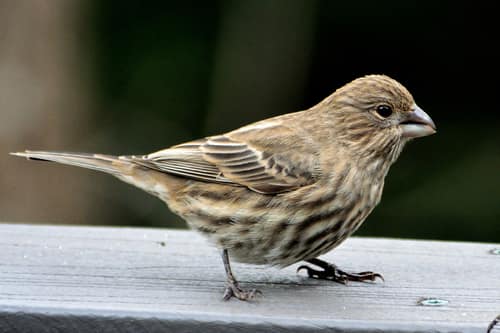
Frequent Companion (c) MostlyDross, some rights reserved (CC BY) · cc-by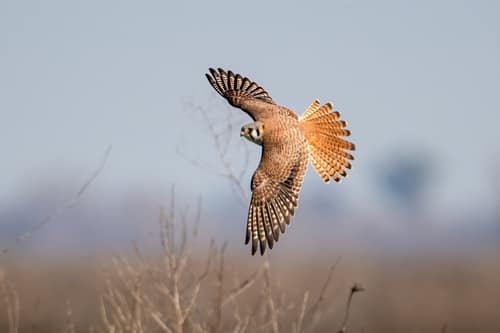
Predator (c) Jonathan Eisen, some rights reserved (CC BY), uploaded by Jonathan Eisen · cc-by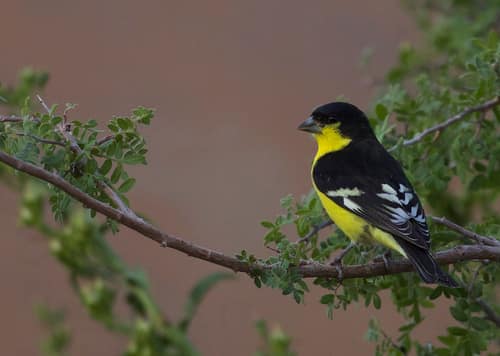
Close Relative "Lesser Goldfinch (Spinus psaltria)" by Gregory 'Slobirdr' Smith is licensed under CC BY-SA 2.0. To view a copy of this license, visit https://creativecommons.org/licenses/by-sa/2.0/. · cc-by-sa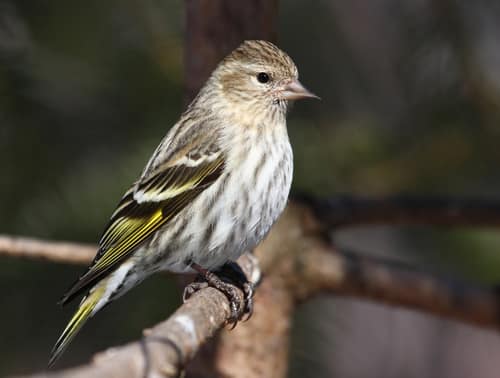
Close Relative (c) Cephas, some rights reserved (CC BY-SA) · cc-by-sa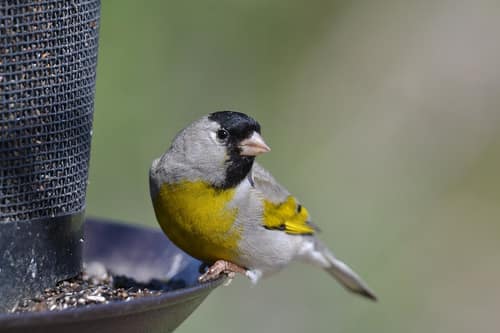
Close Relative Birdenheck / CC BY 4.0 · cc-by
Keep collecting in Fauna
Found in Collections
Species set Pro
Backyard Birds
American Goldfinch is found in this collection. Identify it in Fauna to fill this slot and continue your progress.
Unlock to track progress
Help improve the field guideSomething wrong?
Checking your Fauna account…Report a name, category, or profile issue for review.