
Bird · GBIF taxon 5231240
Northern Wheatear
Oenanthe oenantheAlso known as Common Wheatear, Greenland Wheatear
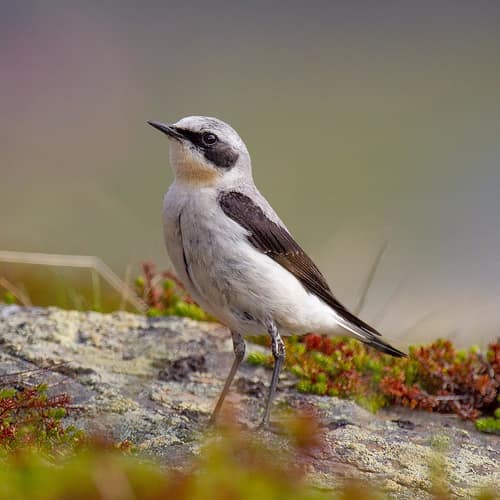
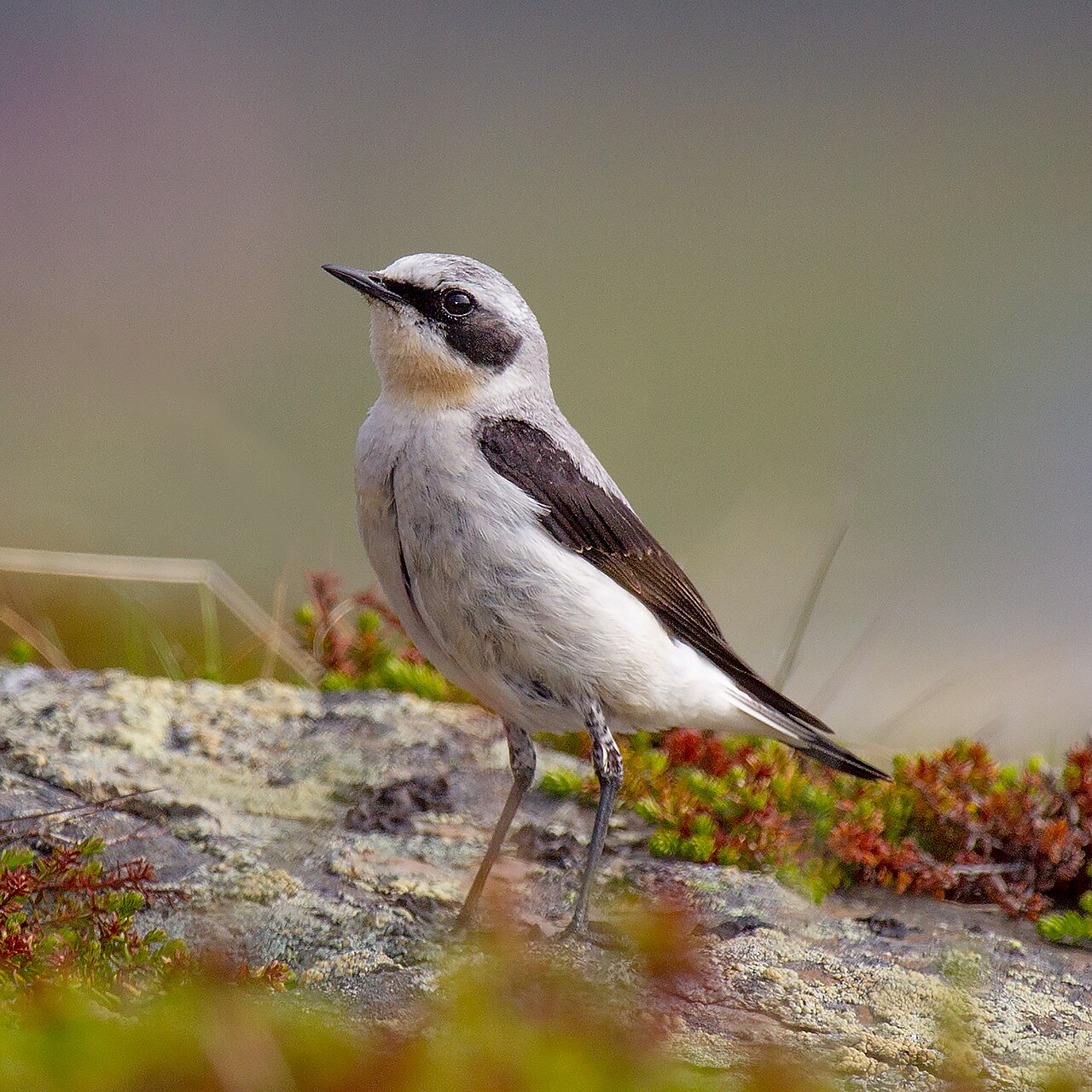
Northern Wheatears execute one of the most astonishing songbird migrations on Earth, with Alaskan populations flying thousands of kilometers across Asia to winter in sub-Saharan Africa. Adults stand upright on rocks or fence posts, frequently bobbing their bodies and flicking their tails to reveal a striking white rump patch with a black T-shaped border. On open tundra and stony grasslands, pairs nest out of sight inside deep rock crevices, stone walls, or abandoned animal burrows.
MigratoryInsectivoreSongbird
—observations
—countries
—peak records
Least ConcernConservation statusIUCN Red List categoriesLCNTVUENCREWEXLeast ConcernRed List categories, explained →
Diet & prey
- Beetles
- Caterpillars
- Spiders
Predators
- Falcons
- Owls
- Stoats
ThreatsHabitat loss from intensive agriculture, climate change in arctic breeding zones, and migration hazards
HabitatsOpen stony tundra, upland pastures, coastal shingle, and rocky slopes
Life span4–7 years
Size / weightNot available
Classification
- FamilyMuscicapidae
- SpeciesOenanthe oenanthe
Range data is not available yet.
Interaction riskLow
- Low
- Moderate
- High
- Very high
- Why interaction risk is low
- Safe to observe at a normal distance.
Responsible observation
- Scan Open Vantage Points: Look along fence lines, large boulders, and stone walls where birds perch to spot prey.
- Watch for Tail Flicking: Identify them easily by their habit of bobbing upright and fanning their white and black tail.
- Give Nesting Sites Space: Avoid disturbing rock piles and stone walls in breeding areas during spring and early summer.
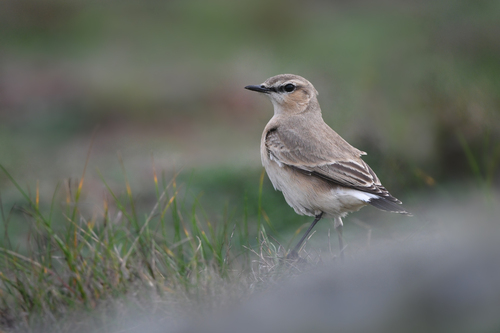
Close Relative (c) Julien Renoult, some rights reserved (CC BY), uploaded by Julien Renoult · cc-by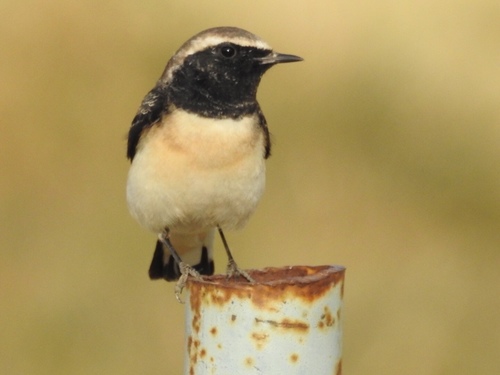
Close Relative no rights reserved, uploaded by neotrigonia · cc0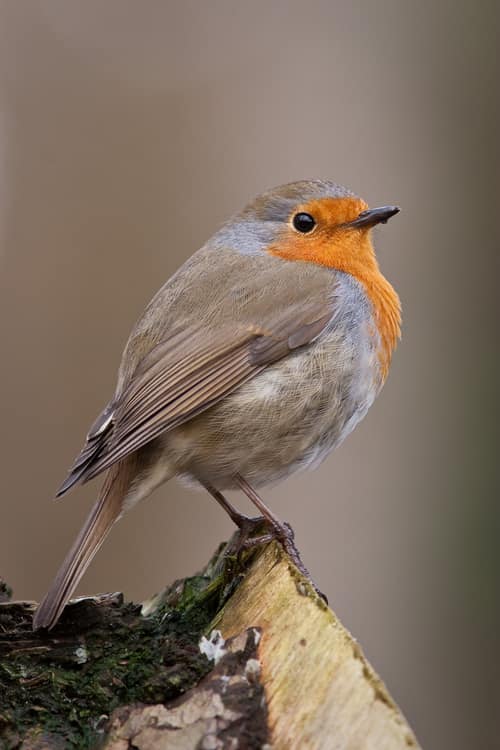
Family Relative (c) Arjan Haverkamp, some rights reserved (CC BY) · cc-by
Help improve the field guideSomething wrong?
Checking your Fauna account…Report a name, category, or profile issue for review.