
Bird
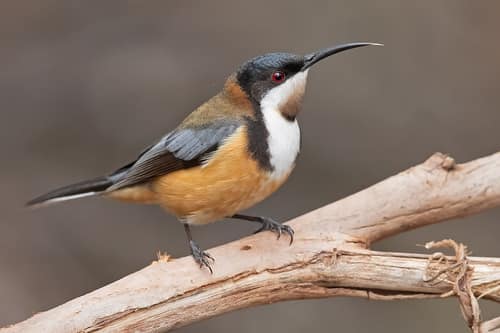
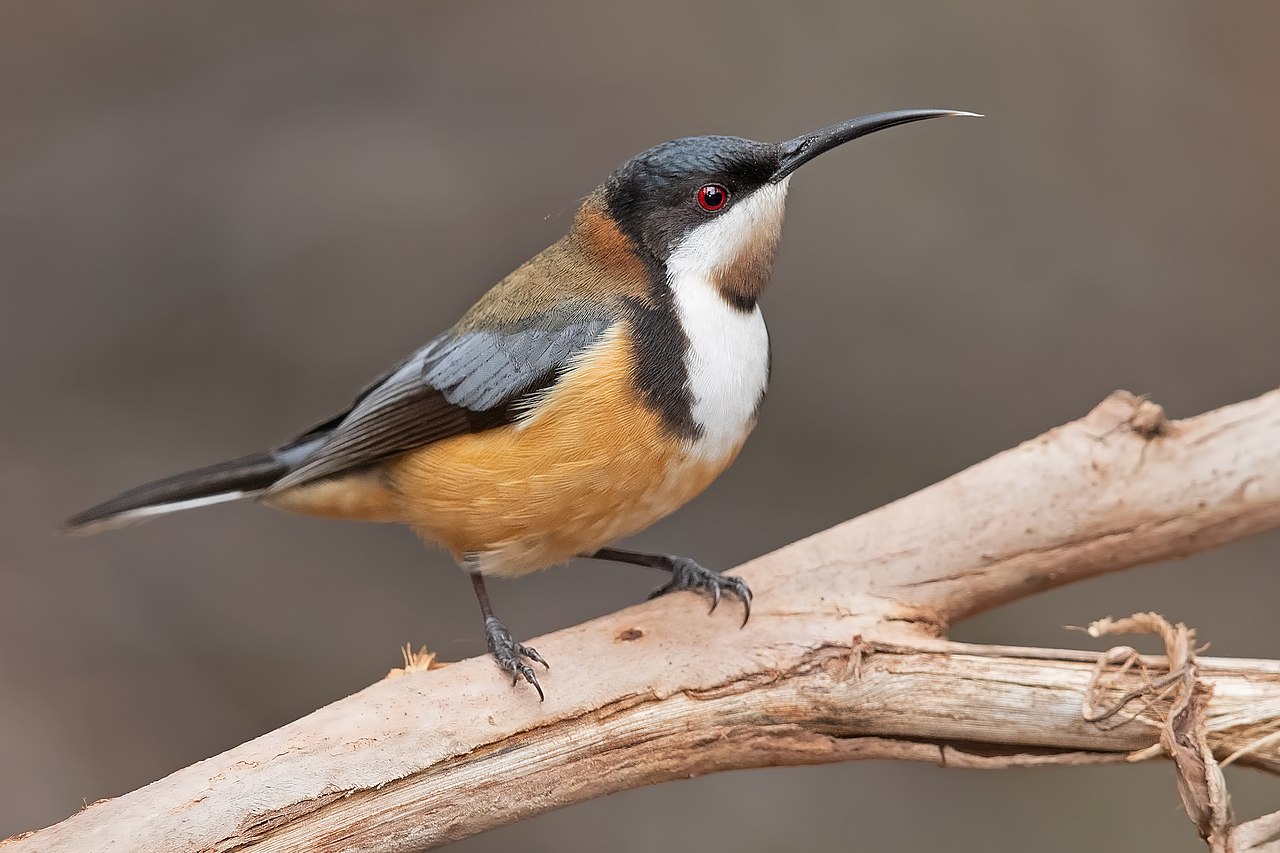
Eastern Spinebill
Acanthorhynchus tenuirostrisAlso known as Cobbler's Awl
Eastern spinebills dart between tubular flowers with rapid wingbeats, hovering briefly like hummingbirds while probing deep blossoms with their needle-thin, decurved bills. Their wings produce a distinct, audible flutter in flight, and males sing high-pitched, piping notes from exposed perches to defend feeding territories. Females weave neat, cup-shaped nests of bark strips and spiderwebs lined with feathers, often tucked into dense shrubs while raising two or three chicks per brood.
Nectar-feedingSongbirdAgile
—observations
—countries
—peak records
Least ConcernConservation statusIUCN Red List categoriesLCNTVUENCREWEXLeast ConcernRed List categories, explained →
Diet & preyFlower Nectar, Small Insects, Spiders
Predators
- Domestic Cat
- Pied Currawong
- Collared Sparrowhawk
ThreatsHabitat clearing, predation by domestic cats, and competition from aggressive honeyeaters
HabitatsTemperate forests, woodlands, heathlands, and urban gardens in eastern Australia
Life span5–8 years in the wild
Classification
- FamilyMeliphagidae
- SpeciesAcanthorhynchus tenuirostris
Range data is not available yet.
Interaction riskLow
- Low
- Moderate
- High
- Very high
- Why interaction risk is low
- Safe to observe at a normal distance.
Responsible observation
- Plant Native Blooms: Grow tubular native shrubs like grevilleas, correas, and banksias to attract foraging birds.
- Listen for Wings: Follow the sharp, whirring wingbeats and high piping calls through dense undergrowth.
- Keep Cats Indoors: Confining pet cats protects low-nesting spinebills and fledglings in suburban gardens.
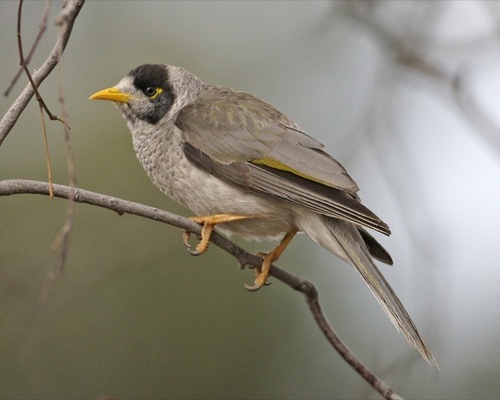
Competitor (c) Lip Kee Yap, some rights reserved (CC BY-SA) · cc-by-sa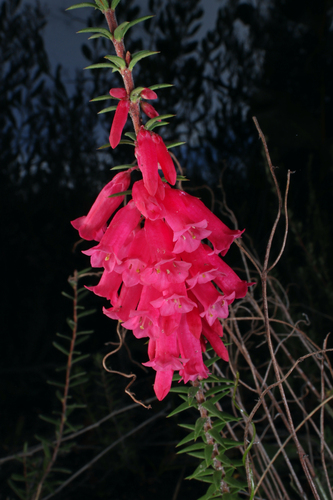
Nectar Source (c) Connor Margetts, some rights reserved (CC BY), uploaded by Connor Margetts · cc-by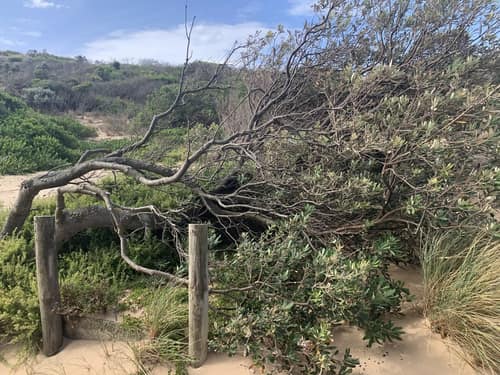
Nectar Source (c) 呂一起(Lu i-chi), some rights reserved (CC BY), uploaded by 呂一起(Lu i-chi) · cc-by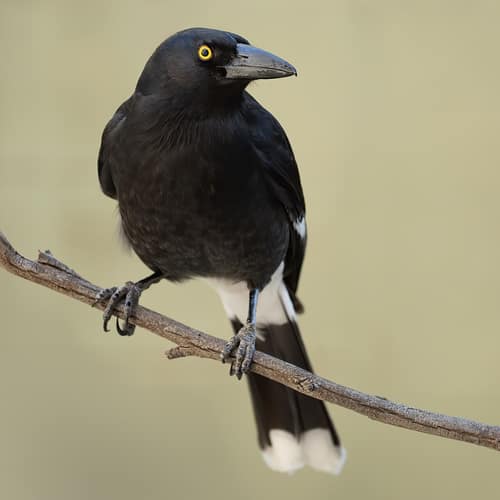
Predator JJ Harrison (https://www.jjharrison.com.au/) / CC BY-SA 4.0 · cc-by-sa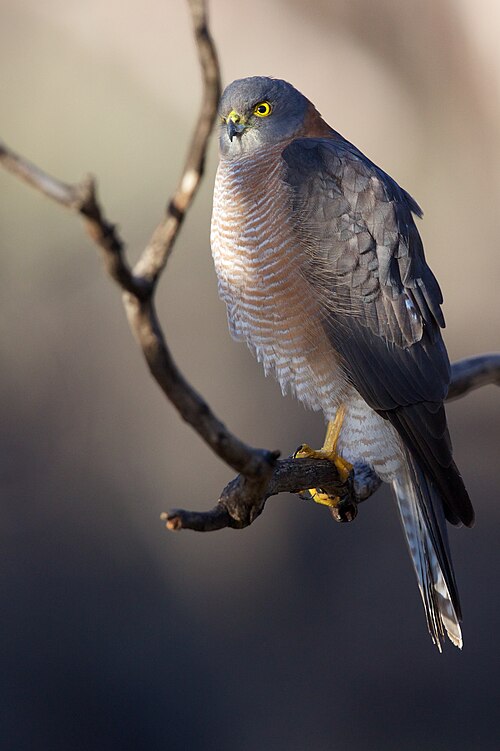
Predator sunphlo from South Australia / CC BY-SA 2.0 · cc-by-sa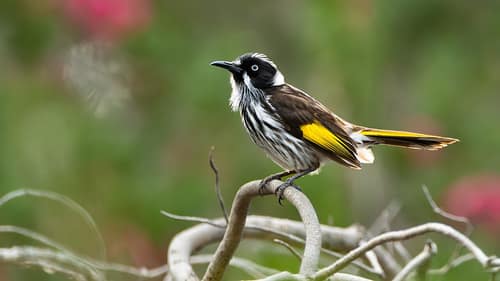
Same Family Photo by: Paulweberphoto - paulweberphoto.com / CC BY 4.0 · cc-by
Help improve the field guideSomething wrong?
Checking your Fauna account…Report a name, category, or profile issue for review.