
Bird
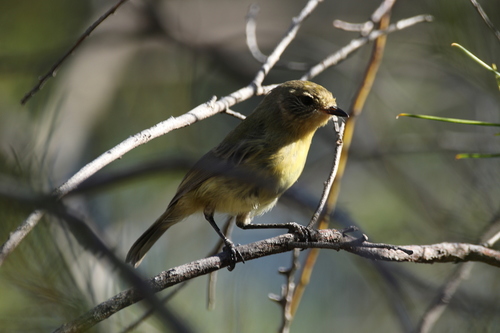
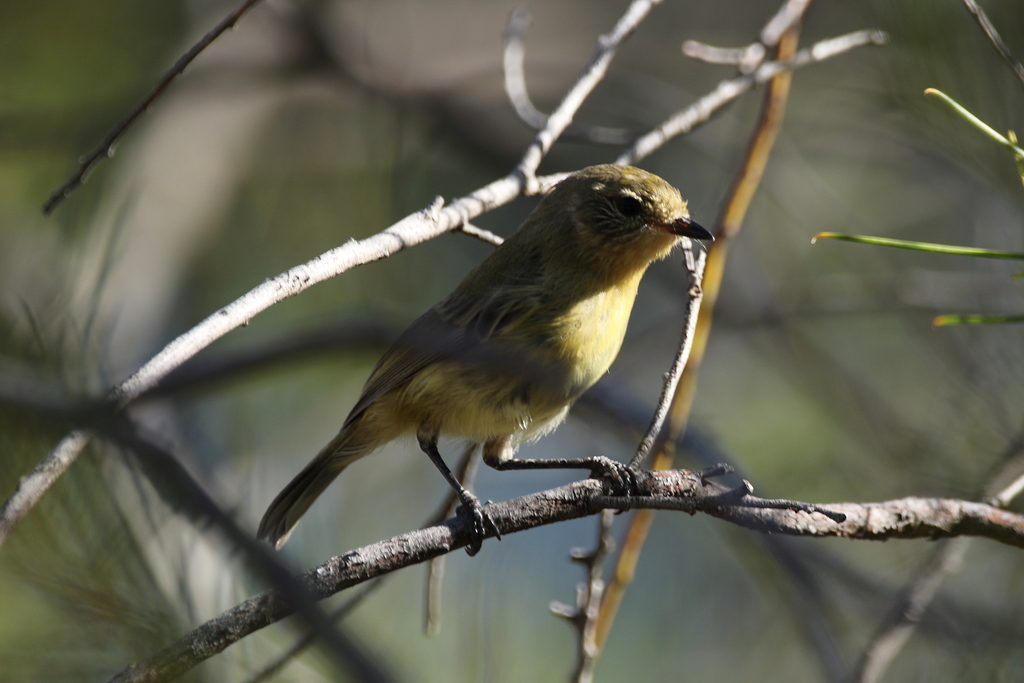
Yellow Thornbill
Acanthiza nanaAlso known as Little Thornbill
Yellow thornbills are tiny, olive-and-yellow songbirds that spend their lives high in the outer foliage of eastern Australian woodlands, parks, and gardens. Moving in restless pairs or small family groups, they hover and glean insects from the tips of eucalypt, wattle, and casuarina branches while keeping in touch with rapid, metallic 'tizz-tizz' calls. During the breeding season, pairs weave neat, pear-shaped nests from bark strips, grass, and spiderwebs, suspending them cleanly from slender twigs.
InsectivorousCanopy-dwellingSocial
—observations
—countries
—peak records
Least ConcernConservation statusIUCN Red List categoriesLCNTVUENCREWEXLeast ConcernRed List categories, explained →
Diet & preyCaterpillars, Aphids, Small spiders
Predators
- Feral and domestic cats
- Collared sparrowhawks
- Pied currawongs
ThreatsHabitat clearing, fragmentation, and predation by introduced cats
HabitatsEucalypt woodlands, casuarina groves, rainforest edges, and leafy gardens
Life span4–7 years in the wild
Classification
- OrderPasseriformes
- FamilyAcanthizidae
- GenusAcanthiza
- SpeciesAcanthiza nana
Range data is not available yet.
Interaction riskLow
- Low
- Moderate
- High
- Very high
- Why interaction risk is low
- Safe to observe at a normal distance.
Responsible observation
- Listen first: Track their high, metallic 'tizz-tizz' contact calls in the upper canopy.
- Scan outer foliage: Watch the tips of eucalypt, wattle, and casuarina branches for quick, hovering gleaners.
- Respect nesting sites: Keep your distance if you spot adults carrying spiderwebs or feathers into dense twigs.
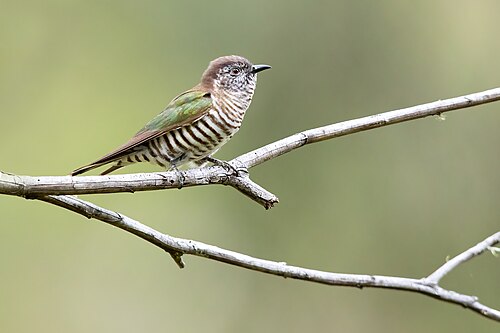
Brood Parasite JJ Harrison / CC BY-SA 3.0 · cc-by-sa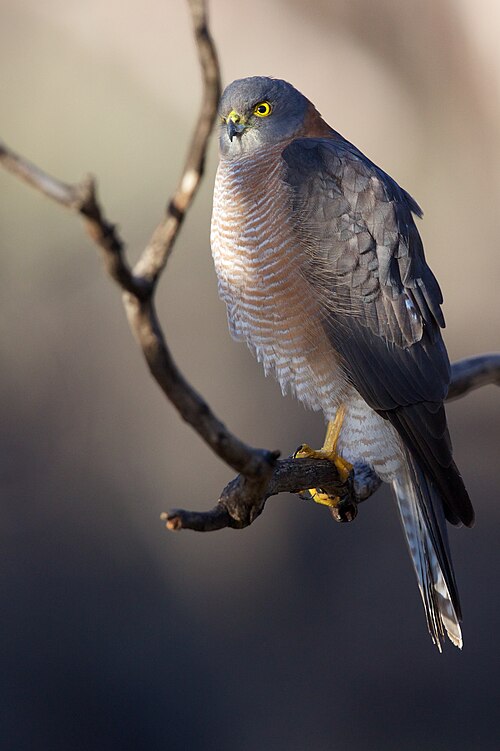
Predator sunphlo from South Australia / CC BY-SA 2.0 · cc-by-sa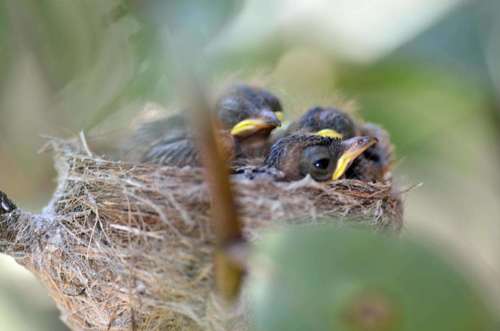
Frequent Companion (c) Chris Lindorff, some rights reserved (CC BY) · cc-by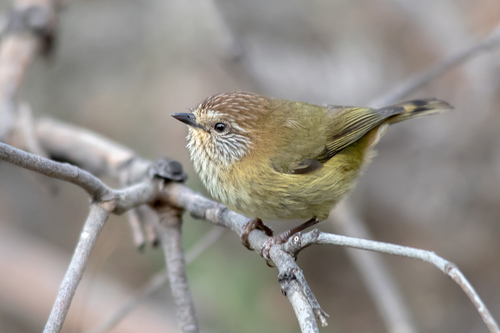
Close Relative (c) Andrew Allen, some rights reserved (CC BY), uploaded by Andrew Allen · cc-by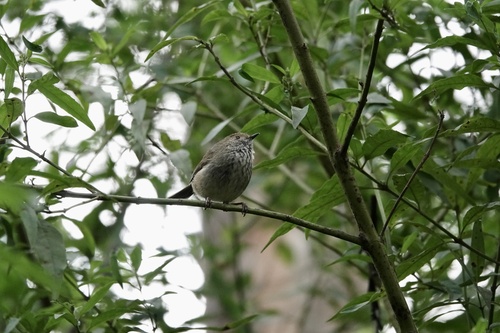
Close Relative no rights reserved · cc0
Help improve the field guideSomething wrong?
Checking your Fauna account…Report a name, category, or profile issue for review.