
Bird · GBIF taxon 5229502
Iranian Ground-Jay
Podoces pleskeiAlso known as Pleske's Ground Jay, Pleske's Ground-Jay, Iranian Desert Jay
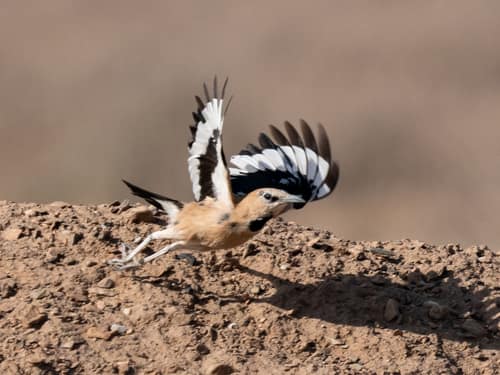
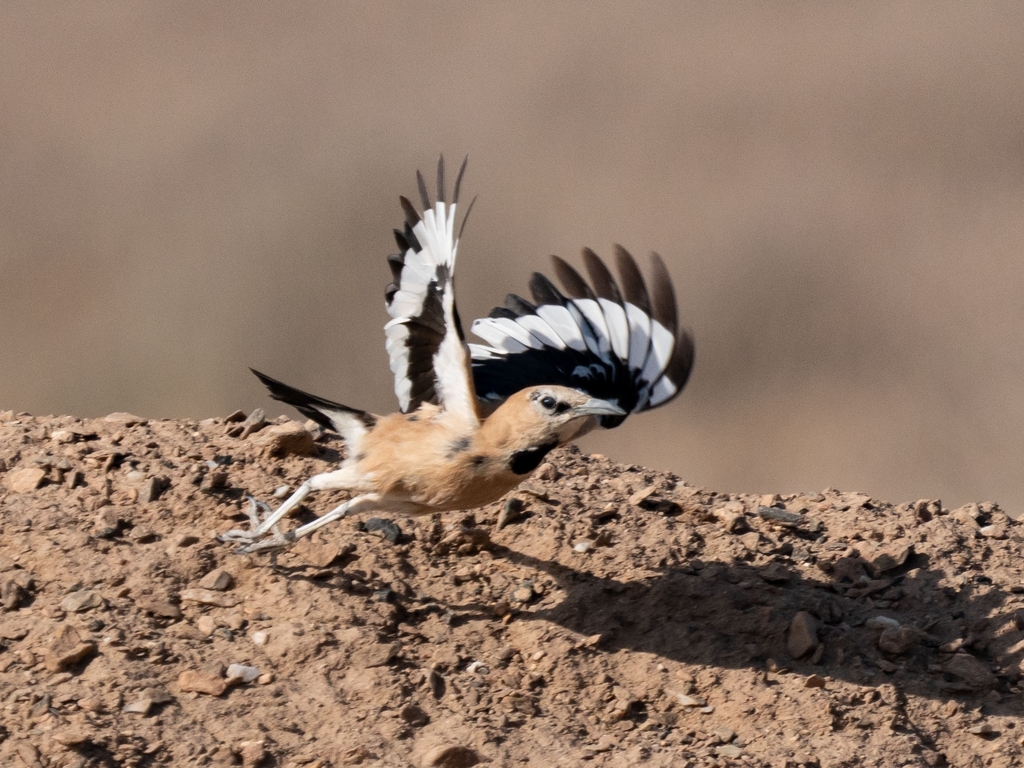
Iranian ground-jays spend most of their lives running briskly across sandy deserts and arid shrublands rather than flying. Their cryptic sandy plumage provides camouflage against the desert soil while they dig up beetles, seeds, and small lizards with strong, curved bills. Pairs maintain territories year-round and construct bulky twig nests low in thorny desert bushes.
EndemicDesertTerrestrial
—observations
—countries
—peak records
Least ConcernConservation statusIUCN Red List categoriesLCNTVUENCREWEXLeast ConcernRed List categories, explained →
Diet & prey
- Beetles
- Small lizards
- Grass seeds
Predators
- Lanner falcon
- Desert fox
- Desert monitor
ThreatsOvergrazing, shrub clearance, and habitat fragmentation
HabitatsArid deserts, sandy plains, and Zygophyllum shrublands
Life span5–10 years
Size / weightNot available
Classification
- FamilyCorvidae
- SpeciesPodoces pleskei
Range data is not available yet.
Interaction riskLow
- Low
- Moderate
- High
- Very high
- Why interaction risk is low
- Safe to observe at a normal distance.
- What to notice
- Look for sandy-buff plumage, a distinct black throat patch, and bold white wing bars visible when running.
- Support conservation
- Observe quietly from a distance and avoid walking through low desert bushes where nests are built.
Responsible observation
- Observation: Scan low desert bushes and sandy patches where birds forage on foot.
- Distance: Keep a distance of 30 meters to watch natural foraging without causing flush flights.
- Habitat Preservation: Stay on established tracks to prevent destroying delicate desert vegetation.
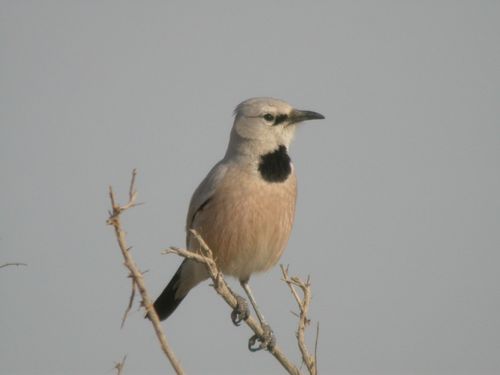
Close Relative (c) Alastair Rae, some rights reserved (CC BY-SA) · cc-by-sa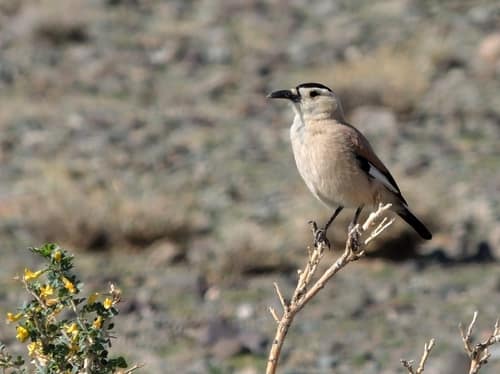
Close Relative (c) Vladimir Yu. Arkhipov, Arkhivov, some rights reserved (CC BY-SA) · cc-by-sa Image unavailable
Close Relative 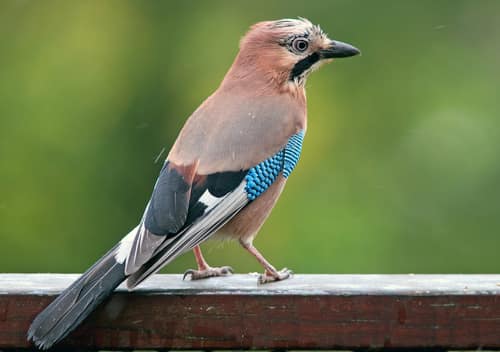
Family Member (c) Luc Viatour, some rights reserved (CC BY-SA) · cc-by-sa
Help improve the field guideSomething wrong?
Checking your Fauna account…Report a name, category, or profile issue for review.