
Bird
African Openbill
Anastomus lamelligerusAlso known as African Openbill Stork, Openbill Stork
African openbills possess a specialized gap between their mandibles, allowing them to grip and pry open large freshwater snails without crushing the shell. These dark, glossy-plumaged storks often forage in noisy communal flocks across floodplains and shallow marshes. During the breeding season, pairs build stick nests in dense tree colonies or reedbeds near abundant water sources.
Wading BirdWaterbirdSocial
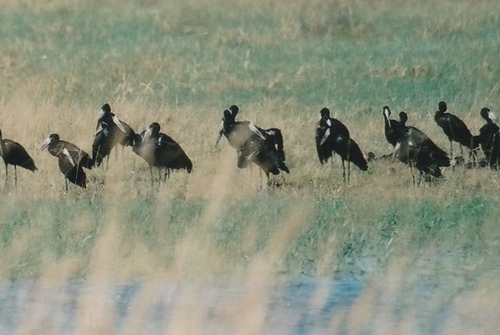
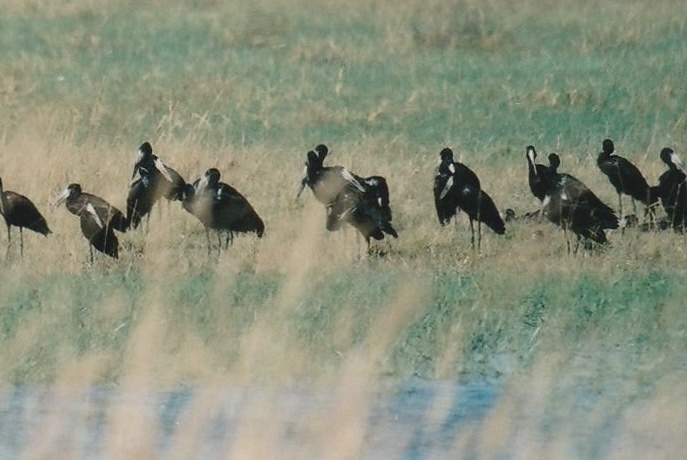
—observations
—countries
—peak records
Least ConcernConservation statusIUCN Red List categoriesLCNTVUENCREWEXLeast ConcernRed List categories, explained →
Diet & preyApple snails, Freshwater mussels, Aquatic snails
Predators
- African Fish Eagle
- Nile Crocodile
- Large raptors
ThreatsWetland drainage, agricultural pollution, habitat destruction
HabitatsWetlands, floodplains, marshes, lake shores, flooded grasslands
Life span10–15 years
Classification
- OrderCiconiiformes
- FamilyCiconiidae
- GenusAnastomus
- SpeciesAnastomus lamelligerus
Range data is not available yet.
Interaction riskLow
- Low
- Moderate
- High
- Very high
- Why interaction risk is low
- Safe to observe at a normal distance.
Responsible observation
- Distance Observation: Use binoculars or a spotting scope near wetland edges to watch their unique feeding technique without flushing the flock.
- Colony Etiquette: Keep a respectable distance from tree-nesting colonies to avoid stressing breeding pairs and chicks.
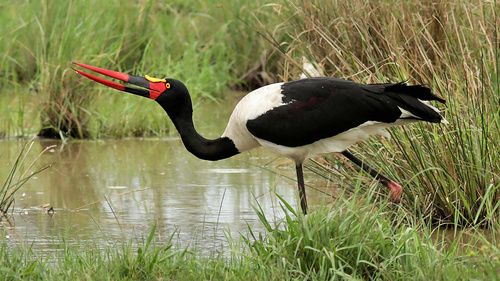
Frequent Companion (c) Wynand Uys, some rights reserved (CC BY), uploaded by Wynand Uys · cc-by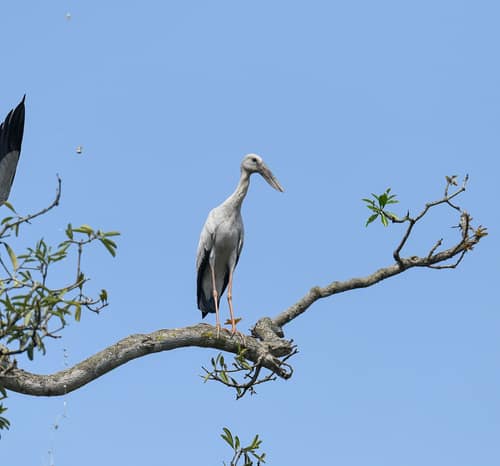
Close Relative (c) Rejoice Gassah, some rights reserved (CC BY) · cc-by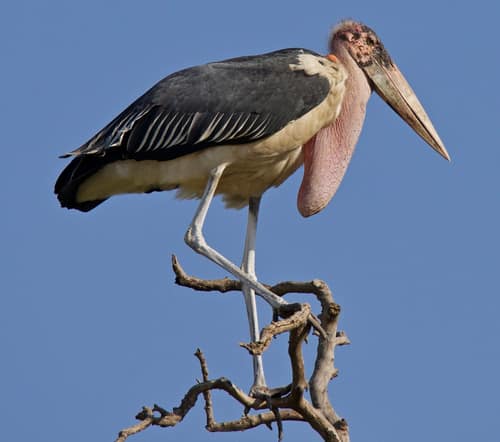
Family Relative (c) Donald Hampton, some rights reserved (CC BY-SA), uploaded by Donald Hampton · cc-by-sa
Help improve the field guideSomething wrong?
Checking your Fauna account…Report a name, category, or profile issue for review.