
Bird · GBIF taxon 5229409
Secretarybird
Sagittarius serpentariusAlso known as Secretary Bird
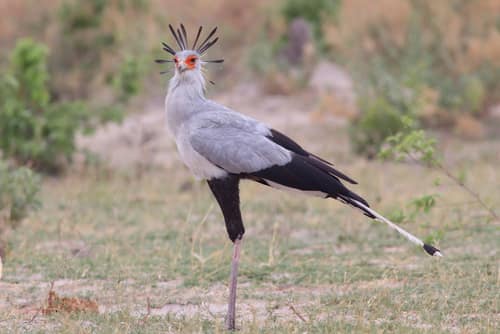
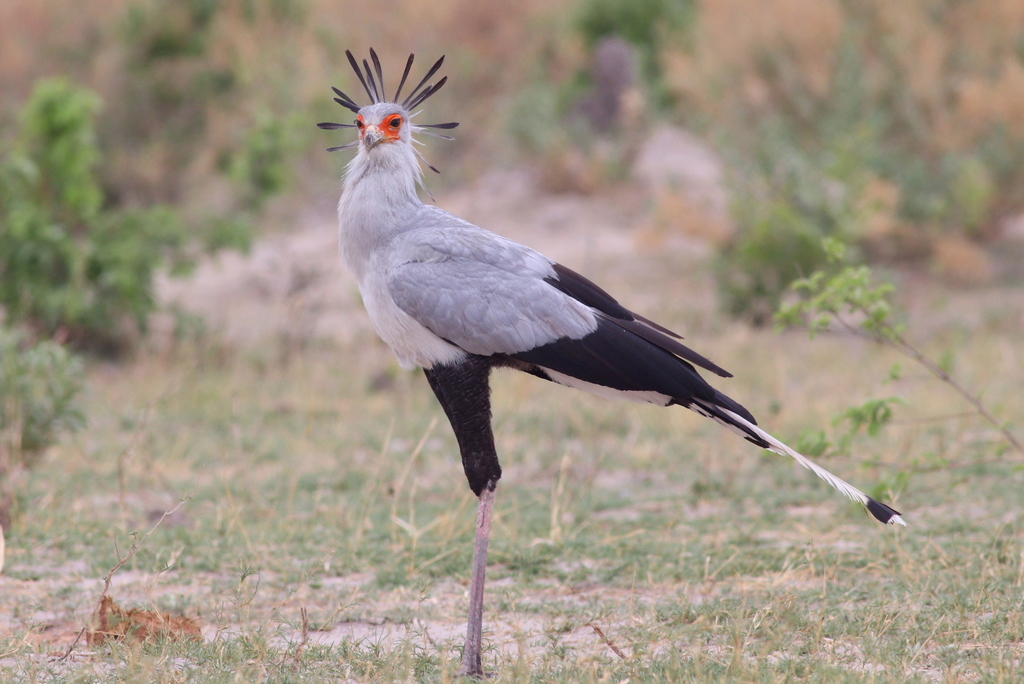
Secretarybirds stalk open African savannas on long, crane-like legs, searching the grass for prey. When striking venomous snakes or large insects, they deliver precise, high-force stamps with their talons while spreading their broad wings for balance and protection. Pairs construct flat twig nests atop thorny acacia trees and roost together year after year.
RaptorGrassland
—observations
—countries
—peak records
EndangeredConservation statusIUCN Red List categoriesLCNTVUENCREWEXEndangeredRed List categories, explained →
Diet & prey
- Snakes
- Lizards
- Grasshoppers
Predators
- Leopard
- Cheetah
- Crowned Eagle
ThreatsHabitat loss, agricultural expansion, fire management, power line collisions
HabitatsOpen grasslands, savannas, sub-desert scrub
Life span10–15 years
Size / weightNot available
Classification
- OrderAccipitriformes
- FamilySagittariidae
- GenusSagittarius
- SpeciesSagittarius serpentarius
Range data is not available yet.
Interaction riskLow
- Low
- Moderate
- High
- Very high
- Why interaction risk is low
- Capable of delivering swift, high-force kicks if cornered; observe from a safe distance.
- What to notice
- Recognizable by black quill-like crest feathers, bare orange facial skin, and extremely long pinkish legs.
- Support conservation
- Maintain a generous distance and remain in vehicles when watching to avoid disturbing feeding or nesting.
Responsible observation
- Grassland Scanning: Look for tall, walking silhouettes striding through open savanna during daylight hours.
- Maintain Distance: Observe from a safari vehicle to avoid flushing birds from their active hunting territories.
- Protect Nest Trees: Keep away from flat-topped acacia trees where pairs construct large stick nests.
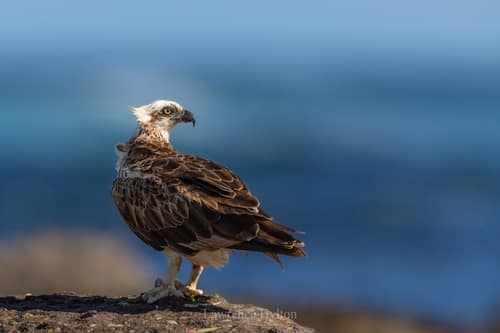
Monotypic Raptor (c) Lawrence Hylton, some rights reserved (CC BY), uploaded by Lawrence Hylton · cc-by
Reptile Hunter (c) Jan Ebr & Ivana Ebrová, some rights reserved (CC BY) · cc-by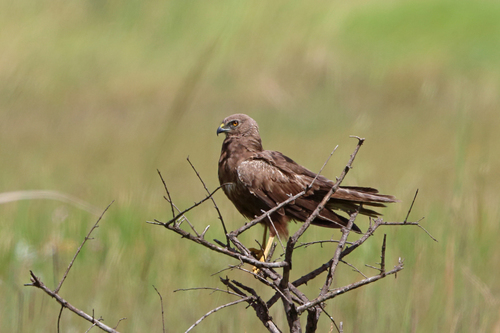
Grassland Competitor (c) Nigel Voaden, some rights reserved (CC BY) · cc-by
Help improve the field guideSomething wrong?
Checking your Fauna account…Report a name, category, or profile issue for review.