
Bird
Black Turnstone
Arenaria melanocephalaBlack Turnstones thrive along wave-battered rocky coastlines, using their short, chisel-like bills to pry loose barnacles, limpets, and mussels. In summer, they migrate north to nest in the damp coastal tundra of western Alaska, where pairs construct shallow ground scrapes lined with grass. Their dark, cryptic winter plumage transforms dramatically in flight, revealing striking black-and-white flash patterns across their wings and back.
ShorebirdMigratoryCoastal
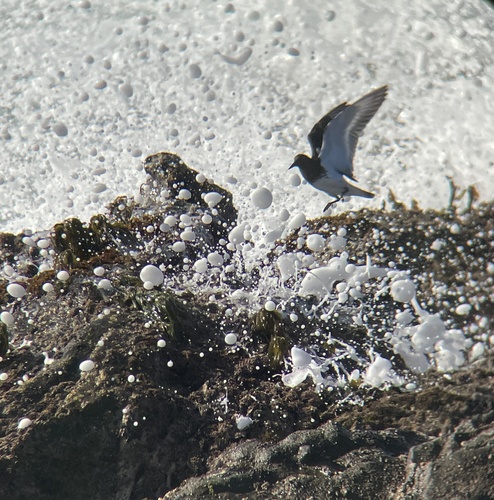
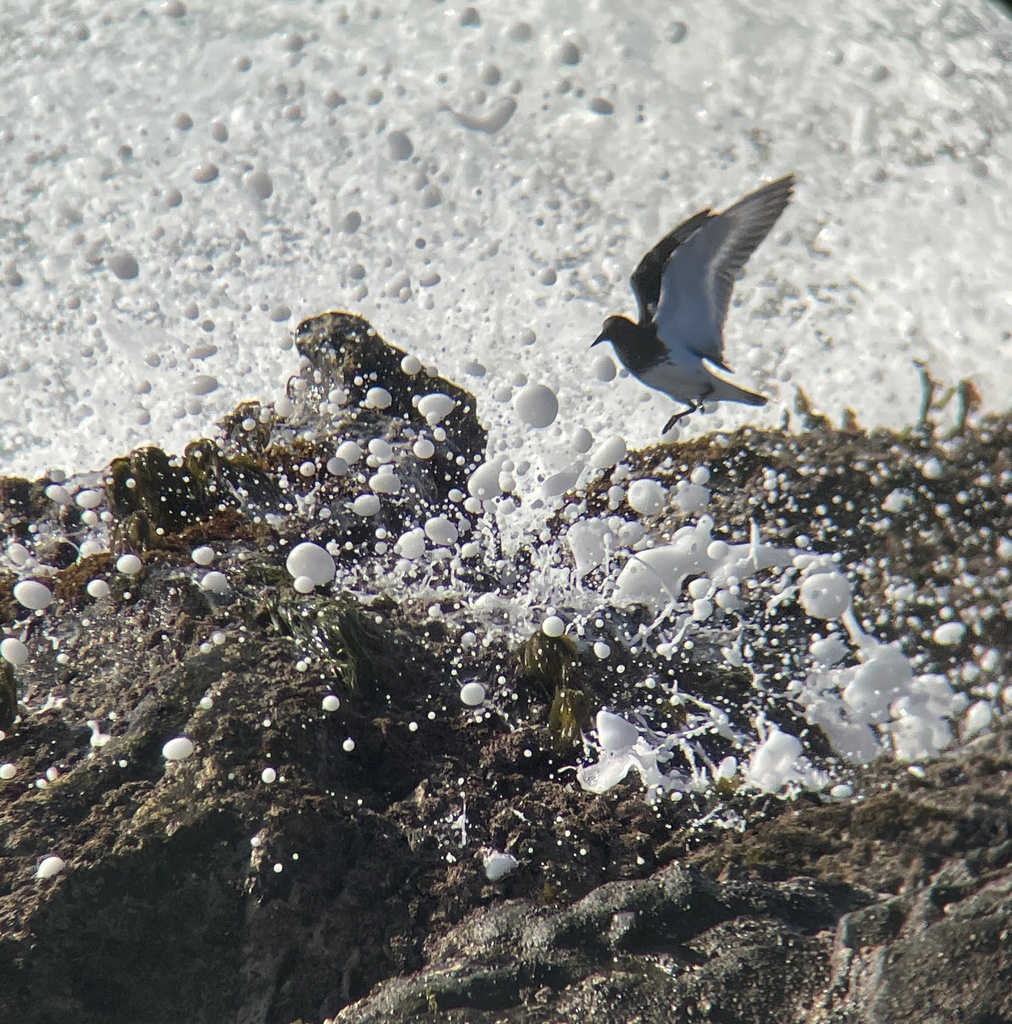
—observations
—countries
—peak records
Least ConcernConservation statusIUCN Red List categoriesLCNTVUENCREWEXLeast ConcernRed List categories, explained →
Diet & preyBarnacles, Limpets, Intertidal Crustaceans
Predators
- Peregrine Falcon
- Merlin
- Glaucous-winged Gull
ThreatsOil spills, coastal pollution, climate-driven habitat changes
HabitatsRocky intertidal zones, jetties, coastal tundra
Life span7–12 years
Classification
- FamilyScolopacidae
- SpeciesArenaria melanocephala
Range data is not available yet.
Interaction riskLow
- Low
- Moderate
- High
- Very high
- Why interaction risk is low
- Safe to observe at a normal distance.
Responsible observation
- Low Tide Spotting: Scan wave-dashed rocks and breakwaters at low tide when birds forage actively.
- Maintain Distance: Give feeding flocks ample space so they can hunt without constantly taking flight.
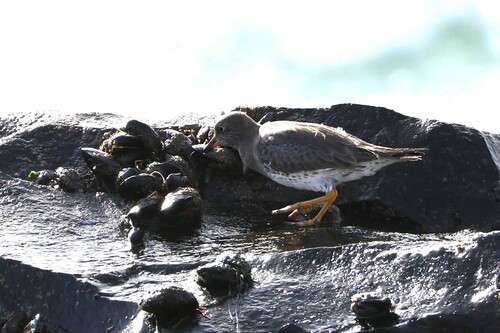
Winter Companion (c) Millie Basden, some rights reserved (CC BY) · cc-by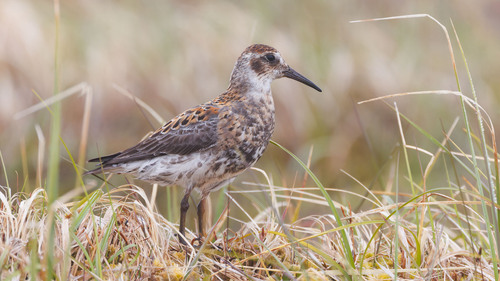
Habitat Partner (c) Михаил Голомысов, some rights reserved (CC BY), uploaded by Михаил Голомысов · cc-by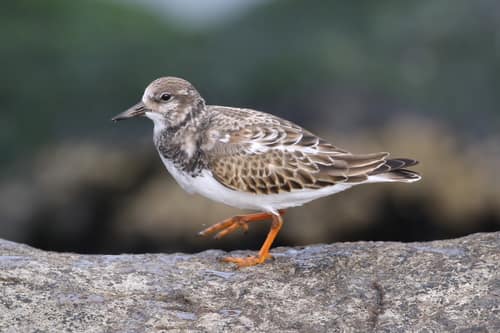
Close Relative no rights reserved, uploaded by Henggang Cui · cc0
Help improve the field guideSomething wrong?
Checking your Fauna account…Report a name, category, or profile issue for review.