
Bird · GBIF taxon 5229383
Galápagos Penguin
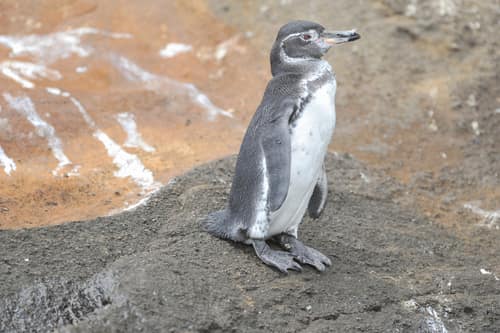
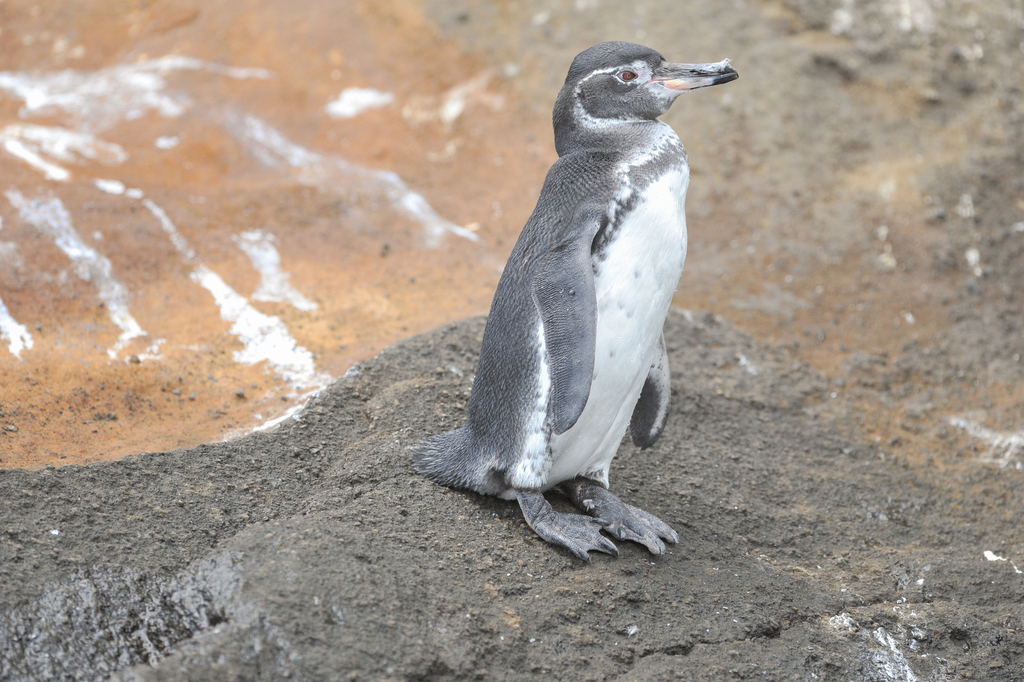
Spheniscus mendiculusGalápagos penguins hold the unique distinction of being the only wild penguin species residing north of the equator, surviving in the tropics thanks to chilly, nutrient-rich upwellings from the Cromwell and Humboldt currents. To endure equatorial heat on bare volcanic shores, they pant like dogs, hold their flippers out to shed heat, and shelter in dark lava tubes or rocky crevasses during peak sunlight. Monogamous pairs share incubation duties and forage cooperatively along coastal drop-offs, diving after small schooling fish before returning to feed their chicks.
EndemicMarine
 1 / 7
1 / 7—observations
—countries
—peak records
EndangeredConservation statusIUCN Red List categoriesLCNTVUENCREWEXEndangeredRed List categories, explained →
Diet & prey
- Mullet
- Pacific Sardine
- Anchovy
Predators
- Galápagos Hawk
- Sally Lightfoot Crab
- Galápagos Sea Lion
ThreatsEl Niño warming events causing starvation, introduced mammalian predators, plastic pollution, and fishing net entanglement.
HabitatsTropical rocky shorelines, coastal lava fields, and cold oceanic upwelling zones.
Life span15–20 years
Classification
- FamilySpheniscidae
- SpeciesSpheniscus mendiculus
Range data is not available yet.
Interaction riskLow
- Low
- Moderate
- High
- Very high
- Why interaction risk is low
- Safe to observe at a normal distance.
- What to notice
- Look for a diminutive black and white seabird with a slender white head stripe, often perched on black coastal basalt.
- Support conservation
- Observe quietly from designated trails or guided dinghy tours, never approaching active nesting crevices or blocking water access.
Responsible observation
- Distance Regulations: Maintain at least two meters of distance at all times to avoid stressing nesting or resting birds.
- Boat Etiquette: Keep marine craft at idle speeds around shallow coastal reefs where penguins surface to breathe.
- Trail Discipline: Stay strictly on marked trails to prevent collapsing delicate lava burrows where pairs incubate eggs.
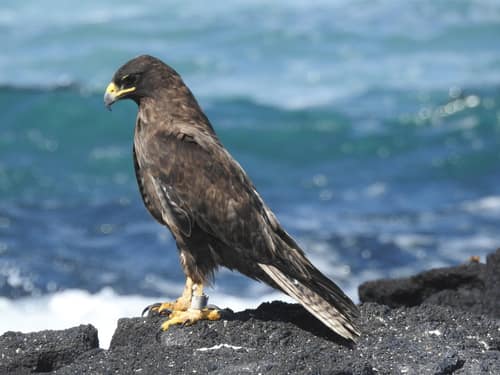
Predator (c) Tristan Jobin, some rights reserved (CC BY), uploaded by Tristan Jobin · cc-by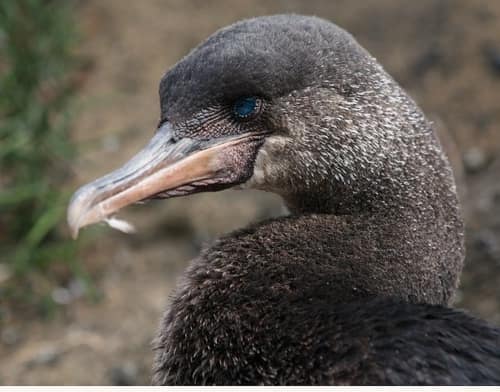
Frequent Companion (c) José Garrido, some rights reserved (CC BY), uploaded by José Garrido · cc-by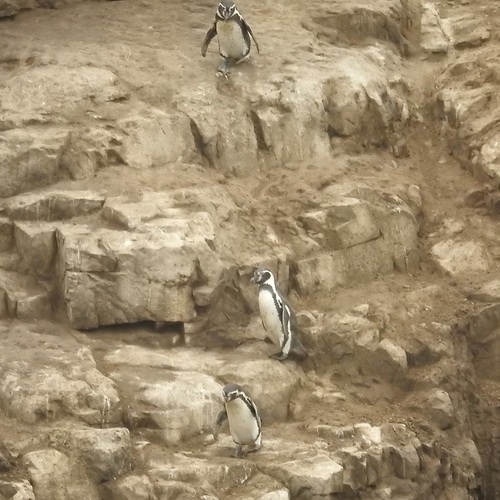
Close Relative (c) Laura Gaudette, some rights reserved (CC BY) · cc-by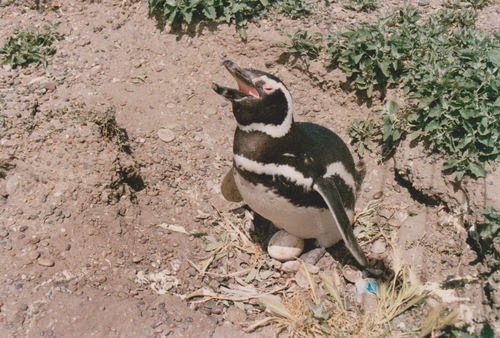
Close Relative (c) John Barkla, some rights reserved (CC BY), uploaded by John Barkla · cc-by
Help improve the field guideSomething wrong?
Checking your Fauna account…Report a name, category, or profile issue for review.