
Bird · GBIF taxon 5229199
Crab-plover
Dromas ardeolaAlso known as Crab Plover
Crab-plovers stalk tropical Indian Ocean shorelines, using heavy black bills to dismember crabs and hard-shelled invertebrates. Unique among shorebirds, colonies dig deep underground burrows in sandy dunes where solar heat assists in incubating their single white egg. Chicks remain in the burrow until grown, relying on parental feeding far longer than almost any other wader.
CoastalBurrow-NestingShorebird
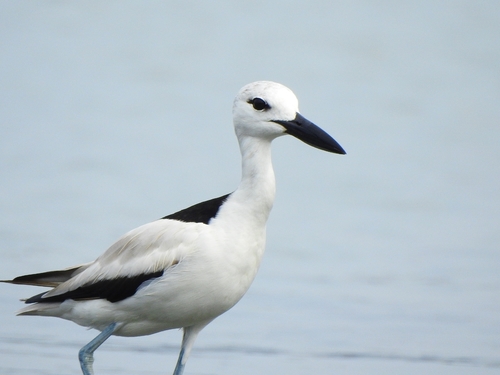
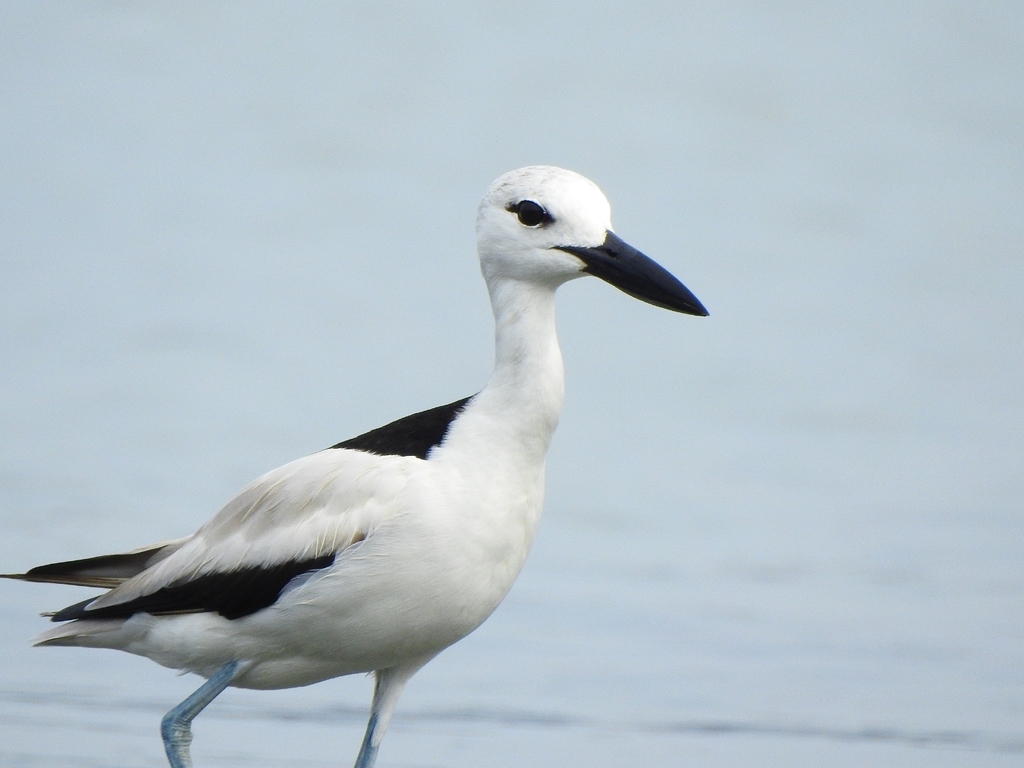 1 / 5
1 / 5—observations
—countries
—peak records
Least ConcernConservation statusIUCN Red List categoriesLCNTVUENCREWEXLeast ConcernRed List categories, explained →
Diet & prey
- Crabs
- Marine crustaceans
- Mollusks
Predators
- Raptors
- Feral cats
- Rats
ThreatsCoastal development, human disturbance at nesting sites, invasive predators
HabitatsSandy shorelines, coral reefs, mudflats, estuaries
Life span10–15 years
Size / weightNot available
Classification
- FamilyDromadidae
- SpeciesDromas ardeola
Range data is not available yet.
Interaction riskLow
- Low
- Moderate
- High
- Very high
- Why interaction risk is low
- Safe to observe from a distance; the heavy bill can pinch if handled.
- What to notice
- Recognize adults by their stark black-and-white body, long grey legs, and heavy black bill near sandy beaches.
- Support conservation
- Maintain a wide distance from breeding colonies and never walk across sandy banks where burrows are present.
Responsible observation
- Dune Caution: Keep clear of sandy dunes where underground nesting burrows easily collapse.
- Tide Timing: Scan intertidal mudflats during low tide when large flocks gather to feed.
- Listen for Calls: Identify roosting groups by their loud, dog-like barking calls.
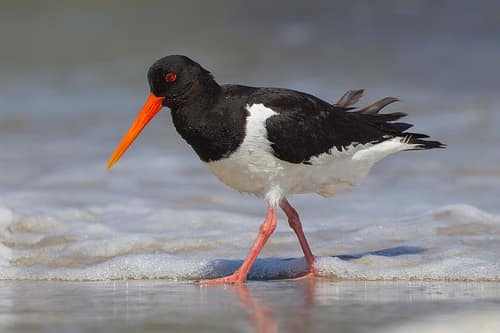
Ecological Counterpart Andreas Trepte / CC BY-SA 2.5 · cc-by-sa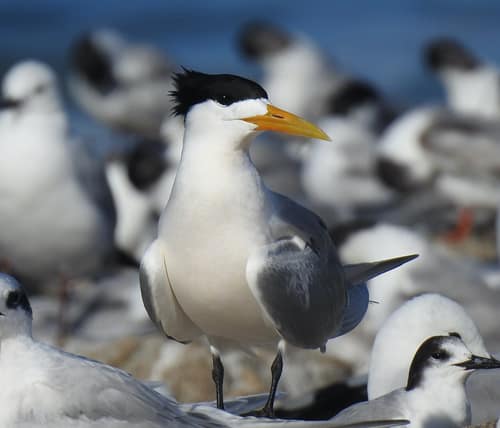
Frequent Companion mattf1996 / CC BY 4.0 · cc-by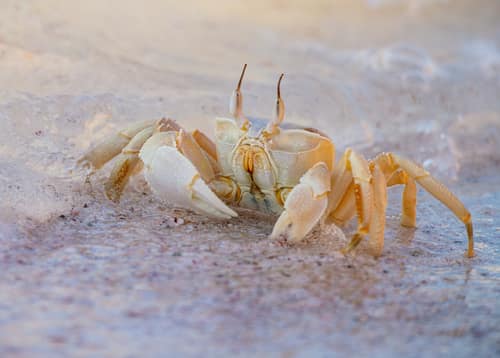
Prey (c) Morten Ross, some rights reserved (CC BY), uploaded by Morten Ross · cc-by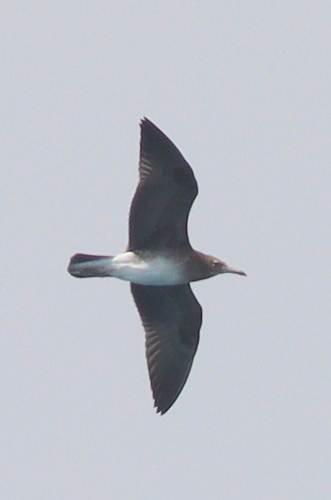
Close Relative (c) Jan Ebr & Ivana Ebrová, some rights reserved (CC BY) · cc-by
Help improve the field guideSomething wrong?
Checking your Fauna account…Report a name, category, or profile issue for review.