
Bird
African Marsh Harrier
Circus ranivorusAlso known as African Marsh-Harrier
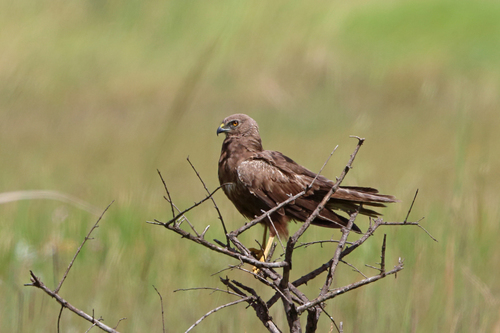
African marsh harriers quarter low over dense reedbeds and flooded grasslands, gliding on broad wings held in a distinct V-shape to flush out prey. They rely on acute hearing and keen sight to detect rodents, frogs, and small birds hiding beneath marsh vegetation. Monogamous pairs build platform nests hidden deep within tall reeds and defend breeding territories with aerial displays.
WetlandRaptorDiurnal
—observations
—countries
—peak records
Least ConcernConservation statusIUCN Red List categoriesLCNTVUENCREWEXLeast ConcernRed List categories, explained →
Diet & preyFrogs, Rodents, Waterbirds
Predators
- Jackals
- Large Owls
- Pythons
ThreatsWetland drainage, habitat degradation, pesticide accumulation
HabitatsFreshwater marshes, reedbeds, floodplains, dam margins
Life span10–15 years
Classification
- OrderAccipitriformes
- FamilyAccipitridae
- GenusCircus
- SpeciesCircus ranivorus
Range data is not available yet.
Interaction riskLow
- Low
- Moderate
- High
- Very high
- Why interaction risk is low
- Capable of inflicting sharp talon scratches if cornered; keep a safe distance.
- What to notice
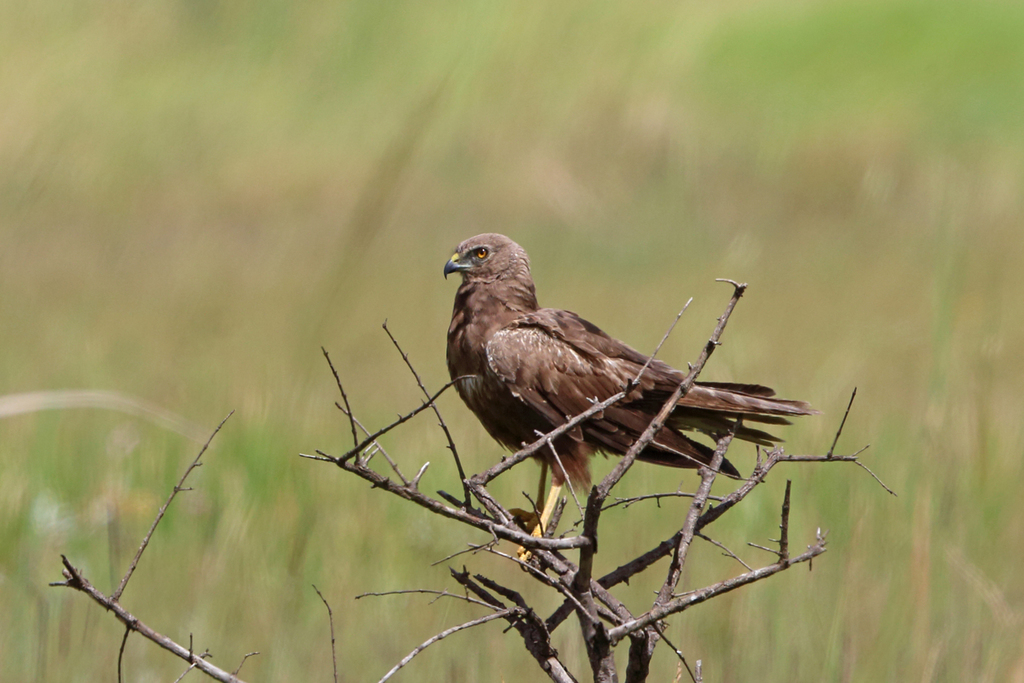
- Look for a medium brown raptor with pale facial disk, streaked chest, yellow legs, and long wings held in a dihedral shape over wetlands.
- Support conservation
- Observe strictly from perimeter paths or bird hides, keeping clear of sensitive reedbeds during the nesting season.
Responsible observation
- Look for Low Flight: Watch for brown raptors hovering slowly over tall reeds with wings tilted upward.
- Maintain Nest Distance: Stay clear of dense reedbeds during spring and summer to avoid disturbing breeding pairs.
- Use Spotting Scopes: Observe foraging behaviors from elevated dry ground along marsh margins.
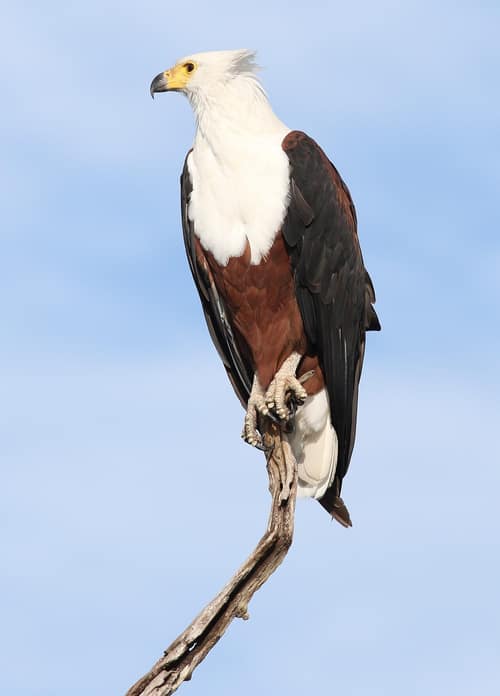
Frequent Companion Derek Keats from Johannesburg, South Africa / CC BY 2.0 · cc-by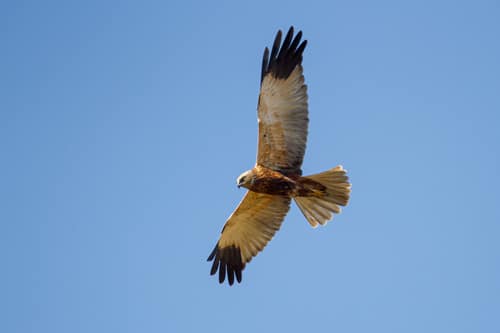
Close Relative (c) Artem Kuznetsov, some rights reserved (CC BY), uploaded by Artem Kuznetsov · cc-by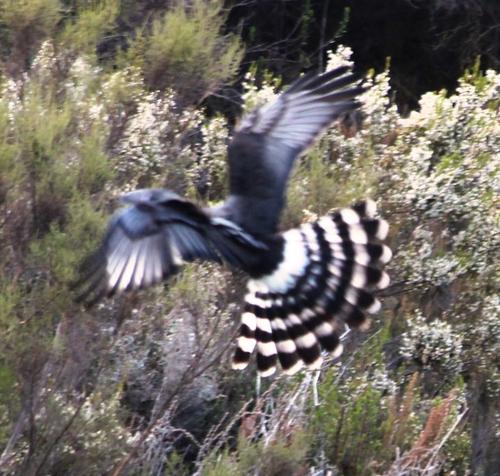
Close Relative (c) Tony Rebelo, some rights reserved (CC BY-SA), uploaded by Tony Rebelo · cc-by-sa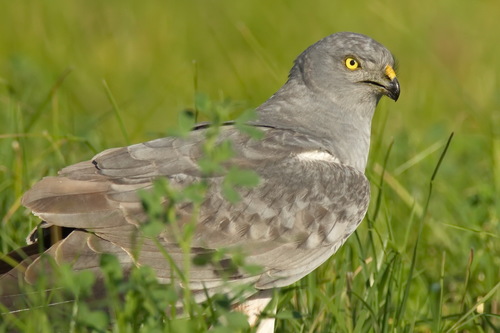
Migratory Relative (c) Вячеслав Юсупов, some rights reserved (CC BY), uploaded by Вячеслав Юсупов · cc-by
Keep collecting in Fauna
Found in Collections
Ecosystem chain Pro
Mystic Meadows
African Marsh Harrier is found in this collection. Identify it in Fauna to fill this slot and continue your progress.
Unlock to track progress
Help improve the field guideSomething wrong?
Checking your Fauna account…Report a name, category, or profile issue for review.