
Bird · GBIF taxon 5229167
Black Kite
Milvus migransAlso known as Fire Kite, Pariah Kite, Fork-tailed Kite
Black kites soar effortlessly on thermal currents, using their distinctive shallow-forked tails as precise rudders while scanning the ground for food. These opportunistic scavengers gather in large flocks around cities, garbage dumps, slaughterhouses, and water bodies, snatching food items on the wing without landing. In parts of Australia, they have earned the name fire kites for picking up burning twigs to spread wildfires and flush out hidden prey.
ScavengerMigratoryRaptor
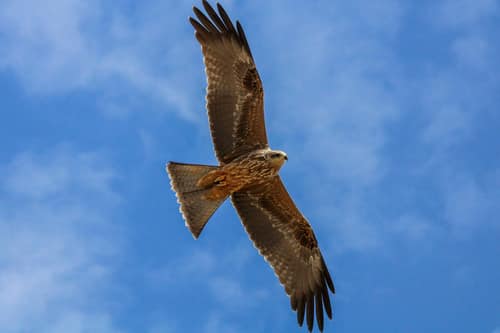
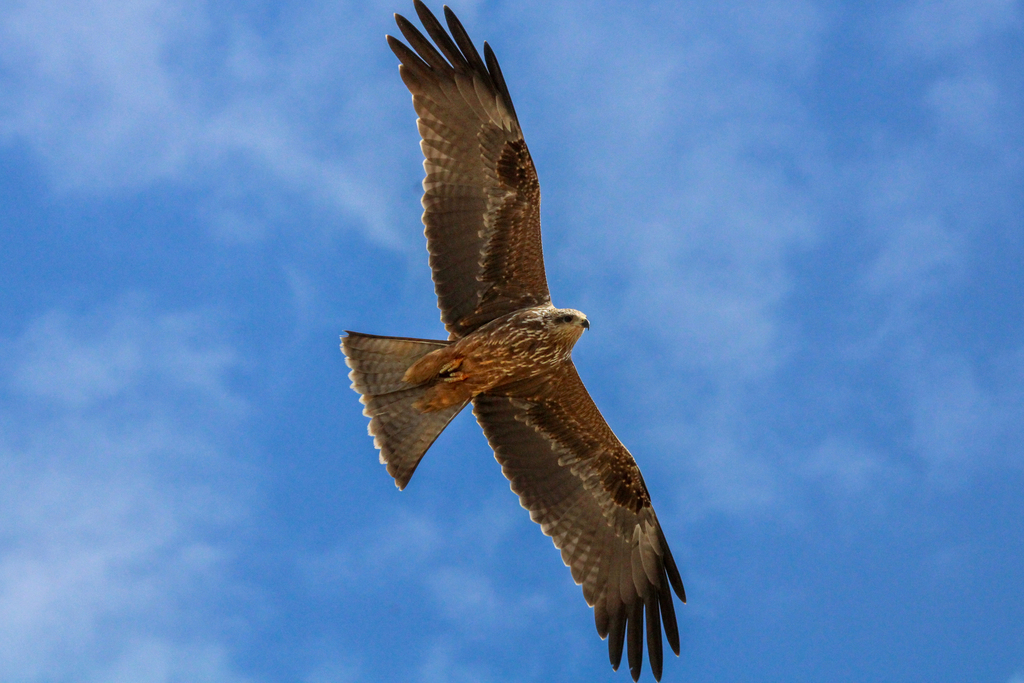
—observations
—countries
—peak records
Least ConcernConservation statusIUCN Red List categoriesLCNTVUENCREWEXLeast ConcernRed List categories, explained →
Diet & prey
- Rodents
- Fish
- Insects
Predators
- Eagles
- Large owls
ThreatsSecondary poisoning, power line electrocution, and direct persecution
HabitatsOpen woodland, savanna, riverbanks, and urban areas
Life span15–24 years
Size / weightNot available
Classification
- OrderAccipitriformes
- FamilyAccipitridae
- GenusMilvus
- SpeciesMilvus migrans
Range data is not available yet.
Interaction riskLow
- Low
- Moderate
- High
- Very high
- Why interaction risk is low
- Safe to observe at a normal distance.
Responsible observation
- Thermal Spotting: Look up during warm afternoons when flocks circle high on rising air currents.
- Refuse Monitoring: Watch for dense congregations around dumps, fish markets, and riverbanks.
- Tail Identification: Look for a slightly notched tail that twists laterally during low flight.
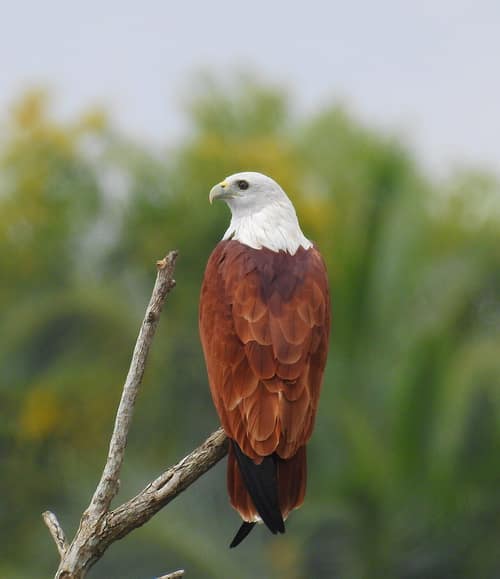
Competitor Afsar Nayakkan / CC BY 4.0 · cc-by Image unavailable
Ecological Counterpart 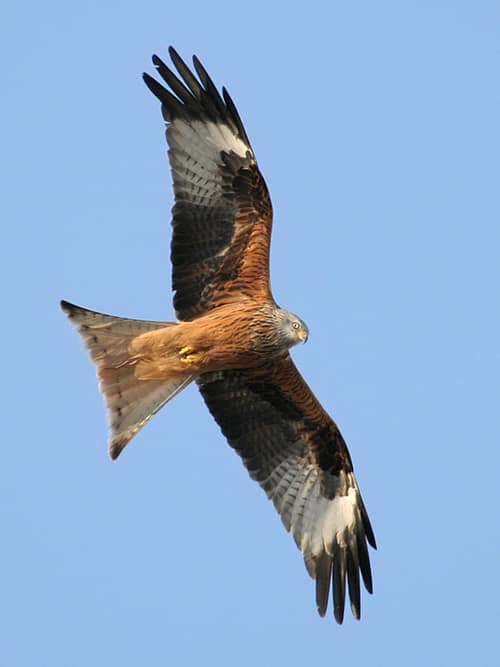
Close Relative Thomas Kraft (ThKraft) / CC BY-SA 2.5 · cc-by-sa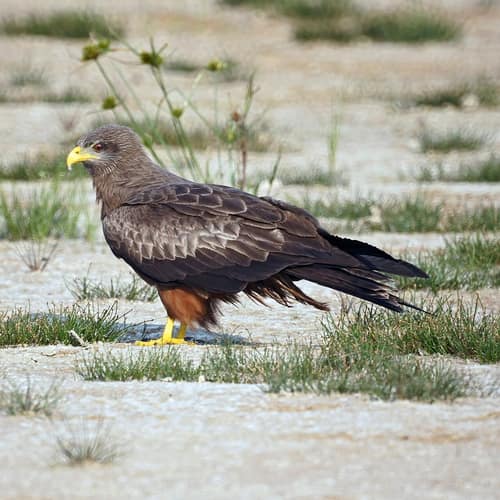
Close Relative New Jersey Birds / CC BY-SA 2.0 · cc-by-sa
Keep collecting in Fauna
Found in Collections
Ecosystem chain Pro
Mystic Meadows
Black Kite is found in this collection. Identify it in Fauna to fill this slot and continue your progress.
Unlock to track progress
Help improve the field guideSomething wrong?
Checking your Fauna account…Report a name, category, or profile issue for review.