
Bird · GBIF taxon 5229153
Wrybill
Anarhynchus frontalisAlso known as Wrybill Plover, Ngutu Parore
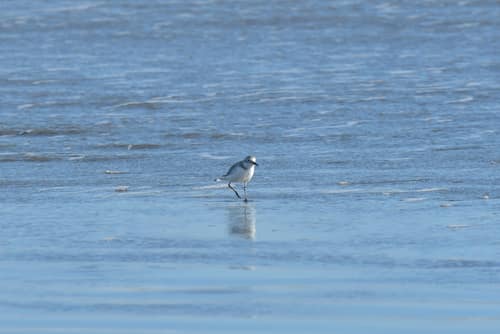
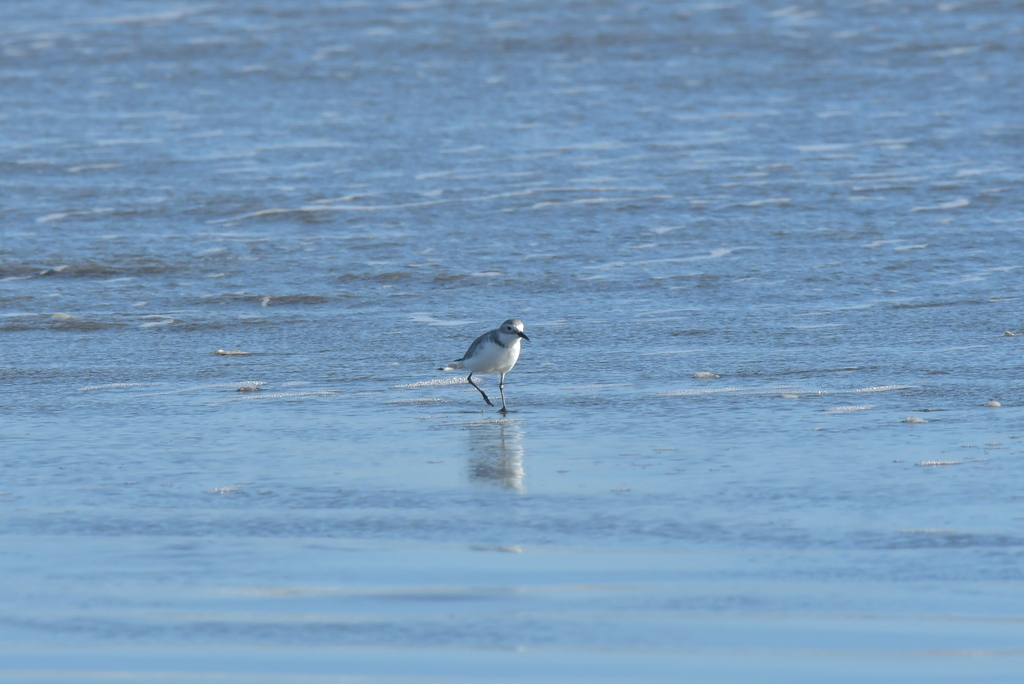
Wrybills possess a unique evolutionary adaptation found in no other bird, a bill permanently curved 12 to 20 degrees to the right. They use this specialized tool to scoop underneath rounded river pebbles for aquatic insect larvae during their breeding season on South Island braided rivers. Every autumn, the entire population migrates northward to winter on the shallow mudflats and estuaries of the North Island.
EndemicShorebirdUnique Bill
—observations
—countries
—peak records
VulnerableConservation statusIUCN Red List categoriesLCNTVUENCREWEXVulnerableRed List categories, explained →
Diet & prey
- Mayfly larvae
- Caddisfly larvae
- Small marine crustaceans
Predators
- Stoat
- Feral cat
- Southern black-backed gull
ThreatsPredation by invasive stoats and feral cats, riverbed weed infestation, water abstraction
HabitatsBraided riverbeds, estuarine mudflats, coastal lagoons, gravel beaches
Life span10–18 years
Size / weightNot available
Classification
- FamilyCharadriidae
- SpeciesAnarhynchus frontalis
Range data is not available yet.
Interaction riskLow
- Low
- Moderate
- High
- Very high
- Why interaction risk is low
- Safe to observe at a normal distance.
- What to notice
- Look for a small pale grey plover with a single dark chest band and a bill curved to the right.
- Support conservation
- Keep a respectful distance during breeding season and avoid driving vehicles on gravel riverbeds.
Responsible observation
- Observing feeding: Look for the distinctive sideways sweeping action around stream rocks.
- Nesting caution: Avoid walking on riverbed shingle islands from September to December.
- Optimal timing: Visit northern mudflats during winter months to see high-tide roosts.
Help improve the field guideSomething wrong?
Checking your Fauna account…Report a name, category, or profile issue for review.