
Bird · GBIF taxon 5229146
Southern Lapwing
Vanellus chilensisAlso known as Tero, Quero-quero, Tero-tero, Queltehue
Southern lapwings act as vigilant sentries of South American grasslands, sounding harsh, piercing alarm calls at the slightest disturbance and warning all wildlife nearby. Equipped with sharp carpal spurs on the bend of their wings, mated pairs defend open ground scrapes with fierce aerial dive-bombs against much larger animals. Outside the breeding season, they gather in small foraging flocks along agricultural pastures, urban lawns, and riverbanks, probing moist soil for invertebrates.
Ground-NestingVocalWidespread
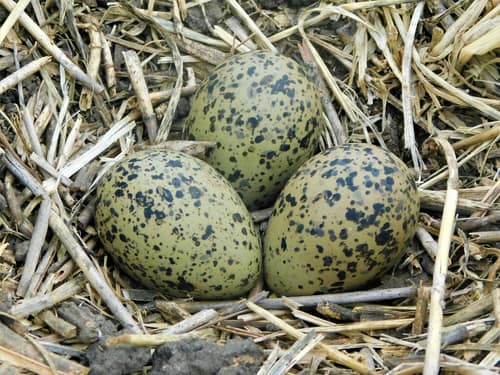
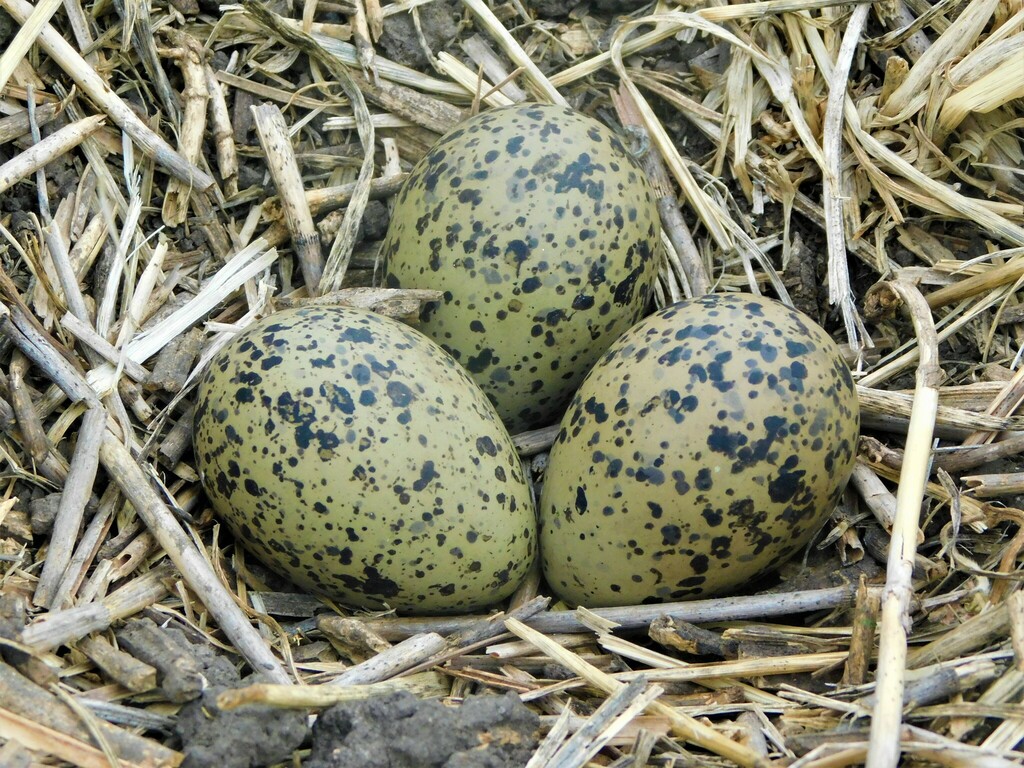
—observations
—countries
—peak records
Least ConcernConservation statusIUCN Red List categoriesLCNTVUENCREWEXLeast ConcernRed List categories, explained →
Diet & prey
- Earthworms
- Grasshoppers
- Beetle Larvae
Predators
- Crab-eating Fox
- Roadside Hawk
- Feral Dog
ThreatsAgricultural intensification, ground-nest destruction by farm equipment, and predation by domestic dogs
HabitatsPastures, savannas, riverbanks, lake margins, agricultural fields, and urban lawns
Life span10–15 years
Size / weightNot available
Classification
- OrderCharadriiformes
- FamilyCharadriidae
- GenusVanellus
- SpeciesVanellus chilensis
Range data is not available yet.
Interaction riskLow
- Low
- Moderate
- High
- Very high
- Why interaction risk is low
- Nesting adults dive-bomb intruders with sharp wing spurs; give active ground nests a wide berth.
- Why it is dangerous
- Sharp bony spurs on the wing joints can strike intruders during aggressive aerial dive-bombing runs around active ground nests.
- How to recognize a risky encounter
- Recognizable by the thin black crest, red irises, black breast patch, and red spurs on the leading edge of each wing.
- What to do
- Do not approach active nests; if dive-bombed, raise an umbrella or hand above head level and walk steadily away.
Responsible observation
- Breeding Season Caution: If birds screech loudly and bank low overhead, retreat immediately to clear their nesting zone.
- Binocular Observation: Watch from distance across open pasture to view their foot-trembling ground foraging without causing alarm.
 Image unavailable
Same Genus 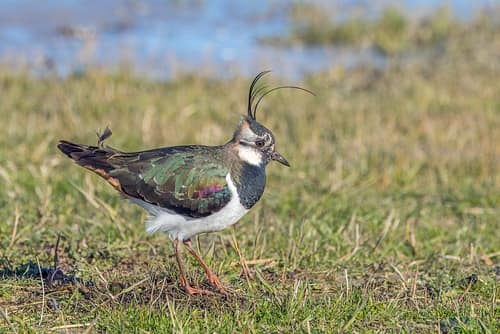
Same Genus Charles J. Sharp / CC BY-SA 4.0 · cc-by-sa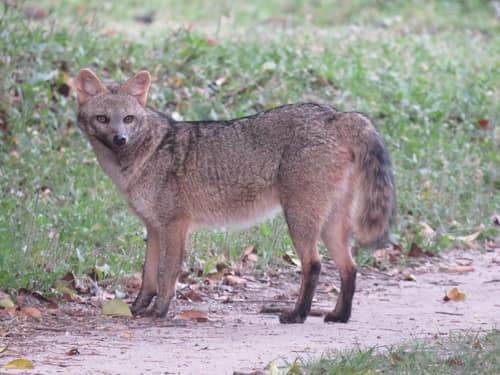
Predator no rights reserved, uploaded by Diego Carús · cc0Same Family
Help improve the field guideSomething wrong?
Checking your Fauna account…Report a name, category, or profile issue for review.