
Bird
Masked Lapwing
Vanellus milesAlso known as Spur-winged Plover, Spurwing Plover, Masked Plover, Alatoc
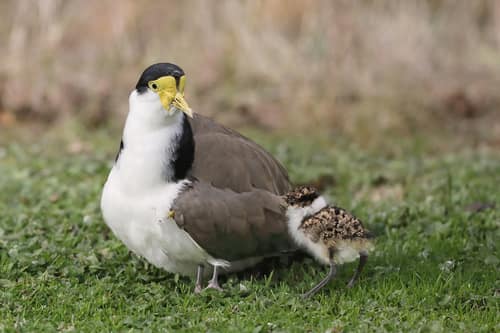
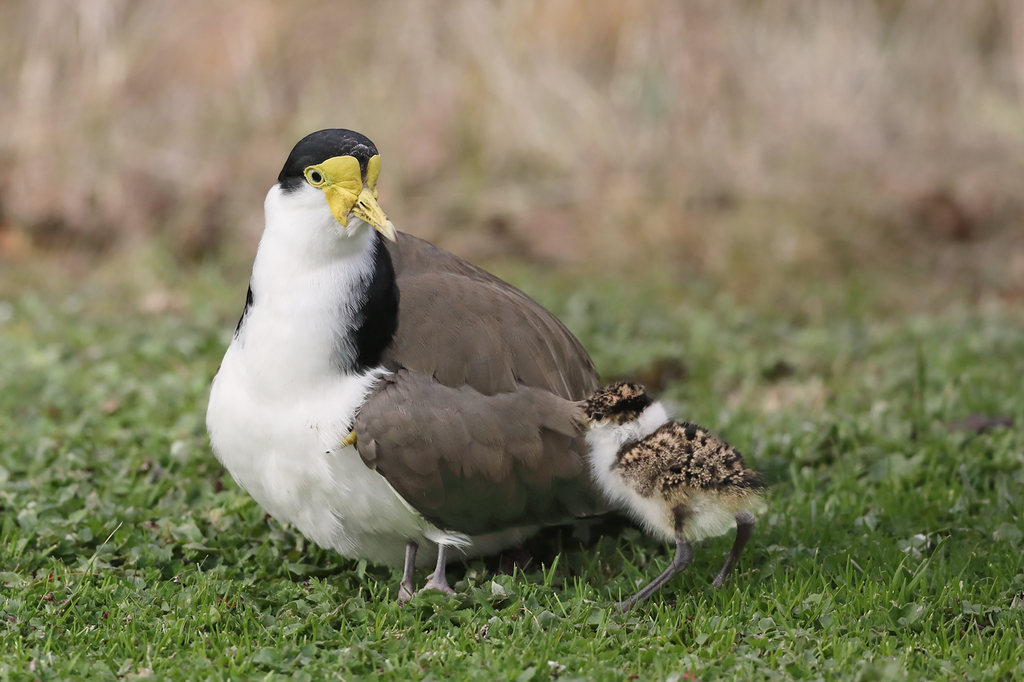
Masked lapwings are conspicuous ground-dwelling plovers instantly recognizable by their bright yellow facial wattles and sharp, yellow carpal wing spurs. Pairs form lifelong monogamous bonds and defend expansive open territories, often choosing bare ground, sports ovals, or roadside verges to lay their eggs. When defending their nest or precocial chicks, adults launch into screeching, low-altitude swooping dives to drive away intruding animals and humans.
Ground-nestingVocalWading Bird
—observations
—countries
—peak records
Least ConcernConservation statusIUCN Red List categoriesLCNTVUENCREWEXLeast ConcernRed List categories, explained →
Diet & preyEarthworms, Beetle Larvae, Field Crickets
Predators
- Red Fox
- Feral Cat
- Peregrine Falcon
ThreatsVehicle strikes, lawn mowing of nests, and predation by domestic pets
HabitatsPastures, coastal mudflats, wetlands, lawns, and urban parks
Life span10–16 years
Classification
- OrderCharadriiformes
- FamilyCharadriidae
- GenusVanellus
- SpeciesVanellus miles
Range data is not available yet.
Interaction riskLow
- Low
- Moderate
- High
- Very high
- Why interaction risk is low
- Nesting adults aggressively swoop intruders and can strike with sharp wing spurs; give nests wide berth.
- Why it is dangerous
- Defending parents dive-bomb intruders at high speed, striking with sharp, yellow wing-joint spurs that can scratch or bruise skin.
- How to recognize a risky encounter
- Look for bright lemon-yellow facial wattles hanging beside the beak and yellow thorn-like spurs on the wing bends.
- What to do
- Hold an open umbrella or branch overhead and walk away calmly without running or waving your arms.
Responsible observation
- Give Nests Space: Detour around grassy nesting areas during spring to avoid defensive dive-bombing.
- Listen for Alarms: A staccato, grating rattle indicates you have walked into an active nesting territory.
- Restrain Pets: Keep dogs leashed near wetlands and park lawns to protect vulnerable ground-dwelling chicks.
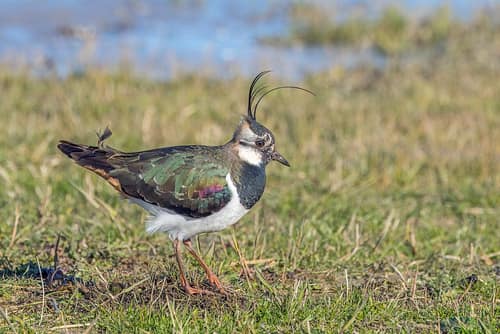
Same Genus Charles J. Sharp / CC BY-SA 4.0 · cc-by-sa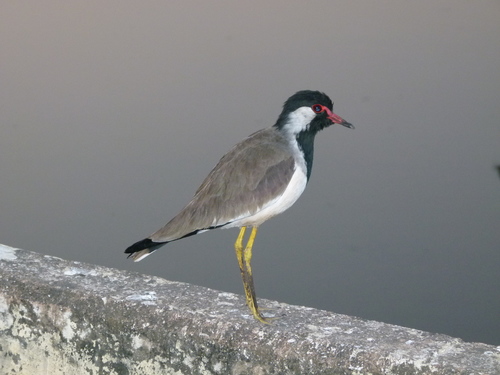
Same Genus (c) Yves Bas, some rights reserved (CC BY), uploaded by Yves Bas · cc-by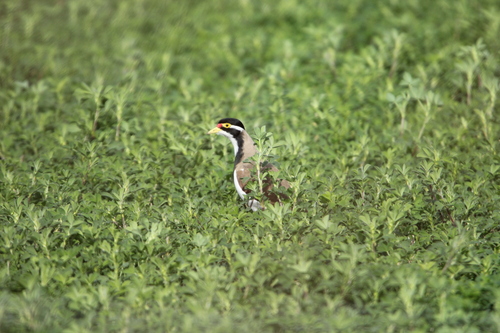
Close Relative no rights reserved · cc0 Image unavailable
Same Family 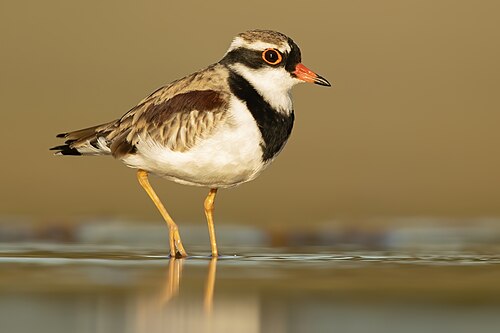
Same Family JJ Harrison (https://www.jjharrison.com.au/) / CC BY-SA 4.0 · cc-by-sa
Help improve the field guideSomething wrong?
Checking your Fauna account…Report a name, category, or profile issue for review.