
Bird
Yellow-wattled Lapwing
Vanellus malabaricusAlso known as Malabar Lapwing
Yellow-wattled lapwings thrive across the arid stony plains and fallow croplands of South Asia, moving deftly on long yellow legs while scanning the bare soil for terrestrial invertebrates. Monogamous pairs defend open ground territories with sharp, staccato calls and fly steep, agile swoops when intruder threats appear. Attuned to seasonal monsoon rhythms, they wander locally to follow fresh flushes of insect activity across dry landscapes.
Ground-nestingInsectivoreArid Plains
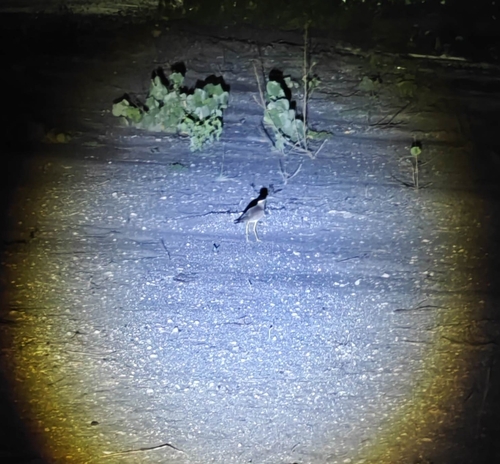
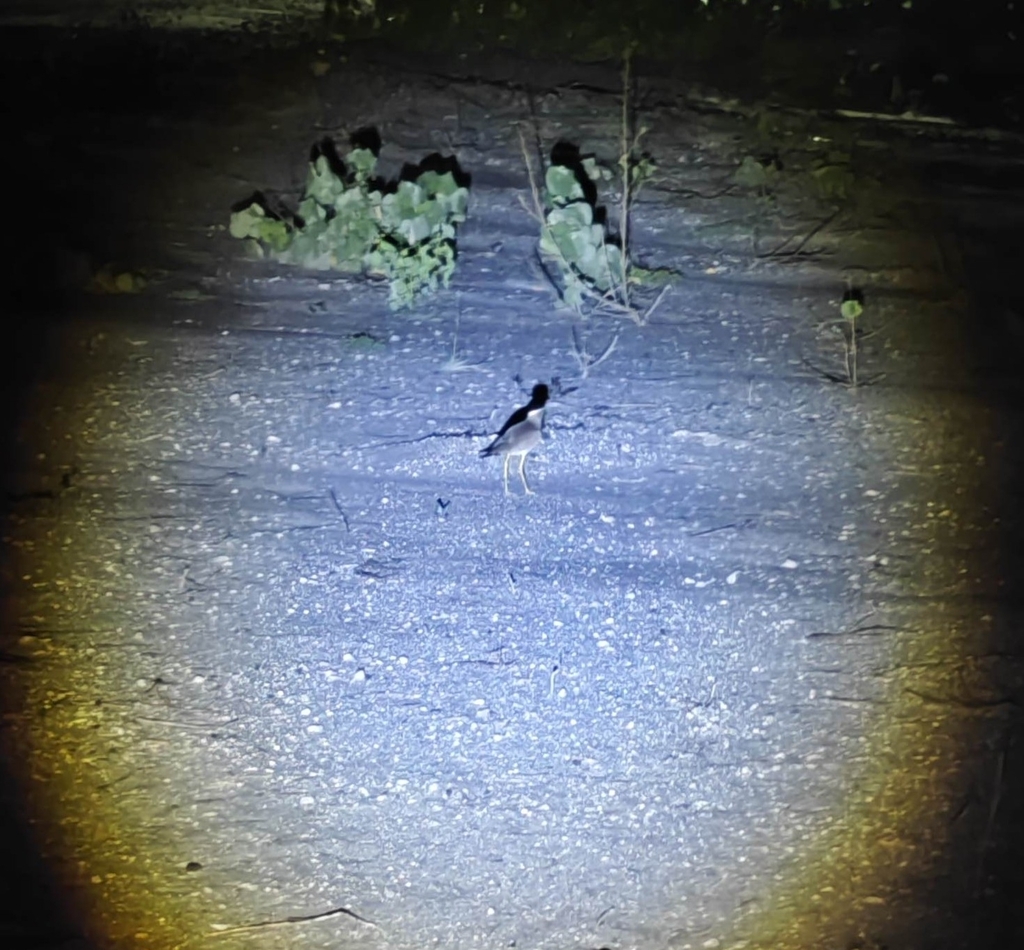
—observations
—countries
—peak records
Least ConcernConservation statusIUCN Red List categoriesLCNTVUENCREWEXLeast ConcernRed List categories, explained →
Diet & preyBeetle, Termite, Grasshopper
Predators
- Feral dog
- Black kite
- Bengal monitor
ThreatsAgricultural intensification, ground-nest trampling, habitat conversion, and predation by feral animals
HabitatsDry open plains, stony scrublands, fallow fields, and degraded arid grasslands
Life span8–12 years
Classification
- FamilyCharadriidae
- SpeciesVanellus malabaricus
Range data is not available yet.
Interaction riskLow
- Low
- Moderate
- High
- Very high
- Why interaction risk is low
- Safe to observe at a normal distance.
Responsible observation
- Spotting: Scan dry, gravelly fallow fields and pastures where their plumage blends into bare dirt.
- Breeding Season Care: Watch your footing carefully in spring and summer to avoid crushing camouflaged ground nests.
- Listening: Listen for high, shrill 'tchee-it' whistles that echo across open plains when intruders approach.
 Image unavailable
Same Genus 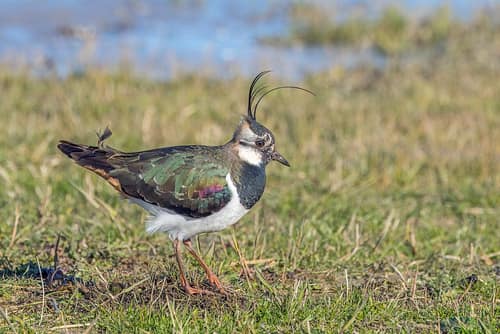
Same Genus Charles J. Sharp / CC BY-SA 4.0 · cc-by-sa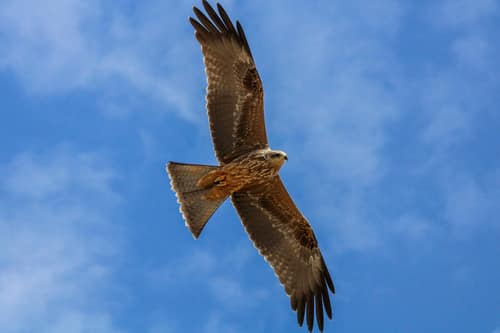
Predator no rights reserved, uploaded by Joshua S. Martin · cc0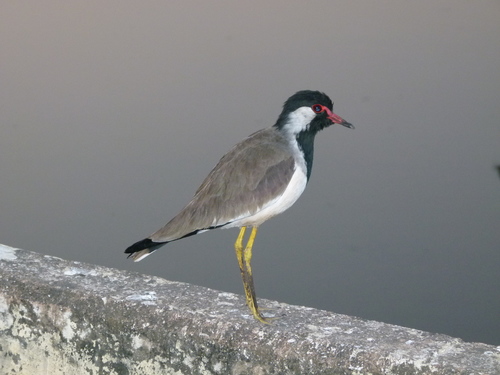
Close Relative (c) Yves Bas, some rights reserved (CC BY), uploaded by Yves Bas · cc-by
Help improve the field guideSomething wrong?
Checking your Fauna account…Report a name, category, or profile issue for review.