
Bird
Alexandrine Parakeet
Psittacula eupatriaAlso known as Alexandrine Parrot
Alexandrine parakeets are noisy, gregarious woodland parrots celebrated for their deep, ringing flight calls and remarkable vocal mimicry. They forage in small family parties or large communal flocks, using their massive red beaks to crack open tough tree nuts and strip bark to reach cambium. During the breeding season, pairs excavate or enlarge hollows in mature trees, defending their nest sites aggressively against rival cavity nesters.
VocalFrugivoreCavity Nester
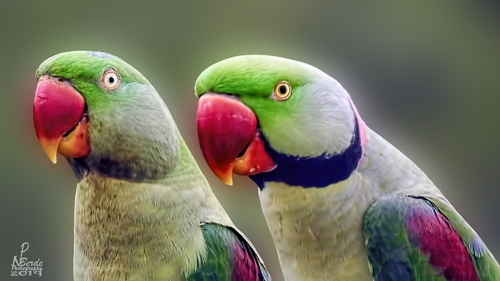
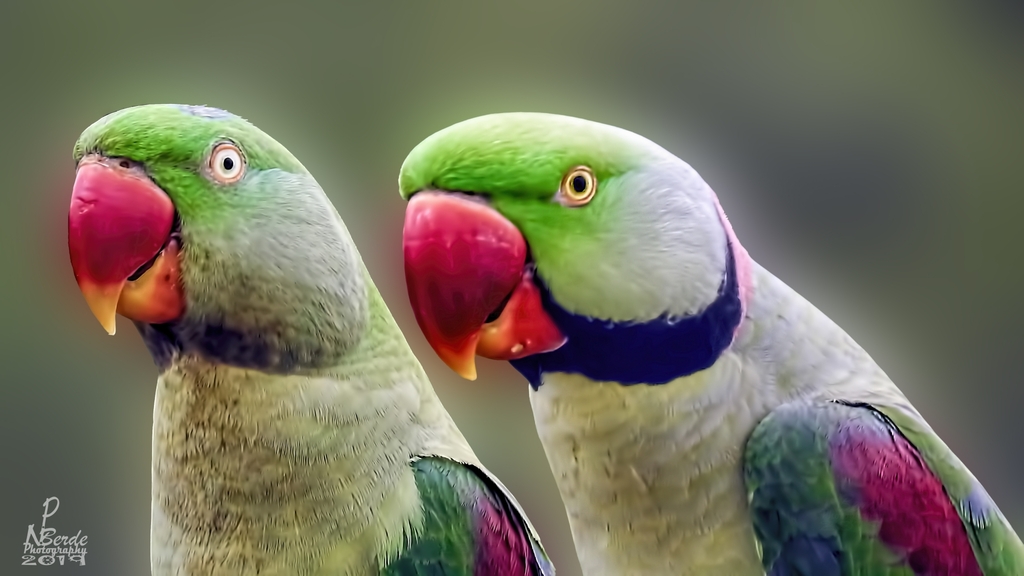
—observations
—countries
—peak records
Near ThreatenedConservation statusIUCN Red List categoriesLCNTVUENCREWEXNear ThreatenedRed List categories, explained →
Diet & preyFigs, Wild nuts, Flower nectar
Predators
- Peregrine Falcon
- Black Kite
- Bengal Monitor
ThreatsPoaching for the wild pet trade, extensive deforestation, and loss of old nesting trees
HabitatsMoist and dry deciduous forests, woodlands, agricultural land, and urban parks
Life span20–30 years in the wild; up to 40 years in captivity
Classification
- FamilyPsittacidae
- SpeciesPsittacula eupatria
Range data is not available yet.
Interaction riskLow
- Low
- Moderate
- High
- Very high
- Why interaction risk is low
- Possesses a powerful beak capable of a severe bite; observe wild birds from a safe distance.
- Why it is dangerous
- Possesses an exceptionally strong, hooked bill engineered to crush hard nuts, which can inflict painful puncture wounds or bone damage if handled.
- How to recognize a risky encounter
- Look for a large green parrot with an oversized, deep-red hooked bill and conspicuous reddish-maroon patches on each shoulder.
- What to do
- Never attempt to catch or grab wild birds; call a licensed wildlife rehabilitator if an injured parakeet is found.
- What to notice
- Recognizable by its long, pointed blue-green tail and loud vocalizations around large tree hollows.
- Support conservation
- Never disclose the locations of active nesting cavities online to shield breeding pairs from poachers.
Responsible observation
- Listen for Calls: Locate flocks by their loud, grating 'ke-ak' flight calls echoing through the canopy.
- Scan Old Growth: Look for nesting hollows in large, mature trees like sal, teak, or old banyans.
- Maintain Distance: Keep a respectful distance near nest cavities to avoid disturbing brooding parents.
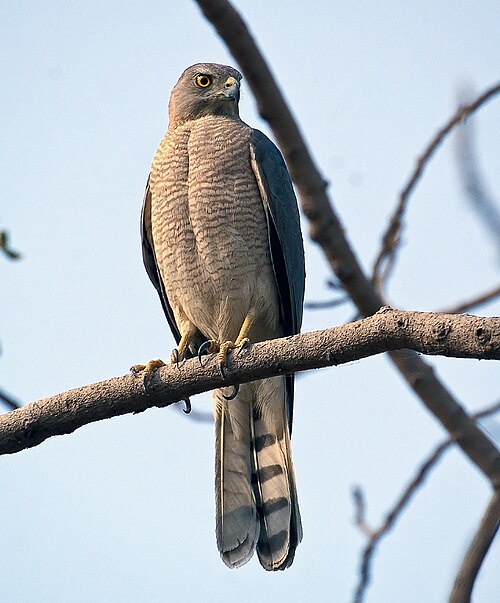
Predator Ravi Vaidyanathan / CC BY 2.5 · cc-by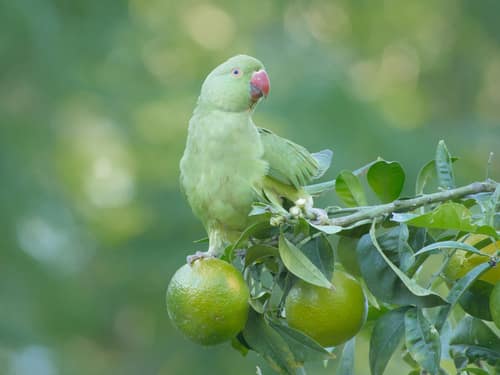
Close Relative (c) Cristian Hurtado Cusnir, some rights reserved (CC BY), uploaded by Cristian Hurtado Cusnir · cc-by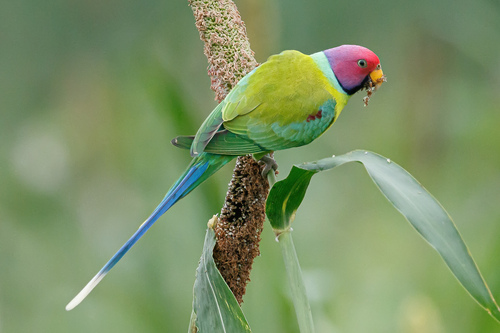
Close Relative (c) Hari K Patibanda, some rights reserved (CC BY) · cc-by
Help improve the field guideSomething wrong?
Checking your Fauna account…Report a name, category, or profile issue for review.