
Bird
Common Swift
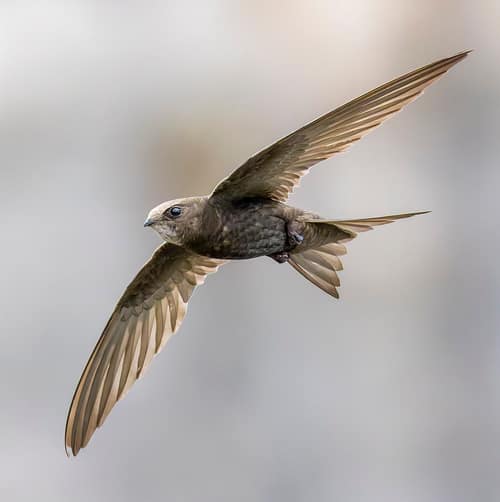
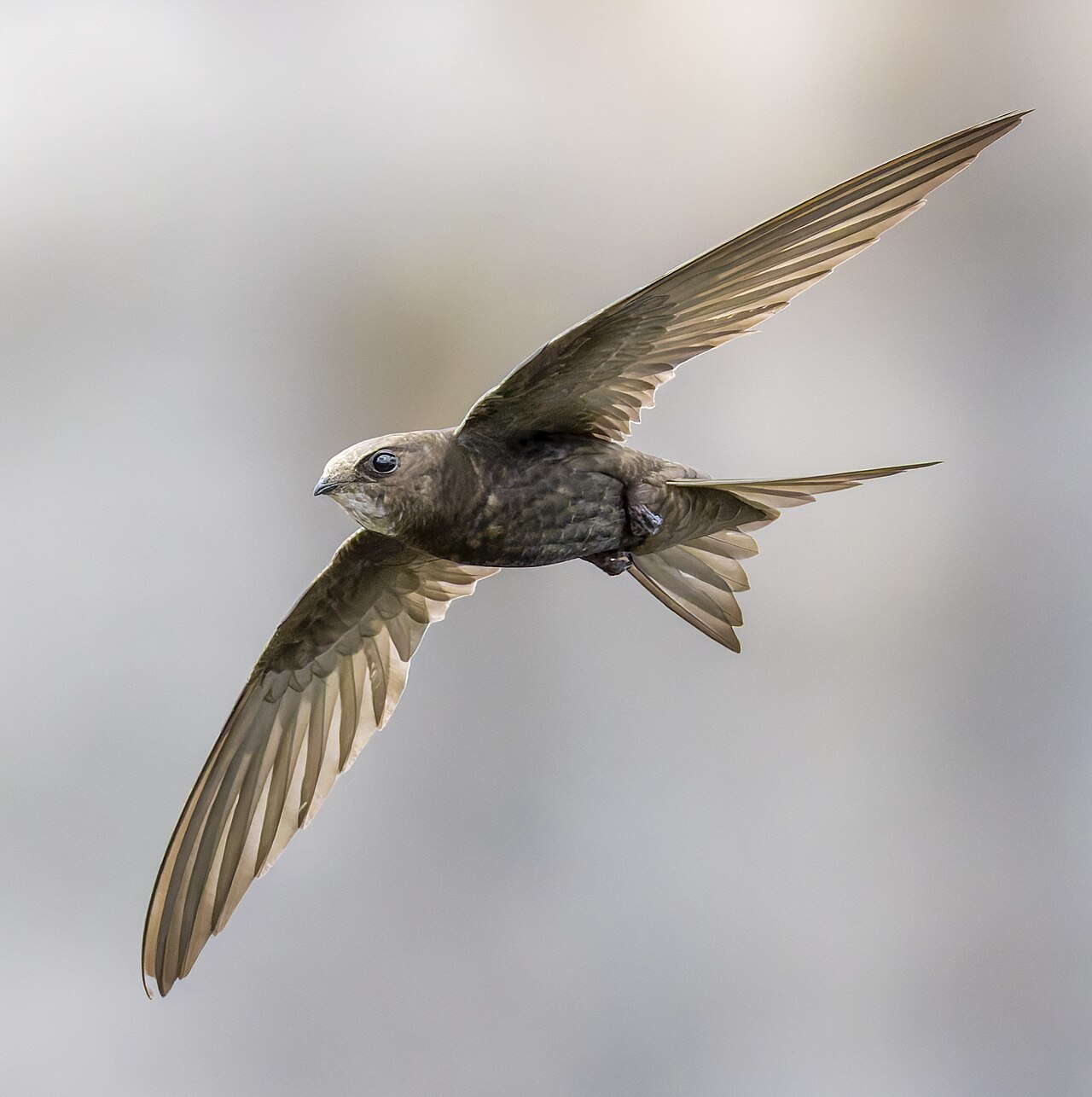
Apus apusCommon Swifts cut through open sky on long, sickle-shaped wings and catch tiny airborne prey without landing. Their piercing group calls often announce fast chases around cliffs and buildings used for nesting.
Aerial HunterSickle WingsLong-distance Migrant
—observations
—countries
—peak records
Least ConcernConservation statusIUCN Red List categoriesLCNTVUENCREWEXLeast ConcernRed List categories, explained →
Diet & preyFlies, Aphids, Small beetles
Predators
- Peregrine falcons
- Eurasian hobbies
- Owls
ThreatsLoss of nesting cavities, declining insect abundance, severe weather, and building renovation
HabitatsOpen skies above towns, cliffs, wetlands, grasslands, and woodland edges
Life spanOften 5 to 10 years, with some wild birds living beyond 20 years
Classification
- FamilyApodidae
- SpeciesApus apus
Range data is not available yet.
Interaction riskLow
- Low
- Moderate
- High
- Very high
- Why interaction risk is low
- Watch flight paths from a distance and leave occupied nest cavities undisturbed.
Responsible observation
- Flight: Look for rigid crescent wings and rapid glides without perching.
- Sound: Listen for shrill screaming parties around nest buildings.
Help improve the field guideSomething wrong?
Checking your Fauna account…Report a name, category, or profile issue for review.