South Island takahē are heavy, flightless rails that spend up to 18 hours a day stripping and chewing the starchy bases of alpine snow tussocks with their massive red bills. Monogamous pairs defend large territories year-round, sharing incubation duties and raising one or two chicks in hidden grass nests while older siblings often help feed the young. Thought extinct for nearly fifty years until their 1948 rediscovery in Fiordland's Murchison Mountains, they now survive through intensive predator control and translocation to predator-free islands and mainland sanctuaries.
ThreatsIntroduced predators (stoats, feral cats), habitat competition from red deer, severe winters, and small population size
HabitatsAlpine tussock grasslands, subalpine scrub, and predator-free island or lowland sanctuary grasslands in New Zealand
Life span14–20 years in the wild (up to 22 years in captivity.
Classification
FamilyRallidae
SpeciesPorphyrio hochstetteri
Range & activity
Range data is not available yet.
Safe observation
Interaction riskLow
Low
Moderate
High
Very high
Why interaction risk is low
Safe to observe from a respectful distance; never approach or feed these protected birds.
What to notice
Stocky, turkey-sized bird with deep indigo-blue head and breast, olive-green back, stout legs, and a massive bright red bill topped by a red frontal shield.
Support conservation
Observe quietly from at least 10 meters away, stay on designated paths, keep dogs out of protected areas, and never attempt to touch or feed the birds.
Responsible observation
Keep Your Distance: Stay at least 10 meters away and remain on marked tracks in sanctuaries.
Never Feed: Human food disrupts their specialized high-fiber tussock diet and encourages begging.
Watch Your Step: Move quietly near tussock clumps where pairs may be sheltering chicks.

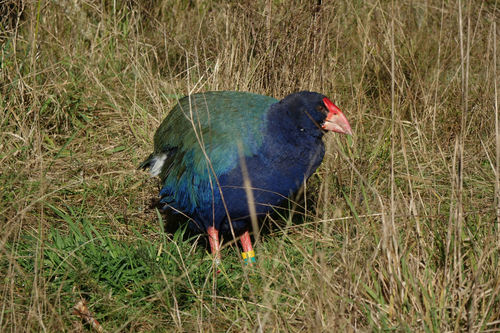
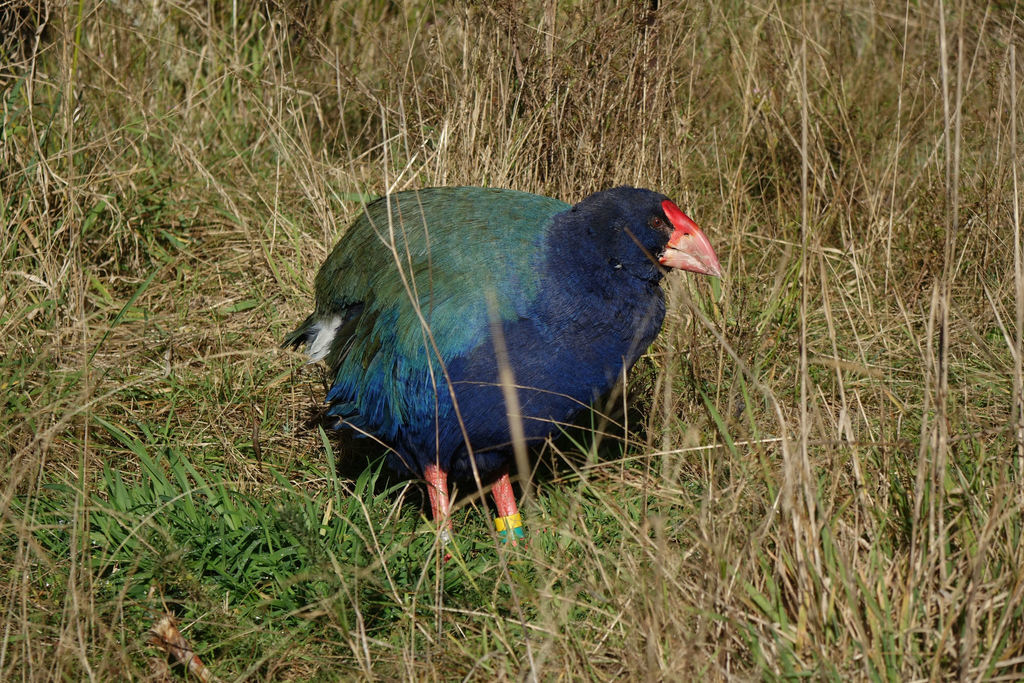
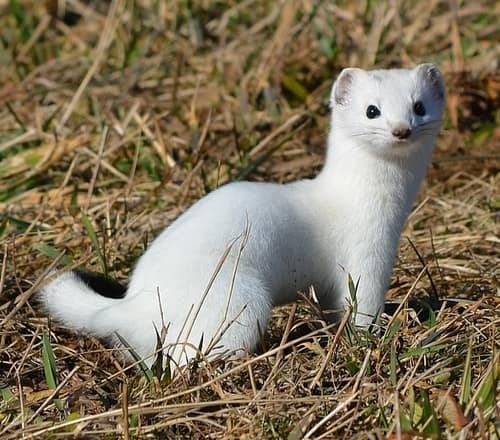
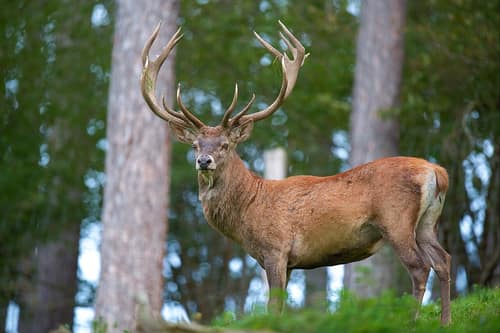
 Image unavailable