
Bird
Lord Howe Swamphen
Porphyrio albusAlso known as White Swamphen, White Gallinule, Lord Howe Gallinule
Lord Howe swamphens were large, heavy-billed rails that lived exclusively on the forest floors and coastal fringes of Lord Howe Island. Entirely or predominantly pure white with occasional blue feathers, these birds were largely flightless and famously fearless of visiting humans. Their extreme docility and lack of fear toward sailors and sealers led to intense hunting, driving them to extinction within a few decades of initial contact in 1788.
FlightlessIsland Endemic
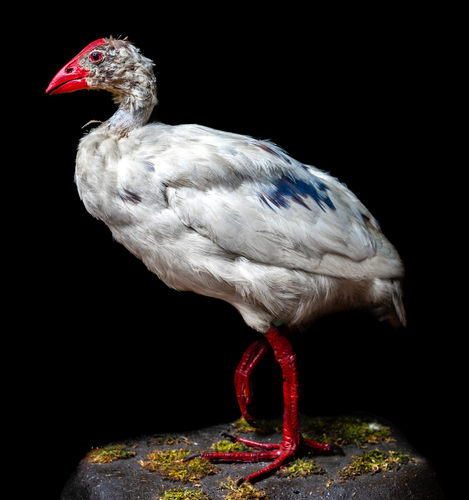
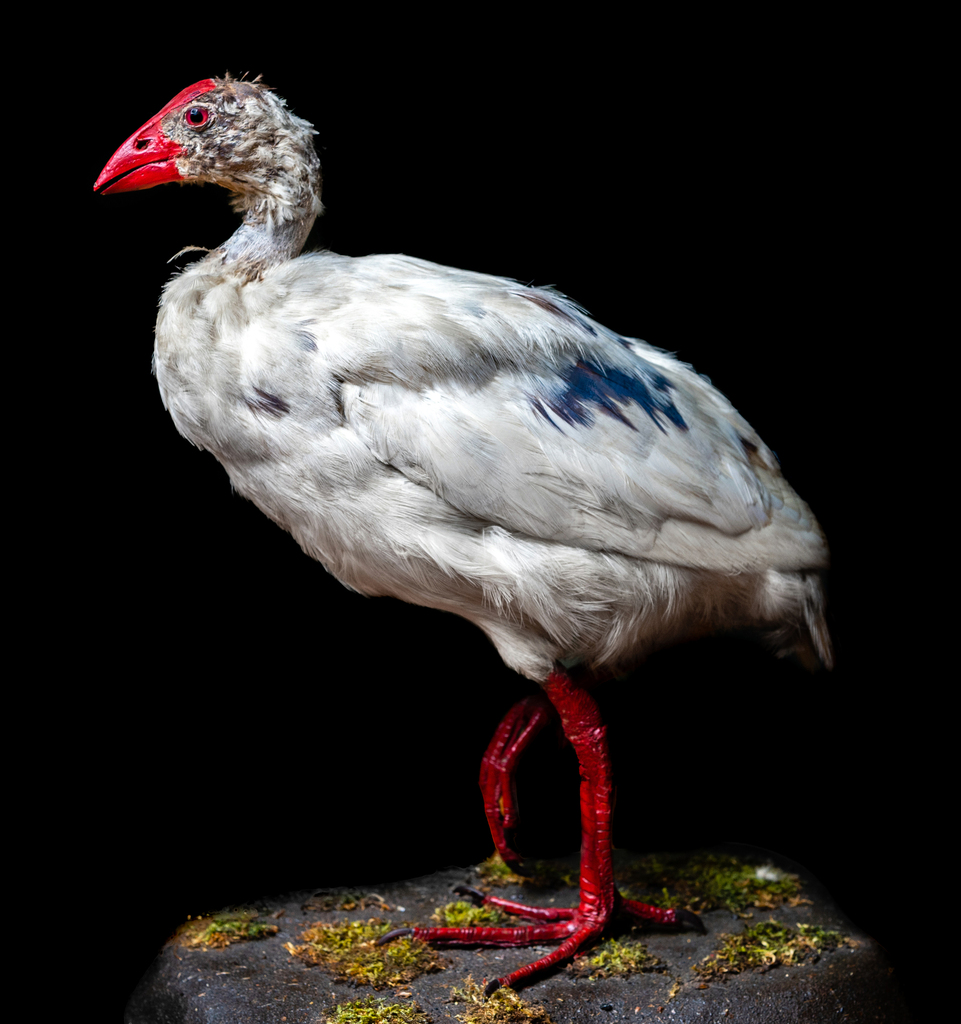
—observations
—countries
—peak records
ExtinctConservation statusIUCN Red List categoriesLCNTVUENCREWEXExtinctRed List categories, explained →
Diet & preyInsects and worms, Plant shoots and roots, Seabird eggs and chicks
Predators
- Human
- Feral dog
- Feral pig
ThreatsOverhunting by visiting sailors and predation by introduced pigs and dogs
HabitatsLowland palm forests and coastal wetlands
Life span8–15 years
Classification
- OrderGruiformes
- FamilyRallidae
- GenusPorphyrio
- SpeciesPorphyrio albus
Range data is not available yet.
Interaction riskLow
- Low
- Moderate
- High
- Very high
- Why interaction risk is low
- Extinct species; no living individuals exist to observe.
Responsible observation
- Museum specimens: View the only two known mounted skins in Vienna and Liverpool collections.
- Fossil study: Learn about the species through subfossil bones found on Lord Howe Island.
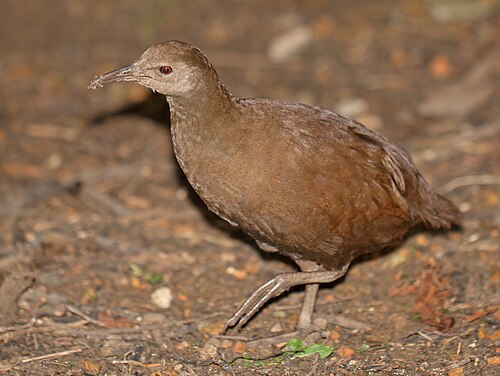
Island Neighbor Toby Hudson / CC BY-SA 3.0 au · cc-by-sa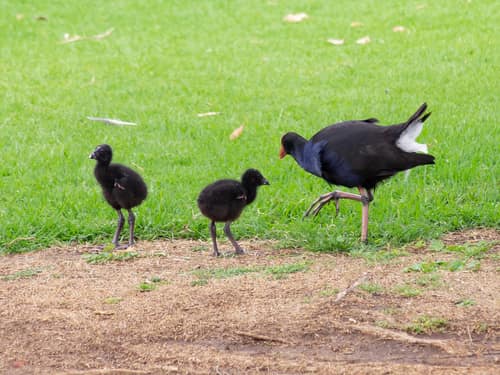
Close Relative (c) Terra Occ, some rights reserved (CC BY), uploaded by Terra Occ · cc-by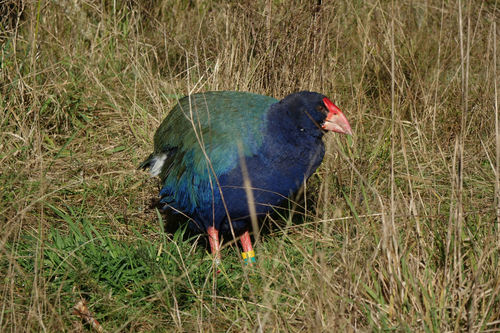
Close Relative (c) John Barkla, some rights reserved (CC BY), uploaded by John Barkla · cc-by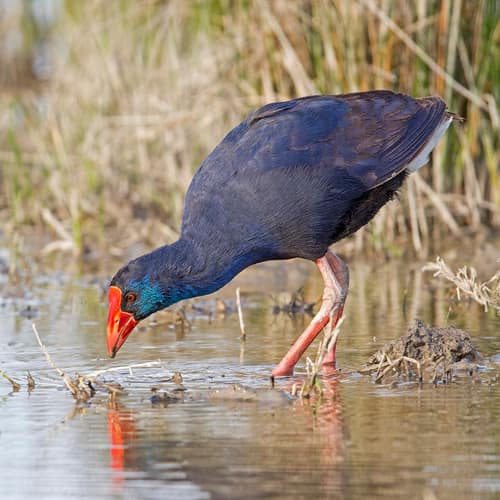
Close Relative Andreas Trepte / CC BY-SA 4.0 · cc-by-sa
Help improve the field guideSomething wrong?
Checking your Fauna account…Report a name, category, or profile issue for review.